

Commentary|Videos|December 31, 2025
Recognizing and Managing Skin Toxicities as Cancer Therapies Evolve
Expert highlights the critical need to manage skin toxicities in oncology, ensuring effective cancer treatments while addressing patient well-being and adherence.
Advertisement
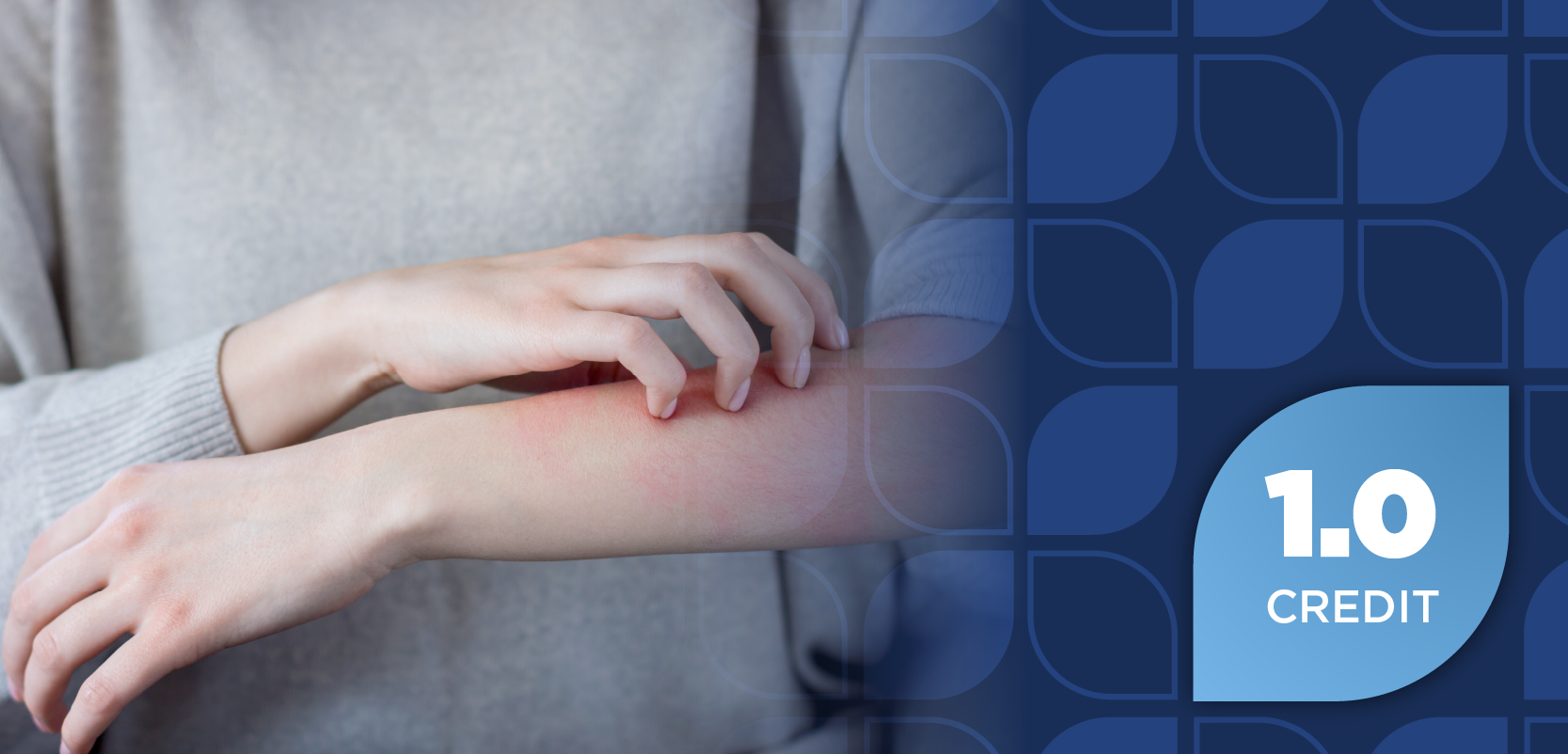
At the San Antonio Breast Cancer Symposium (SABCS) in San Antonio, Ian Tattersall, MD, PhD, emphasized the growing importance of recognizing and managing skin toxicities as cancer therapies continue to rapidly evolve. Tattersall noted that while novel treatments offer significant promise, they also introduce new and sometimes unexpected risks, with the skin representing one of the most commonly affected organ systems in oncology care. He highlighted increasing efforts by pharmaceutical companies to better characterize dermatologic toxicities earlier in development, allowing for more granular understanding beyond generalized “rash” reporting. Tattersall stressed that skin, hair, and nail toxicities can carry substantial physiologic, psychological, and social consequences for patients and may impact adherence to otherwise effective therapies. With greater awareness and early intervention, he noted that many skin-related adverse effects can be managed without compromising oncologic outcomes, reinforcing the importance of treating the whole patient rather than isolated symptoms.
Pharmacy Times: As newer agents like antibody-drug conjugates expand in use, skin toxicity profiles are evolving. How can pharmacists and clinicians stay ahead of these emerging patterns to better educate patients and intervene earlier?
Ian Tattersall, MD, PhD: I think it is the challenge of anything that is progressive and where new things are coming out all the time. Unfortunately, cancer therapy is an area of enormous innovation.
One of the central theses is that you have to stay open to this, and you have to be aware that any new treatment, anything that comes with new promise, also comes with new potential dangers and new potential areas where it may be impacting the body in ways that we don’t necessarily expect. A lot of pharmaceutical companies are doing more to better understand the skin toxicity of their agents in a preclinical or early clinical setting, and I think that should certainly be encouraged.
There was a time when all you would know about skin toxicity was that a drug caused a “rash” in X percent of patients. We’re starting to see more granular reports now of specific kinds of skin toxicity and what we should be looking out for. This is only increasing as we have people and subspecialties who are particularly interested in this and pursuing it.
Consciousness is the main thing—to be aware that the skin is an organ system. The skin is a very commonly affected organ system in cancer treatment, and whenever you are blazing a new trail in terms of therapeutics, you need to remember that there is always the capacity for skin toxicity.
Pharmacy Times: For patients, skin toxicities often carry a quality-of-life burden that goes beyond physical discomfort. How do you approach shared decision-making when balancing symptom management with the need to maintain therapeutic intensity?
Tattersall: This is a huge sticking point and an area that can understandably become very emotional. Skin, hair, and nail toxicity are often the most visible—and sometimes the only visible—signs that a patient is dealing with cancer. It’s a daily reminder of the struggles they’re going through and may rather forget. Not only can it be discouraging, but it can also be stigmatizing or cause difficulties with socializing, functioning in the workplace, or interacting with family.
My goal as a dermatologist is to ensure, to the degree we are able, that skin toxicity does not get in the way of ideal oncologic treatment. Of course, my goal is also to help the oncologist and the patient ensure that potentially beneficial therapies are not abandoned solely because of skin toxicity.
That’s not to say it never happens. It’s important to remember that the skin is important for physiologic, social, and psychological reasons, and all of these are part of the disease. This is not only psychological harm that doesn’t need to be addressed. We’re trying to treat a whole person, not just a collection of parts. Understanding and appreciating the significance of skin toxicity is paramount.
The bright side is that with increased recognition of its importance, there are many interventions that can help ameliorate skin toxicity. Rather than reducing the dose, sometimes we just need to treat the patient with something additional to manage that toxicity.
Advertisement
Related Content
Advertisement


















































































Advertisement
Advertisement
Trending on Pharmacy Times
1
Pharmacists as the Glue in Cardio-Kidney-Metabolic Care
2
Pharmacists Can Close the LDL Control Gap in Lipid Care
3
Extended-Interval Tarlatamab Dosing Offers Pharmacists More Flexible Administration Windows in SCLC
4
Cancer Among 9/11 Survivors Is Accelerating 25 Years Later
5