
Diabetes
Latest News
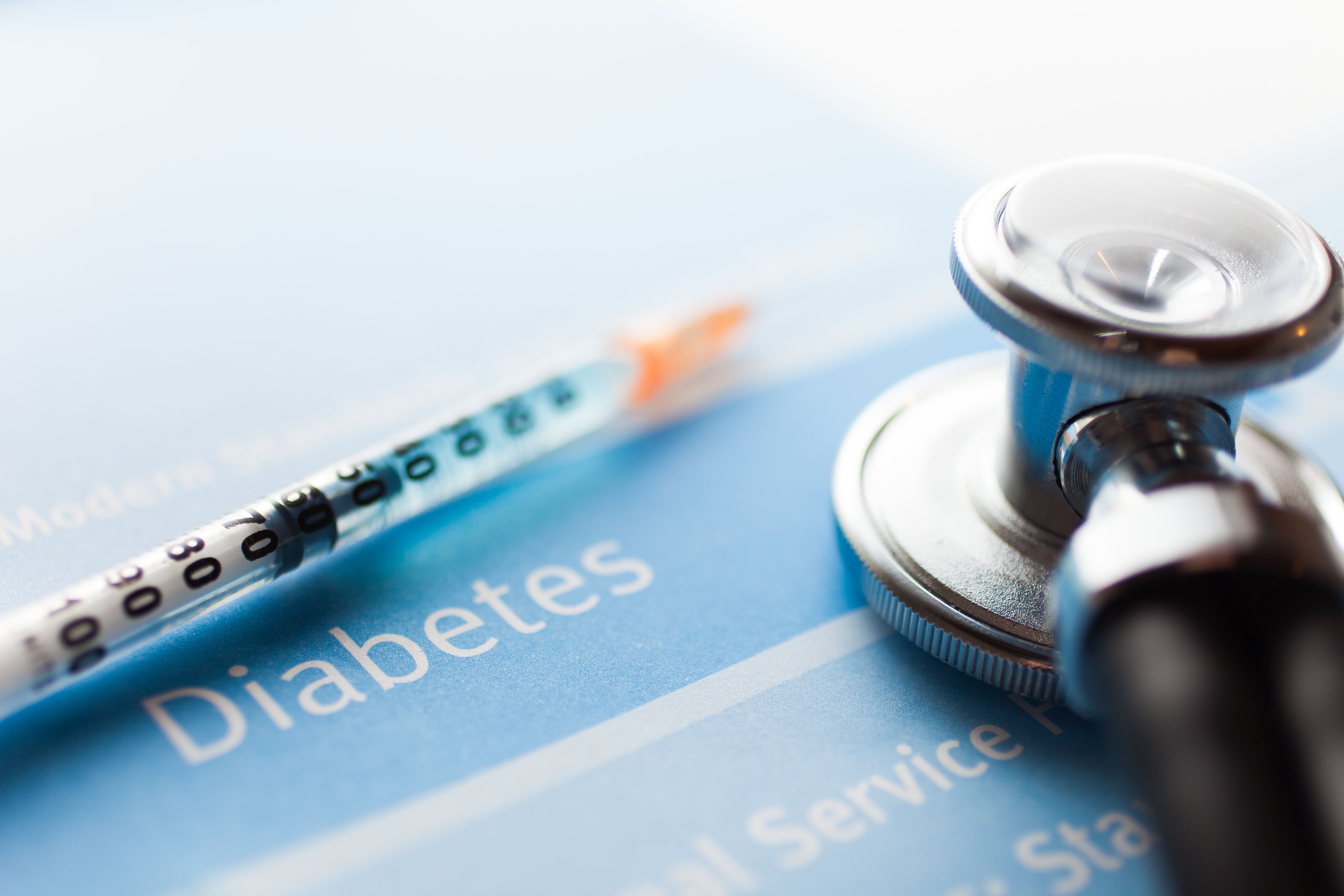

Continuous Glucose Monitors Offer Substantial Glucose Improvements in Patients with Poorly Controlled Diabetes
By Sarah Meade



Advertisement
Latest Videos


























































































Advertisement
More News

New research suggests that 200 g/day of milk can reduce the risk of type 2 diabetes by 10%.
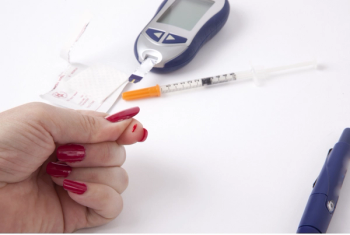
Care Coach program offers a comprehensive set of pharmacy and counseling services to patients struggling to manage their diabetes.
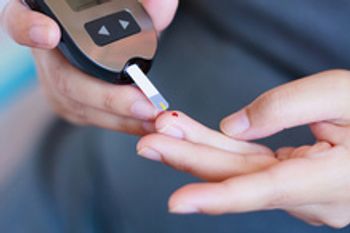
Researchers found that patients diagnosed with early-onset type 2 diabetes have a greater risk of premature death than the general population.

Research suggests that subcutaneous insulin aspart is a cost-effective and accessible treatment option that could allow children with type 1 diabetes to avoid the ICU after a mild episode of diabetic ketoacidosis.
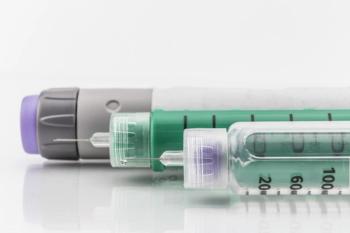
The long-acting, once-daily hormone controls high blood sugar in individuals aged 1 year or older with diabetes.
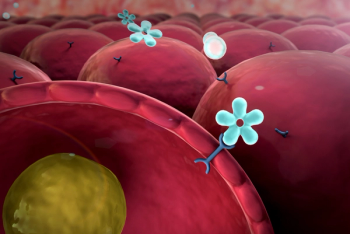
Research suggests that non-traditional complications from type 2 diabetes are hospitalizing more people now than they did 20 years ago.
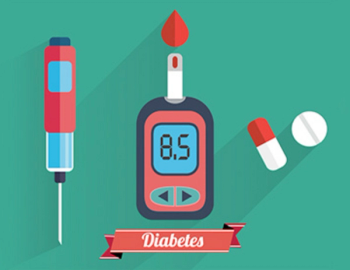
Dual GIP/GLP-1 agonist therapy demonstrated superior glucose control and weight loss in patients with diabetes compared to selective GLP-1 receptor agonists in preclinical and clinical trials.

Investigators report that they have seen nearly 100% of the hormone from their tablets going straight into the liver of rats.

A recent study suggests that infrequently taking non-steroidal anti-inflammatory drugs, especially ibuprofen, with type 2 diabetes can increase the risk of first-time heart failure and hospitalization.

Cognitive harm appears reversible, results of analysis by Nemours Children’s Health Jacksonville and Stanford University shows.
Hospitalization and interprofessional team management, particularly the involvement of a pharmacist, are essential in vaccination coverage for patients with diabetes.
Analysis from the Johns Hopkins Children’s Center and University of Colorado indicates that cancellation of sports and a switch to virtual learning likely increased this risk.
Current cases of undiagnosed diabetes may be more prevalent in certain minority groups, obese and older adults.

Catherine Oakar, special assistant to the President for Public Health and Disparities in the Domestic Policy Council at The White House, discusses plans to address diet-related diseases in a conference held at The White House in September 2022.

With proper knowledge, they can complete self-examinations and be adherent to clinical exams.
FDA Clears Omnipod 5 Automated Insulin Delivery System for Type 1 Diabetes Patients 2 Years of Age and Older
ByPT Staff
Omnipod 5 is an automated, tubeless insulin dispensing system that allows for continuous infusion and bolus dosing as needed.
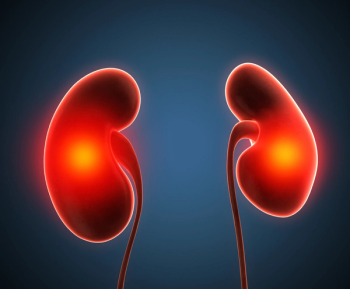
A new study warns that fluoroquinolone could increase the risk of altered mental status and hospitalizations for advanced chronic kidney disease patients, though it is rare.
Study finds link between higher insulin doses and the risk of developing cancer in patients with type 1 diabetes.
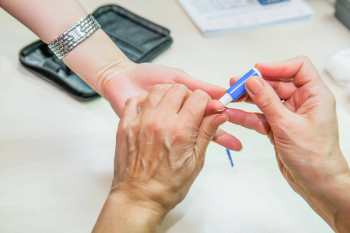
Meta-analysis of randomized controlled trials adds to growing evidence around certain antihypertensive drug classes showing promise for primary or secondary prevention of diabetes.
American Diabetes Association updates recommendations regarding SGLT-2 inhibitors, GLP-1 RA, and finerenone for cardiovascular and renal comorbidities.
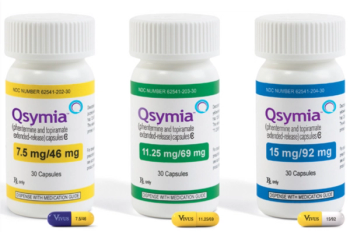
Phentermine and Topiramate ER (Qsymia) is indicated as an adjunct to a reduced-calorie diet and increased physical activity for chronic weight management.
Patients with diabetes on Medicare Advantage were also less likely to be prescribed newer, more expensive medicine than patients on Medicare Fee-For-Service plans, indicating potential disparities in care.
The FDA approved tirzepatide for the treatment of type 2 diabetes on May 13, 2022
The objective of this study is to evaluate the use of low-dose pioglitazone, without relying on high doses of insulin, by enhancing sensitivity as a suitable, cost-effective strategy compared to larger insulin doses in patients with limited access to care.
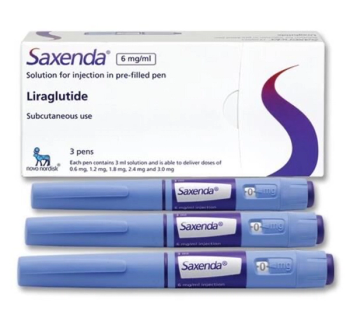
Liraglutide (Saxenda) is a glucagon-like peptide-1 (GLP-1) receptor agonist indicated as an adjunct to a reduced-calorie diet and increased physical activity for chronic weight management in adult patients with type 2 diabetes.
Advertisement
Advertisement
Trending on Pharmacy Times
1
Adult Pneumococcal Immunizations: A Practical Guide for Pharmacists
2
How Pharmacists Overcome PCSK9 Inhibitor Access Barriers
3
From Reactive to Proactive: AI's Role in Modern Pharmacy Safety
4
Trial Ended Early When Venetoclax Plus DA-EPOCH-R Did Not Improve Outcomes in Double-Hit Lymphoma
5