































































































Sonia Oskouei, PharmD, vice president of biosimilars at Cardinal Health, on the results of Cardinal Health’s assessment of the current biosimilars market published in the 2022 Biosimilars Report.
Sonia Oskouei, PharmD, vice president of biosimilars at Cardinal Health, on the results of Cardinal Health’s assessment of the current biosimilars market published in the 2022 Biosimilars Report.

Here are 8 diabetes areas where pharmacists should be more aware of error.
It is imperative for health care professionals, especially pharmacists, to be well-informed regarding the physiological impact of Ramadan on diabetes.

With the FDA approval and launch of the first interchangeable biosimilar in the United States in 2021, retail pharmacists are poised to play an increasing role in the future uptake of biosimilars.

Pharmacy Quality Alliance's new benchmark evaluates adherence to medications for diabetes, high cholesterol, and hypertension.

In a clinical trial, 86.4% of patients on semaglutide achieved a 5% weight loss at week 68 compared to 31.5% with placebo.

On average, patients visit their community pharmacist 12 times more often than they do their primary care provider

How would you handle these patients' questions?

Semaglutide (Ozempic; Novo Nordisk) approved as a once-weekly subcutaneous injection for the treatment of adults with type 2 diabetes.
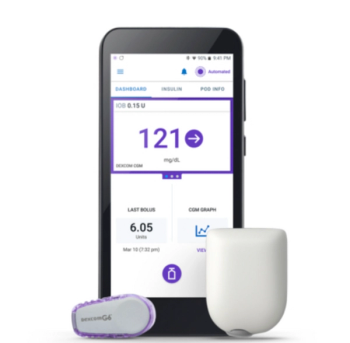
Omnipod 5 allows patients with diabetes to receive 72 hours of continuous, automated insulin administration.

Factors such as economic stability and education access can be categorized into social determinants of health.
Pharmacy Times spoke to Susan Cornell, BS, PharmD, CDCES, FAPhA, FADCES, about her session she presented at the APhA 2022 Annual Meeting and Exposition, titled "Know the Facts: Annual Diabetes Update."
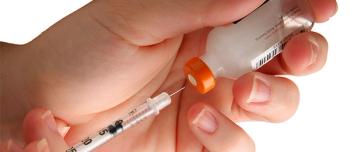
Andrew Bzowyckyi, PharmD, BCPS, CDCES, associate professor at Pacific University Oregon and clinic pharmacist at Legacy Medical Group discusses the differences in GLP-1 receptor agonists and insulin for the management of diabetes.
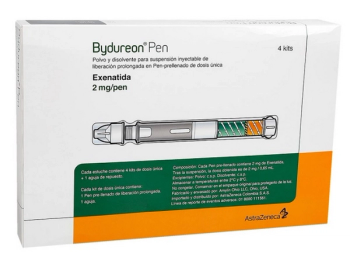
Exenatide (Bydureon) is a GLP-1 receptor agonist indicated to improve glycemic control in adults with type 2 diabetes mellitus in multiple clinical settings.

Insurers, accountable care organizations, and manufacturers increasingly look for demonstrable clinical outcomes as proof for reimbursement or access to limited distribution networks.
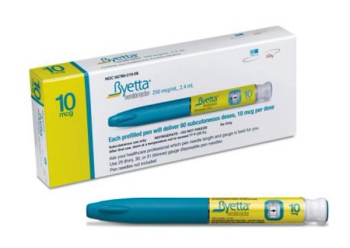
Exenatide (Byetta) is a GLP-1 receptor agonist indicated as an adjunct to diet and exercise to improve glycemic control in adults with type 2 diabetes mellitus
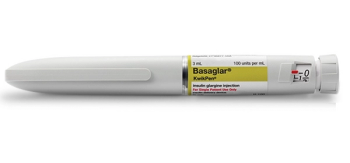
Basaglar is indicated to improve glycemic control in adults and children with type 1 diabetes and adults with type 2 diabetes.

Important evidence about the health effects of e-cigarettes can help shape public health best practices in the United States, the findings of an analysis suggest.
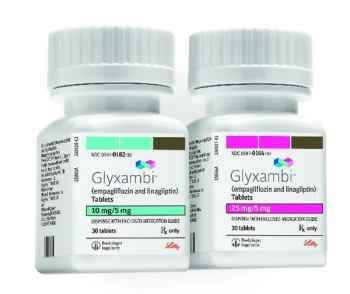
Empagliflozin and linagliptin (Glyxambi) is indicated as an adjunct to diet and exercise to improve glycemic control in adults with type 2 diabetes mellitus.
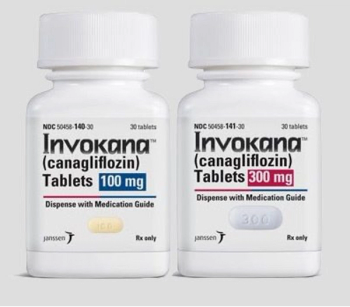
Canagliflozin (Invokana) is indicated to improve glycemic control in adults with type 2 diabetes mellitus.
Alec Smith Insulin Affordability Act provides citizens with a long-term solution to diabetes expenditures.

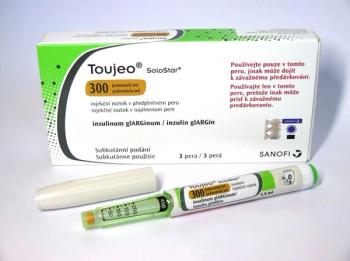
Toujeo is used to improve glycemic control in adults with diabetes mellitus.
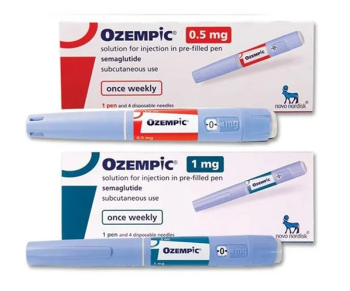
Ozempic is indicated as an adjunct to diet and exercise to improve glycemic control in adults with type 2 diabetes mellitus.
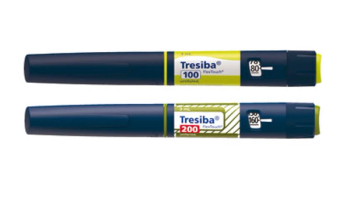
Tresiba is indicated to improve glycemic control in patients with diabetes.