
Diabetes
Latest News




Advertisement
Latest Videos






















































































Advertisement
More News
The knowledge of clinical pharmacists can help protect kidney function and prevent the development of acute kidney injury in ICU patients.

The CBD gummy market is being fueled by the desire for alternative, natural treatment options.
B12 deficiency is often due to a lack of consumption of vitamin B12 rich foods or malabsorption.
Mandy Reece, PharmD, CDCES, BC-ADM, BCACP, FADCES, vice chair and associate professor in the department of pharmacy practice at Philadelphia College of Osteopathic Medicine, discusses diabetes care, change in treatment, and management.

Intensive health behavior and lifestyle treatment is the most effective behavioral treatment for childhood obesity.

A community-based multidisciplinary team can have a significant impact addressing health disparities and diabetes management.

Spinal cord stimulation has been used for 50 years to effectively manage chronic pain without opioids.

Case studies address questions about a patient with type 2 diabetes and a patient who is curious about nicotine replacement therapy.
Cases address questions about glycated hemoglobin A1C and hypoglycemia management.
Findings suggest cancer may have overtaken cardiovascular disease as a leading cause of death in individuals with type 2 diabetes.
In a phase 3 trial, empagliflozin significantly reduced the risk of kidney disease progression or cardiovascular death in adults with chronic kidney disease by 28% compared with placebo.

Community pharmacies are an untapped resource in rural areas but need to market their services to effect changes in public health.
High cost-sharing is a large barrier to insulin access, as are aspects of the Inflation Reduction Act of 2022.
The oral SGLT2 inhibitor has been shown to reduce blood sugar and improve glycemic control as an adjunct to diet and exercise.

The popularity of intermittent fasting, or time-restricted eating patterns, may not help control weight as well as other dieting methods.
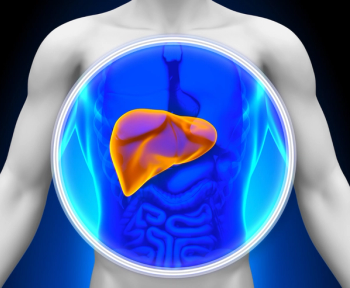
Individuals with higher caffeine levels were less likely to have liver fibrosis, while higher levels of non-caffeine coffee components were associated with reduced fatty liver index scores.
An app using AI to evaluate blood sugar data, concerning trends, and recommend management tools will be a part of a clinical trial in 2024 for further assessment.
It is too early to know how patients could potentially change their microbiome to reduce their diabetes risk.
Label update removes a previous limitation that stated the medication should not be used as initial therapy for treating patients with type 2 diabetes.
Analysis focuses on why some individuals with a genetic predisposition develop AMD, while others are spared.
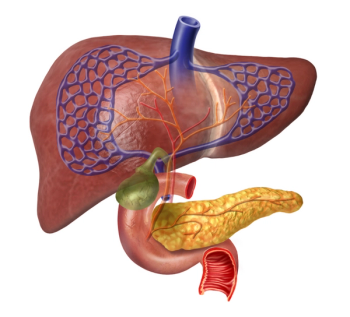
Risk is highest for those who are obese or who have diabetes, investigator from Keck Medicine and the University of Southern California indicate.
Analysis demonstrates that the tablets can significantly reduce the animals’ blood glucose levels for more than 5 hours.

The new CDC-approved app launched January 1, 2023.
A study showed that the risk of developing venous thromboembolism is worse for perimenopausal women with diabetes.
TD2 remission is defined as a hemoglobin A1C level of less than 6.5% at least 1 year after stopping medication, investigators say.
Advertisement
Advertisement
Trending on Pharmacy Times
1
Adult Pneumococcal Immunizations: A Practical Guide for Pharmacists
2
How Pharmacists Overcome PCSK9 Inhibitor Access Barriers
3
From Reactive to Proactive: AI's Role in Modern Pharmacy Safety
4
Trial Ended Early When Venetoclax Plus DA-EPOCH-R Did Not Improve Outcomes in Double-Hit Lymphoma
5