

The impact on biosimilar utilization in clinical practice caused by secondary patents of biologics and skinny labels of biosimilars is discussed.

The impact on biosimilar utilization in clinical practice caused by secondary patents of biologics and skinny labels of biosimilars is discussed.
Tim Peterson, PharmD, BCOP, leads the discussion on immunogenicity testing and lot-to-lot variability, including the potential impact on the safety and efficacy of reference biologics and their biosimilars.
A discussion on what it means for a biosimilar to have “interchangeability” status and its potential impact on biosimilar adoption in clinical practice.
Ryan Haumschild, PharmD, MS, MBA, defines biosimilars in oncology and what distinguishes them from a reference biologic.
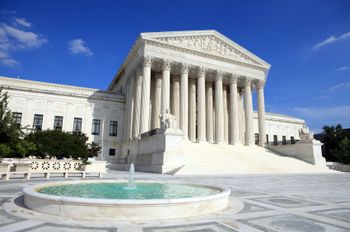
Pharmacy Times® interviewed Chad Landmon, JD, of Axinn, Veltrop & Harkrider, on the arguments presented to the Supreme Court on whether a legislative change to the Affordable Care Act makes the law unconstitutional.

Institutions are replacing innovator biologics with their biosimilars, often to take advantage of the financial benefits.

Study findings align with recent recommendations from the National Comprehensive Cancer Network for preventing febrile neutropenia in patients with early-stage breast cancer.
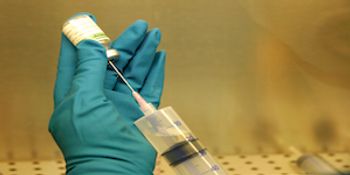
Cancer care providers have increasingly been using biosimilars on a case-by-case basis with patients.

Cancer medications contribute substantially to the cost of health care in the United States, with 8 of the 10 most expensive drugs indicated for the treatment of cancer
Mylan plans to launch adalimumab-fkjp in the United States in July 2023.

FDA officials based their approval on the review of data and evidence that demonstrated a close similarity between pegfilgrastim-apgf and its reference product.
The FDA does not usually require animalstudies for biosimilars; therefore, the process can move directly to pharmacokinetic and pharmacodynamic studies.
A session on the use of biosimilars, a topic that many pharmacists identify to be of growing importance in their practices, concluded the 2019 Directions in Oncology Pharmacy conference.

Pfizer will become the first to launch 3 oncology monoclonal antibody biosimilar treatments to the US market.
Biosimilars, which at the most simplistic level can be thought of as a type of generic option for a biologic, offer an opportunity to help reduce total biologic drug spend.

Trastuzumab-dkst (Ogivri, Mylan, Biocon), a biosimilar to trastuzumab (Herceptin, Genentech Inc.), has been launched in the US, according to an announcement from Mylan N.V. and Biocon Ltd. It is the first biosimilar approved by the FDA and recommended by the FDA Oncologic Drugs Advisory Committee.

Officials with the FDA have approved adalimumab-afzb (Abrilada, Pfizer), a biosimilar to Humira, for the treatment of certain patients with rheumatoid arthritis, juvenile idiopathic arthritis, psoriatic arthritis, ankylosing spondylitis, adult Crohn disease, ulcerative colitis, and plaque psoriasis.

Top news of the day from across the health care landscape
Ron Lanton III, Esq., discusses the specialty pharmacist's role in educating patients about biosimilars and biologics.
Ron Lanton III, Esq., discusses challenges in launching biosimilars after they've been approved.

The first oncology therapeutic biosimilars are now available in the United States.

Amgen’s ABP 501 (Amjevita) shows similar efficacy to the reference adalimumab (Humira) in treating rheumatoid arthritis and supported approval of the biosimilar by the FDA.

Lawsuit alleges that patients paid artificially high prices for brand-name Humira, and that they were deprived of the benefits of early, robust competition from biosimilars as a result of wrongful conduct.

Rituximab is approved by the FDA for the treatment of adults with rheumatoid arthritis, non-Hodgkin's lymphoma, chronic lymphocytic leukemia, pemphigus vulgaris, granulomatosis with polyangiitis and microscopic polyangiitis.

Biosimilars present a cost-saving opportunity for the health care system, but significant challenges inhibit uptake in the US market.