

RSV vaccine acceptance among older adults is significantly influenced by perceived benefits.
RSV vaccine acceptance among older adults is significantly influenced by perceived benefits.

The FDA is issuing new changes to labels on testosterone products, clarifying that there are no increases in major cardiac events among men with hypogonadism but noting an increase in blood pressure with the use of such products.

The t:slim X2 insulin pump and Tandem Mobi system both use Control-IQ.

The action follows pooled data from 2 studies that enrolled patients with hemophagocytic lymphohistiocytosis (HLH)/macrophage activation syndrome (MAS) in Still disease.

Notable advancements include machine learning and predictive analytics, among others.

The new approval expands the portfolio of denosumab biosimilars, increasing access and improving costs for patients.

ADI-101 targets CD20 for the treatment of autoimmune diseases and is advancing across 6 autoimmune indications.

Learning to strengthen and harness these skills is crucial to making the successful career transition from retail to a hospital pharmacy.

LAIs offer a variety of benefits, from improved medication adherence and relapse prevention to enhanced quality of life for individuals with schizophrenia.

The decisions were made amid the United States worst flu outbreak in over 2 decades.

The feature is expected to be available to US users in late March 2025.

The data were released in the CDC’s Morbidity and Mortality Weekly Report.

Tuberculosis is a long-standing global health issue that requires continued public health vigilance to prevent a resurgence of this preventable and curable disease.

RSV infection resulted in higher costs among specific age groups, especially patients aged 70 to 80 years.

The updated indication now includes pediatric patients aged 5 through 11 years.

Patients with metabolic dysfunction-associated steatohepatitis (MASH) receiving 300 mg of vitamin E daily presented improved steatosis, lobular inflammation, and fibrosis stages.
In this episode, Jill Simonian and Codi Peterson explore the evolving role of pharmacists in medical cannabis, addressing legal complexities, patient counseling, and key considerations for safe and effective use.

Health care professionals and patients must recognize that rapid administration of adrenaline is the only first-line treatment for anaphylaxis.

If approved, gepotidacin (GSK) will be a new oral agent added to the treatment paradigm for urinary tract infections (UTIs).


Pharmacists play a crucial role in understanding and responding to these developments, ensuring patients remain informed about the latest advancements and potential threats.

At week 8, significantly more children, adolescents, and adults who applied 1.5% ruxolitinib cream versus vehicle achieved IGA treatment success.

Pharmacies could still experience localized availability issues for semaglutide despite its removal from the drug shortage list.

SPI-1005, a novel anti-inflammatory compound, achieved coprimary end points for efficacy, including improvements in hearing loss and speech discrimination.

Officials urge vaccinations as mobile vaccine drives ramp up to contain the outbreak.

Compared with other indicators of cardiovascular risk, the ratio of non-high-density lipoprotein cholesterol (HDL-C) to normal HDL-C had a stronger association with the risk of hypertension and heart disease.

Pharmacists must consider drug Interactions, allergies, and comorbidities when treating patients with urinary tract infections (UTIs).

When educating patients, emphasize the importance of buying drugs from only licensed pharmacies.

The newly-approved intrauterine device (IUD) prevents pregnancy in people of reproductive potential for up to 3 years.
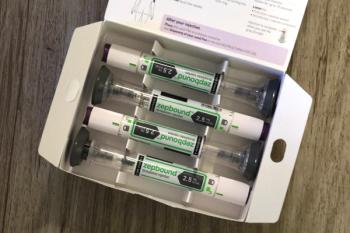
New options for tirzepatide provide a transparent, out-of-pocket choice for patients by streamlining the supply chain and bypassing insurance.