Telepharmacy is another growing area that enables pharmacies to extend their reach, particularly in rural or underserved regions. Remote consultations, prescription services, and medication management can be offered to patients who might otherwise face significant barriers.2,3 Telepharmacy also supports patients with limited mobility or transportation options, ensuring continuity of care and regular check-ins that help manage chronic conditions effectively. These telehealth options allow pharmacists to serve a wider range of patients and offer personalized care.
CHRONIC DISEASE MANAGEMENT AND PREVENTIVE CARE
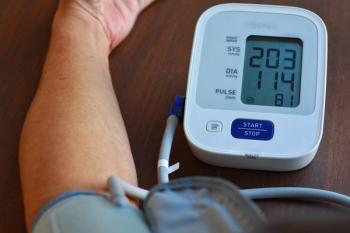
In the evolving pharmacy model, a significant area of focus is chronic disease management. Due to an increasing number of patients managing conditions such as hypertension, diabetes, and cardiovascular disease, the role of pharmacists has expanded to include blood pressure monitoring, blood glucose testing, and smoking cessation programs.1 Pharmacists have extensive clinical knowledge and training and can offer these services and help patients manage their conditions effectively.
Additionally, pharmacies are integrating preventive care services such as health screenings and lifestyle counseling into their operations. By providing support for lifestyle changes and early intervention, pharmacies can help patients prevent or manage conditions before they escalate. These services align with public health initiatives and reduce the burden on other health care facilities. Ultimately, this establishes pharmacies as full-service health and wellness centers in their communities.
CHALLENGES TO EXPANDING PHARMACY SERVICES
The expansion of pharmacy services offers many benefits, but it also brings challenges. Regulatory restrictions and state-specific laws sometimes limit the scope of practice for pharmacists, preventing them from delivering the full range of services in every state. To overcome these regulatory barriers, the pharmacy industry must advocate for policy changes at the state and federal levels, collaborating with professional organizations to support legislation that expands pharmacists’ roles.
Reimbursement for clinical services also remains a significant challenge. Currently, pharmacies struggle to secure compensation for services such as MTM and chronic disease management, as insurers do not universally recognize these as reimbursable services. Addressing this issue requires demonstrating the value of these services in improving patient outcomes and reducing health care costs. Partnering with insurers and health systems to showcase the effectiveness of pharmacy-provided services can lead to more comprehensive coverage and ensure that pharmacies are fairly compensated for their contributions to patient care.
Managing staff and optimizing workflows are additional operational challenges that must be addressed. Expanding services means that pharmacy staff must be trained in new roles and responsibilities, which requires investment in ongoing education and clinical training. Pharmacies must also invest in technology such as electronic health records (EHRs) and telehealth platforms to facilitate the integration of expanded services and ensure seamless communication with other health care providers. These technological investments are essential to creating a cohesive and efficient workflow.
THE FUTURE: WELLNESS HUBS AND COMMUNITY HEALTH PARTNERS
As pharmacies evolve, they are likely to become integrated wellness centers that offer a wide range of health services. Beyond immunizations and chronic disease management, future pharmacy services may include weight loss programs, mental health support, and counseling for conditions such as anxiety and depression.3 For instance, pharmacists could offer MTM for psychiatric medications, ensuring safe and effective treatment regimens for patients with mental health conditions.
Advances in technology such as telehealth, EHRs, and remote monitoring systems will further support the transformation of pharmacy. Telehealth platforms can facilitate virtual consultations and follow-up appointments, providing patients with flexible options for managing their health. Additionally, wearable devices and other remote monitoring tools allow pharmacists to track patients’ health metrics in real time, which is crucial for managing chronic diseases. These tools help pharmacists deliver proactive care that supports both physical and mental health, promoting a more holistic approach to health care.
The evolving role of pharmacies from medication dispensers to providers of comprehensive, patient-centered care marks a significant shift in health care. By advocating for expanded rights and reimbursement, pharmacies can improve access to health care and provide preventive care in the community. As health care needs and patient expectations evolve, pharmacies are essential in delivering accessible, comprehensive, and high-quality care.
REFERENCES
2. Poudel A, Nissen LM. Telepharmacy: a pharmacist’s perspective on the clinical benefits and challenges. Integr Pharm Res Pract. 2016;5:75-82. doi:10.2147/IPRP.S101685
3. Ponushis A, Gandhi N. The future of community pharmacy: direct patient care. American Association of Colleges of Pharmacy. Accessed November 21, 2024. https://www.aacp.org/article/future-community-pharmacy-direct-patient-care