
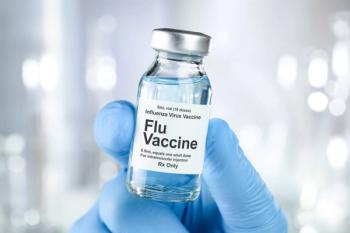
The only major change is in the included strain of influenza A/H2N2 virus, which has been updated for both the egg-based and the cell- and recombinant-based vaccines.
The only major change is in the included strain of influenza A/H2N2 virus, which has been updated for both the egg-based and the cell- and recombinant-based vaccines.

The Auto-Pure 2400 system combines liquid handling and magnetic cell isolation for efficient latent tuberculosis testing.

Reducing stigma, improving mental health benefits, and addressing workload concerns all need to happen simultaneously.

Current recommended levels of vitamin B12 might not be sufficient to protect against neurological decline.

John Ostrominski, MD shares insights into the safety and efficacy of finerenone, based on data from the FINEARTS-HF trial.

The CDC reports 483 total cases across 20 states as of March 28, 2025.

M3P will be a financial lifeline for seniors while lowering certain pharmacy costs, but more education and tools are needed to make it successful with pharmacies and their customers.

The Protecting Pharmacies in Medicaid Act aims to tackle spread pricing, but other legislation could target different issues.

Expert shares insights on leadership resilience, emphasizing self-awareness, team development, and maintaining personal worth beyond professional achievements.

Pharmacists play a key role in COVID-19 management by educating patients on treatment, monitoring drug interactions, promoting vaccination, and addressing hesitancy.

A phase 1/2 clinical trial will provide crucial data on the vaccine's tolerability and pave the way for future development and potential widespread use.

The risk of developing HZ in this population is 10 to 30 times higher than in the general population.

Experts discuss Project Lifeline’s integration of SBIRT in community pharmacies, highlighting its effectiveness in identifying and addressing opioid use disorder while exploring strategies for broader implementation.

Marc Humbert, MD, PhD, shared data that were presented at the ACC 2025 Scientific Sessions.

John Buse, MD, PhD discusses the expanding role of GLP-1 receptor agonists in treatment of cardiovascular conditions.
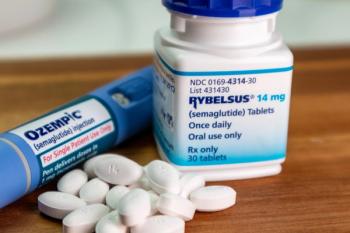
The trial is the first to test the cardiovascular benefits of an oral glucagon-like peptide-1 (GLP-1) agonist.
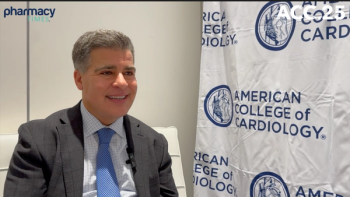
Christian Ruff, MD, highlights abelacimab’s potential to significantly reduce bleeding in patients with high-risk atrial fibrillation.

The STRIDE trial was first of its kind to evaluate the use of a GLP-1 agonist in PAD management.

Marc Bonaca, MD, PHH, FACC discussed semaglutide’s potential benefits for non-diabetic patients with peripheral artery disease.

The expanded discount program offers semaglutide for $499 per month for all eligible cash-paying customers.
Kaite Krell, MPH, discusses the critical role of independent pharmacies and how proposed legislation could address challenges with PBMs.

Results support a 2020 meta-analysis showing that older adults with chronic pain are nearly twice as likely to develop frailty compared to those without chronic pain.

These results align with those from shorter-term analyses of low-density lipoprotein cholesterol (LDL-C) reductions with evolocumab and cognitive impairment risk.

Greg Clyde, PharmD, shares his love of pharmacy with patients in oklahoma.

How PBMs Are Reshaping Access, Affordability, and Outcomes in Modern Health Care

Expert emphasized the importance of mentoring pharmacy students, supporting diverse career paths, and advocating for the profession.

Expert explores the critical importance of emotional intelligence, work-life balance, and strategic leadership in pharmacy.

All stakeholders across the drug supply chain must work together to develop and support proactive strategies, creating resilience across the health care ecosystem to avoid and mitigate shortages.
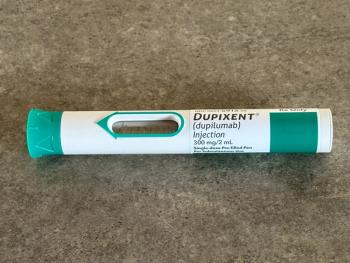
At 12 and 24 months, there were 56.9% and 73.5% reductions in food-specific immunoglobulin E (IgE).

Optimal glycemic control and medication delivery rely upon proper tools and techniques.