Pharmacy Times will feature experts on kidney function assessment, IgG4-related disease, emerging CKD therapies, and gaps in cardiorenal care.
RSV poses a significant threat to high-risk adults, but effective vaccines offer strong protection, highlighting the need for increased vaccination rates and education.
Supportive care is often the only option for individuals infected with severe respiratory syncytial virus (RSV), emphasizing the large focus on prevention among high-risk adults. Pharmacists and health care providers play a crucial role in educating high-risk patients on signs and symptoms of RSV to ensure they receive proper care if infected.1
High-risk features that are more susceptible to severe RSV include asthma, chronic obstructive pulmonary disease, congestive heart failure, and older age. Previous research has demonstrated that an estimated 159,000 RSV hospitalizations occur each year in the US among adults aged 65 years and older.2 Additionally, prior studies have suggested that 82% to 90% of hospitalizations observed within 28 to 30 days of RSV diagnosis in adults were linked to acute respiratory infections—a leading cause of severe outcomes among high-risk individuals.3
According to data published in The Lancet, older adults that are hospitalized with RSV are 2 to 3 times more likely to need supplemental oxygen and are 1.5 times more likely to be admitted to an intensive care unit (ICU) compared with individuals hospitalized for other respiratory infections. This population also faces an increased risk of mechanical ventilation or death.3,4
“When high-risk people do become infected, no medical treatments are a home run to help them recover,” Albert Shaw, MD, PhD, of Yale School of Medicine in New Haven, Connecticut, said in an interview with MedPage Today.1
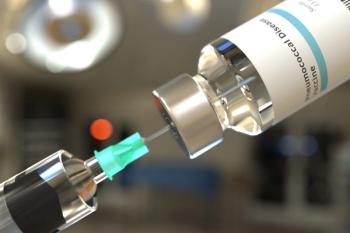
The CDC currently recommends a single dose of any of the FDA-approved RSV vaccines—RSVPreF3 (Arexvy; GSK), RSVpreF (Abrysvo; Pfizer), and mRNA-1345 (mRESVIA; Moderna)—for all adults 75 years and older, along with individuals aged 60 to 74 years who are at increased risk of severe illness.1,3
Staying up to date on RSV vaccinations are essential preventive care measures that could reduce severe outcomes caused by RSV among high-risk individuals.
Treatment with
Although the US Advisory Committee on Immunization Practices (ACIP) recently released
“Physicians should explain to high-risk patients that if they become infected, they need to be mindful and careful about how they are feeling and keep their doctor up to date,” Angela Branche, MD, of the University of Rochester Medical Center in New York, said in an interview with MedPage Today.1
As the first point of care for many patients, pharmacists can ensure high-risk individuals are aware of preventive and supportive care that can aid severe RSV outcomes. A proactive approach emphasizing vaccination, coupled with monitoring and timely communication between patients and health care providers, is crucial to mitigate the impact of RSV in vulnerable populations.