Key Takeaways
- Raise liver health before a diagnosis. Fat often builds up in the liver in people with obesity without causing symptoms, so pharmacists can bring up liver health in routine obesity and metabolic care conversations rather than waiting for a MASLD or MASH diagnosis.
- Point patients toward FIB-4 assessment. Pharmacists can encourage patients with obesity, especially those with type 2 diabetes or other metabolic risk factors, to ask their clinician about liver risk. A FIB-4 score from routine blood work can show who needs further evaluation for scarring.
- Keep the MASH indication distinct. The recommended MASH dose is semaglutide 2.4 mg. Liver improvements seen in the obesity trials, including at 7.2 mg, are promising signals in a population with a low likelihood of significant fibrosis, not an approved liver indication.
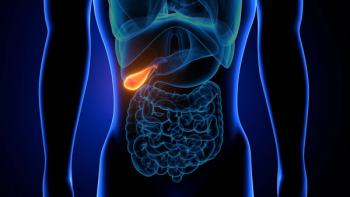
Eric Lawitz, MD, FAASLD, AGAF, FAPCR, CPI: Liver health belongs in the routine conversation about obesity and metabolic health. It shouldn't come up only after someone is diagnosed with MASLD or MASH. Pharmacists can tell patients that fat often builds up in the liver in people with obesity, and that this usually causes no symptoms. They can encourage patients to ask their clinician about their liver disease risk, especially patients who also have type 2 diabetes or other metabolic risk factors. Simple tests, starting with the Fibrosis-4 (FIB-4) score from routine blood work, can show who needs further evaluation for liver scarring.
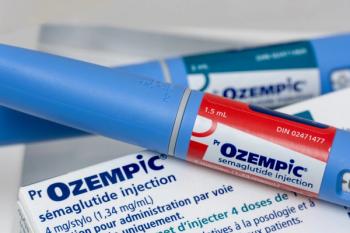
Our analysis is encouraging: treating obesity with semaglutide (Wegovy; Novo Nordisk) may also improve measures of liver health. In STEP UP and STEP UP T2D, both semaglutide doses lowered liver enzymes when elevated at baseline and improved liver fat in those with elevated liver fat at baseline. In the smaller STEP UP magnetic resonance imaging (MRI) subgroup, 88.5% of semaglutide-treated participants who started with elevated liver fat had normal liver fat by week 72.
Pharmacy Times: With only the 2.4-mg dose approved for MASH, how should pharmacists think about liver benefit for patients on semaglutide 7.2 mg?
Lawitz: Pharmacists should keep 2 things separate: the approved MASH indication and possible liver benefits in patients taking semaglutide for obesity. The recommended dose for MASH is 2.4 mg. At baseline, participants in these obesity trials had a high likelihood of liver fat (steatosis) but a low likelihood of significant fibrosis.
What we did see was improvement in liver-related measures. Among participants who started with elevated liver enzymes, median alanine aminotransferase (ALT) fell by 16 U/L with either dose, compared with 7.5 U/L with placebo. We also saw a dose-dependent shift toward lower-risk steatosis categories. The MRI analysis was a small subgroup, but 88.5% of participants with elevated liver fat at baseline reached normal levels (below 5%) by the end of treatment. These are promising signals for semaglutide across the spectrum of MASLD.