
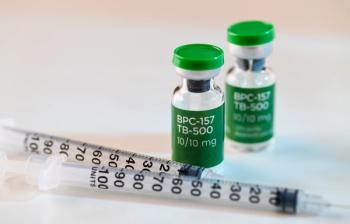
A summer PCAC vote pushes 6 peptide families toward the 503A bulks list—but the FDA's decision is still pending.
A summer PCAC vote pushes 6 peptide families toward the 503A bulks list—but the FDA's decision is still pending.
Parminder K. Judge, PhD, explains why eGFR and electrolytes should be monitored when diuretics are added to reach intensive BP targets in patients with CKD

The project maps how flu and HIV proteins enter cells, with the aim of developing longer-lasting vaccines.

VAX-31 met all primary end points against PCV20 and PCV21 in the pivotal phase 3 OPUS-1 trial.

Pharmacy teams can prevent early discontinuation by setting clear expectations for when—and how—a medication's benefit will become apparent.

A year after FDA approval in heart failure (HF) with LVEF of 40% or higher, new ACC guidance and trial subanalyses are shaping how pharmacists use finerenone.
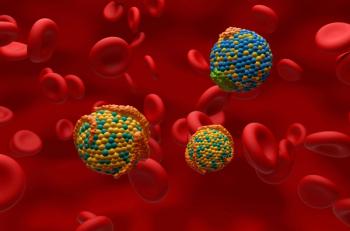
Neither the lipoprotein(a) [Lp(a)]–lowering antisense oligonucleotide nor the IL-6 inhibitor cut CV events in phase 3, but patients with high Lp(a) may still bring questions to pharmacists.

Pharmacists make a difference in patients’ lives through MTM services.

The Main Street Pharmacy Access Act would let Medicare pay pharmacists for care they can already legally provide, if pharmacies have the time.

In part 2 of this interview, Michael Mina, MD, PhD, discusses LIBERTY study data showing that VYD2311 boosted neutralizing activity without interfering with mRNA COVID-19 vaccine response.

Each October, the pharmacy profession pauses to recognize technicians' decades-long evolution, from on-the-job trainees to nationally certified health care professionals.

Experts on Lp(a) testing, statin myths, cognitive safety, and the 2025-2030 Dietary Guidelines share counseling points from the National Lipid Association's Fall Clinical Lipid Update meeting.

At-home chemotherapy for HR+ breast cancer works best when pharmacists guide oral regimens, boosting adherence, safety, and affordable access.

Managing medication safety in specialized populations requires a shift from standardized dosing to precise, patient-specific customization.
Emergency and ICU pharmacists would be most likely to see pneumonic plague. An expert reviews first-line agents, alternatives, and postexposure prophylaxis.

A former residency program director unpacks why this debate keeps resurfacing, and why some reasons people give for skipping residency may not hold up the way they think they do.
Eric Lawitz, MD, explains how pharmacists can discuss liver risk with patients with obesity and why a FIB-4 score from routine blood work is a good first step.

Pharmacogenomic-guided prescribing uses genetic data to protect patients from dangerous toxicities and get them the right drug at the right dose from the start.
A lipidologist outlines how PREVENT, coronary calcium scoring, and restored LDL-C targets guide personalized lipid therapy and where pharmacists fit in.

When even federal guidance sparks debate, an expert advises pharmacists to consider the source and point patients to long-standing healthful eating.

As accessible health care providers, pharmacists can raise awareness about the proper use of OTC blood glucose meters and continuous glucose monitoring devices.

The first AHA endocarditis update in 11 years expands outpatient options, with a bigger role for pharmacists.

Growing evidence points to gallstones and cholecystitis as an underrecognized risk of GLP-1 RA therapy—pharmacists are well positioned to catch it early.

A suspected plague death in Russia has renewed attention on the rare infection. Here's how to spot pneumonic plague, and which antibiotics the CDC recommends.
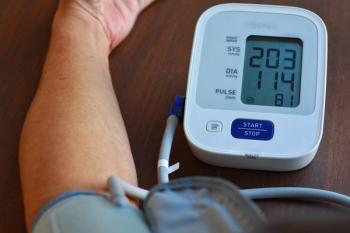
A meta-analysis of 27 trials found 15% lower cardiovascular (CV) event risk per 10-mm Hg SBP reduction, with eGFR declines but no rise in kidney failure.
From red meat to 'big and fluffy' LDL, a lipid expert unpacks fat and cholesterol misconceptions that persist among patients and clinicians.

Pharmacists play a large role in mavacamten care, screening for interacting drugs that can raise exposure and may require dose adjustment or withholding.

As earning years peak, so do spending and responsibility—here’s where midcareer pharmacists should focus their financial decision-making.

Validating patient concerns and then reframing them around stroke prevention can help pharmacists counsel patients who worry that statins harm memory.
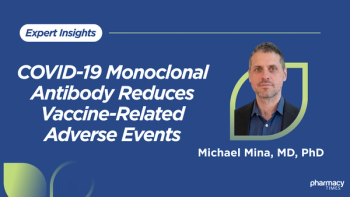
Michael Mina, MD, PhD, discusses phase 3 LIBERTY study data showing that the monoclonal antibody VYD2311, alone or combined with an mRNA COVID-19 vaccine, was associated with fewer adverse events than vaccination alone.