As earning years peak, so do spending and responsibility—here’s where midcareer pharmacists should focus their financial decision-making.
Growing evidence points to gallstones and cholecystitis as an underrecognized risk of GLP-1 RA therapy—pharmacists are well positioned to catch it early.
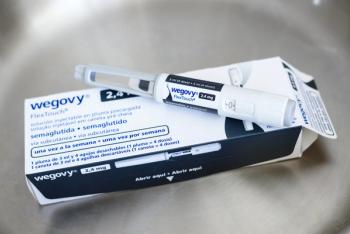
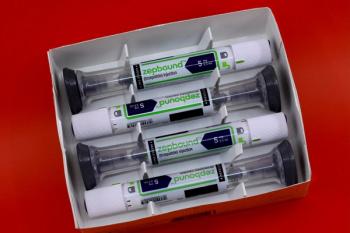
Glucagon-like peptide-1 receptor agonists (GLP-1 RAs) have transformed the management of type 2 diabetes (T2D) and obesity, but growing attention has been directed toward gallbladder complications reported during therapy.1 Given their cardioprotective effects, expanded approved disease management indications, and generally tolerable safety profile, the use of medications such as semaglutide, liraglutide, and dulaglutide continues to increase. However, there are concerns regarding an increased risk of gastrointestinal and hepatobiliary adverse effects, including gallbladder-related events such as cholelithiasis (gallstones) and cholecystitis, observed in clinical trials and reported in the FDA Adverse Event Reporting System (FAERS).1-3 Per FAERS data, semaglutide was among the top 5 drugs associated with cholelithiasis, cholecystitis, and acute cholecystitis.4
Notably, differences among GLP-1 RA brands and doses have been observed in gallbladder complication incidence rates.5-7
Gallbladder disease includes various hepatobiliary complications, such as cholecystitis and cholelithiasis.8 Gallstone formation is a multifactorial process influenced by patient-specific and treatment-related factors that disrupt normal gallbladder function and bile homeostasis.9 Obesity and rapid weight loss are risk factors for gallbladder disease.8 The expansion of liraglutide and semaglutide FDA indications to include obesity management in 2014 and 2021, respectively, is largely attributable to their significant contribution to weight loss in clinical practice.1
Consequently, obesity and GLP-1 RA–associated weight loss have been proposed as contributing factors to the increased incidence of gallbladder disease.6 Although clinically significant weight loss occurs in patients receiving GLP-1 RA therapy across indications other than obesity treatment, such as T2D, this weight loss may also play a role in the development of GLP-1 RA–associated gallbladder disease. Evidence indicates that the risk of GLP-1 RA–associated gallbladder disease may be drug-specific and affected by the duration of therapy, dose of medication, and degree of weight loss.5-7
Overall, evidence from clinical trials, meta-analyses, and observational studies has shown an increased incidence of gallbladder-related adverse events in patients on GLP-1 RA therapy, as summarized in the Table. The association appears to be strongest with longer treatment duration, higher doses, and obesity treatment populations compared with T2D populations. Although most evidence focuses on liraglutide, studies suggest that gallbladder disease may be a class effect of GLP-1 RAs, possibly linked to weight loss.
GLP-1 RAs promote metabolic health and weight loss in part through delayed gastric emptying and regulation of gut hormones, thereby enhancing satiety and reducing caloric intake.10 Because GLP-1 RAs delay gastric emptying, nutrient delivery to the distal ileum is also delayed; this may lead to decreased release of fibroblast growth factor 19 (FGF19), a key gut hormone that regulates bile acid synthesis.11
Delayed gastric emptying is associated with a prolonged time to reach the maximum postprandial gallbladder ejection fraction (GBEFmax), indicating slowed gallbladder emptying after a meal.12 Prolonged gallbladder emptying extends bile residency, whereas reduced FGF19 secretion increases cholesterol saturation within the bile. GLP-1 RAs have also been shown to decrease gallbladder relaxation, bile acid secretion, and motility by decreasing farnesoid X receptor (FXR) and Takeda G protein–coupled receptor 5 (TGR5) signaling. Combined, these mechanisms create an environment that allows cholesterol crystals to form, potentially leading to cholelithiasis.1
FXR is responsible for increasing bile salt export pump (BSEP) expression, which facilitates the transport of bile acids from the liver into bile for normal bile flow. With less BSEP expression, the bile acids are not secreted as efficiently, and the concentration of cholesterol in the bile increases, leading to gallstone formation due to biliary stasis. TGR5, when activated, prevents biliary stasis and regulates normal gallbladder function. When TGR5 signaling is reduced via GLP-1 RA use, gallstones can also form due to biliary stasis.1
GLP-1 RAs have also been shown to reduce GLP-2, a gut hormone involved in gallbladder relaxation and refilling, which may further impair biliary homeostasis.13 Gallbladder emptying is primarily regulated by cholecystokinin (CCK), which promotes contraction and release of bile into the small intestine.1,13 Although there may be conflicting evidence on whether GLP-1 RAs increase or decrease CCK activity, altered CCK signaling may contribute to bile stasis and poor digestion, leading to gallstone formation.13,14
Pharmacists, being among the most accessible health care providers, can help minimize the risk of gallbladder complications in patients receiving GLP-1 RA therapy. Assessing preexisting risk factors such as female sex, dyslipidemia, and use of estrogen-containing oral contraceptives is an important first step.19 Because weight loss and gallbladder disease are known effects of GLP-1 RA therapy, it is vital to counsel patients on recognizing the symptoms of gallbladder complications and on the appropriate use of GLP-1 RAs. In FAERS reporting, cholelithiasis was among the top 5 drug-related conditions, with semaglutide among the top 5 drugs reported, out of 36,302 total cases.⁴ Reducing the risk of gallstones can include gradual, sustained weight loss through dietary modifications—specifically avoiding overly restrictive low-fat diets—and encouraging daily exercise.20
Patient counseling should differentiate between common gastrointestinal effects of GLP-1 RA use and warning signs of gallbladder disease, as shown in the Figure. Because the initial presentation of gallbladder disease can be mistaken for routine gastrointestinal intolerance symptoms, such as nausea, diarrhea, constipation, and vomiting, patient education is of utmost importance.21 Recognizing differences in the characteristics, timing, and severity of symptoms is essential for early recognition and appropriate medical referral. Patients should also be counseled on lifestyle strategies, including eating smaller, more frequent meals; limiting high-fat foods; avoiding rapid weight loss without medical supervision; and engaging in regular physical activity.22,23 Unlike the expected transient gastrointestinal adverse effects of GLP-1 RA therapy, gallbladder disease is more likely to present with persistent pain and other concerning symptoms that can occur at any point during therapy or after significant weight loss.24 It is also notable that long-acting agents such as liraglutide and dulaglutide, vs short-acting agents such as exenatide, have shown a lower incidence of nausea and vomiting but a higher occurrence of diarrhea.25
Community pharmacists are often among the first health care professionals to counsel patients starting GLP-1 RA therapy and are therefore well positioned to discuss the risks and to identify patients whose predisposing factors place them at an even higher risk of gallstones. Clinical pharmacists also play an important role in interdisciplinary collaboration with physicians when evaluating patients with gallbladder complications. As medication experts, pharmacists can educate prescribers on emerging evidence linking GLP-1 RAs to gallbladder disease, thereby assisting with patient-specific, treatment-based risk assessment.
As GLP-1 RA use expands over multiple indications, further research is needed to evaluate the long-term risk of gallbladder disease. The expansion of resources should focus on patient-specific risk assessment, identifying high-risk populations, and developing prevention and monitoring strategies for these high-risk individuals. Pharmacists play an important role in educating patients and other health care professionals on safe and effective use of GLP-1 RAs to improve medication safety outcomes.
Stay informed on drug updates, treatment guidelines, and pharmacy practice trends—subscribe to Pharmacy Times for weekly clinical insights.
Subscribe