

From newsworthy moments to groundbreaking research, these were the most listened-to podcasts on Pharmacy Focus in 2023.
From newsworthy moments to groundbreaking research, these were the most listened-to podcasts on Pharmacy Focus in 2023.

From newsworthy moments to groundbreaking research, these were the most-read reimbursement-related articles on Pharmacy Times in 2023.

From newsworthy moments to groundbreaking research, these were the most-read skin cancer-related articles on Pharmacy Times in 2023.

From newsworthy moments to groundbreaking research, these were the most-read pharmacy technician-related articles on Pharmacy Times in 2023.

From newsworthy moments to groundbreaking research, these were the most-read biosimilar-related articles on Pharmacy Times in 2023.

The CAR T-cell therapy improved relative overall survival by more than a third compared to standard of care.
Expert discusses positive, real-world findings from a claims-based study looking at this therapeutic.

The therapy sustained IDFS benefit compared with ET alone.

The investigators note that psilocybin’s effectiveness in treating depressive symptoms and the positive reception among patients with cancer are encouraging continued research.

The biosimilars landscape is set to witness significant growth, particularly in therapeutic areas like ophthalmology and immunology, with a focus on blockbuster biologics like Humira, Stelara, and Eylea.
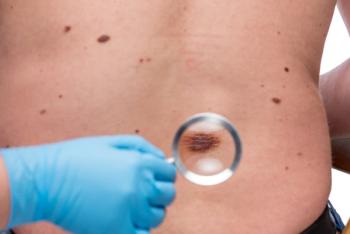
The results confirm tebentafusp as a standard of care.

Investigators will evaluate prophylactic tocilizumab prior to treatment with teclistamab.
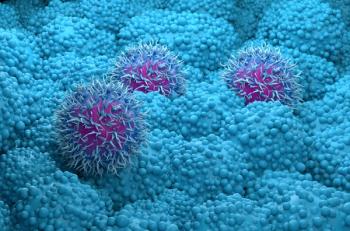
Preclinical data showed that LP-184 shrunk tumors in vivo by more than 90% in just 8 weeks.

The results support perioperative nivolumab as a potential new treatment option.

The CMS FAQ ruling is resulting in barriers to care for patients.

Treatment options can be limited for this patient population.

Fran Gregory, PharmD, MBA, vice president of emerging therapies at Cardinal Health, discusses the dynamic landscape of the biosimilars market, providing key insights into its current status and future projections.

There is a prognostic impact of clinical and immunohistochemistry markers.

The approval marks the first for an alternative to platinum-containing chemotherapy.

Although treatment is effective, AEs remain difficult for patients.

The differences between the regimens, anti-PD1/CTLA-4 and anti-PD1/LAG-3, can be used to optimize outcomes for patients with melanoma, particularly in those who develop drug resistance.

Belzutifan (Welireg; Merck) demonstrated superior progression-free survival compared to everolimus in advanced renal cell carcinoma.
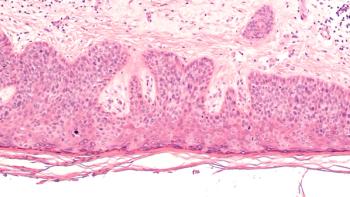
The protein STAT3 is present in approximately 70% of tumors, with elevated levels of the protein being an indicator of poor prognoses in patients.

Hospice care is only a part of palliative care services.

Douglas Warner, MD, chief medical officer at eFFECTOR, provides a comprehensive overview of zotatifin and its current status in a Phase 1/2 dose escalation and expansion study, with a focus on ER+/HER2- breast cancer.
This is the first FDA approval for a therapy intended to reduce the risk of relapse in patients with high-risk neuroblastoma.

AFPs limit access to provider-prescribed specialty medications.

Heather McArthur, MD, clinical director of breast oncology at UT Southwestern Medical Center, discusses the toxicities associated with antibody-drug conjugates (ADCs) used in breast cancer treatment at the 2023 San Antonio Breast Cancer Symposium.
There is progress being made regarding research on immunotherapies and the mutation, which adversely affects a higher number of patients in this population.
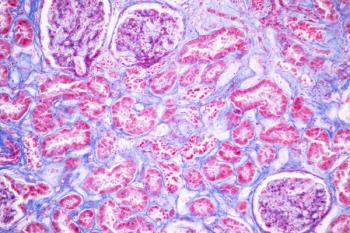
Axitinib, cabozantinib, and lenvatinib are first-line treatment options.