
Repotrectinib is a tyrosine kinase inhibitor (TKI) that targets ROS1 and is administered as an oral therapy for treatment of locally advanced or metastatic ROS1-positive non–small cell lung cancer.
Repotrectinib is a tyrosine kinase inhibitor (TKI) that targets ROS1 and is administered as an oral therapy for treatment of locally advanced or metastatic ROS1-positive non–small cell lung cancer.

According to the authors, these results contribute to developing information that associate lymphedema with localized changes in immunity and a susceptibility for cancer.

The study findings provide the first in-depth look at the relationship between chromosomal changes in tumor cells and immune components of the tumor microenvironment.

Researchers determined that simultaneously targeting the BRD4 and LOXL2 proteins disrupts their interaction and inhibits the growth of triple-negative breast cancer cells.
With this approval, fruquintinib is the first and only selective inhibitor of all 3 VEGR receptor kinases to be approved in the United States for previously treated mCRC, regardless of biomarker status.

Domvanalimab plus zimberelimab with chemotherapy demonstrated a positive overall response rate and 6-month progression free survival rate for patients with upper gastrointestinal cancers.

Data show patients are willing to accept associated risks for a chance at a cure.

With precision medicine, patients undergoing treatment are living longer without disease recurrence or progression and with fewer adverse effects, resulting in preservation of quality of life.

In an article by The New England Journal of Medicine, the authors discuss how drug companies could delay the approval of new oncology drugs under the IRA, delaying patient care.

How patients acquire NSCLC plays a role in health outcomes, with never-smoker patients having genetically different disease than the same disease in smokers.

The approval marks the sixth indication for pembrolizumab in gastrointestinal cancers.

Calvin Tucker, PharmD, MBA, FCCM, FFSHP, Pharmacy Manager for the Cancer Care Pharmacy discusses the unique and valuable role pharmacist have within the health care community

However, uncomplicated diabetes was not significantly linked to a greater risk of all-cause mortality or death from colorectal cancer.

The vice president of pharmacy operations at American Oncology Network discusses the 340B Drug Pricing Program and its growth and impact on community oncology.
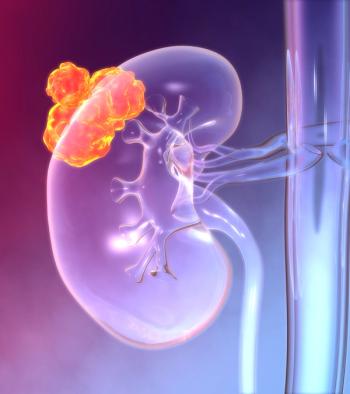
Viktor Grunwald, MD, PhD, discusses the post-hoc analysis of the phase 3 CLEAR trial investigating the combination treatment in the first-line setting for advanced renal cell carcinoma.

Compared to chemotherapy alone, amivantamab plus chemotherapy treatment with and without lazertinib had also demonstrated positive trends in OS and ORR in patients with NSCLC.

Compared to osimertinib alone, first-line treatment with amivantamab plus lazertinib was also shown to improve progression-free survival and have an increased duration of response.

Patients with previously untreated HLA-A*02:01+ mUM saw improvements in OS, PFS, and ctDNA clearance.

Compared to placebo plus chemotherapy, nivolumab plus chemotherapy had also improved event-free survival and both pathological complete response and major pathologic response rates.

Vanderbilt Specialty Pharmacy and Takeda Oncology are reaching across silos and entering an innovative partnership to improve patient care across the entire medication journey.

According to investigators, additional research is necessary to further understand how lutetium impacts overall survival in patients with metastatic prostate cancer.

The trial data showed ongoing clinical benefit in patients with advanced endometrial cancer who completed pembrolizumab and continued on lenvatinib vs chemotherapy alone.

Compared to chemotherapy alone, amivantamab plus chemotherapy had a better objective response rate and prolonged progression-free survival and overall survival.

This is the first phase 3 trial to evaluate a KRAS G12C-inhibitor plus an anti-epidermal growth factor receptor antibody for this type of colorectal cancer.

The novel combination met the co-primary endpoints of progression-free survival and overall survival during the CheckMate -901 trial, also demonstrating sizeable improvement in objective response.

Oncology leaders and pharma representatives discuss collaboration best practices.

Not only did taletrectinib shrink tumors in 92% of patients who were tyrosine kinase inhibitor -naïve, but 89.5% of patients continued to respond to treatment at 12 months.

Compared to endocrine therapy alone, the combination of ribociclib and endocrine therapy lowered the risk of cancer recurrence in patients with early breast cancer by 25.2%.

Saira A. Jan, MS, PharmD, discussed a novel pilot program in New Jersey aiming to expand home infusion services in oncology.