

Clinicians explored at-home monthly injections of somatostatin analogues during the early days of the COVID-19 pandemic in order to keep patients out of health care facilities as much as possible.
Clinicians explored at-home monthly injections of somatostatin analogues during the early days of the COVID-19 pandemic in order to keep patients out of health care facilities as much as possible.

Experts address cases for and against the use of surgical resection in the treatment of patients with neuroendocrine tumors and liver metastases.

Kaushal Nanavati, MD, assistant dean of wellness and director of integrative medicine and survivorship at the Upstate Cancer Center discusses what the different kinds or research shows about integrative medicine and the potential risk of this treatment.

Surufatinib targets both the VEGF receptor and the CSF1R receptor, which is a unique mechanism of action.

Rodney Pommier, MD, FACS, professor of surgery, Oregon Health & Science University, provides conclusions based on the prospective study findings investigating the treatment of carcinoid crisis without perioperative octreotide.

Drug dose and monitoring should be individualized based on patients’ unique bone marrow health profile with their age, comorbidities, and prior marrow toxic drug use accounted for.

In addition to the vital clinical role that pharmacists play, Mei Ka Fong, PharmD, BCOP, said pharmacists are essential to ensuring that patients understand their disease and their treatments.

Mei Ka Fong, PharmD, BCOP, said that although many potential adverse events are well understood in patients receiving traditional treatments, there are no studies investigating the sequencing of these agents.

Rodney Pommier, MD, FACS, professor of surgery, Oregon Health & Science University, discusses what the study results demonstrated regarding treating carcinoid crisis without perioperative octreotide for patients with neuroendocrine tumors.

Rodney Pommier, MD, FACS, professor of surgery, Oregon Health & Science University, discusses what the study results demonstrated regarding treating carcinoid crisis without perioperative octreotide for patients with neuroendocrine tumors.

Rodney Pommier, MD, FACS, professor of surgery, division of surgical oncology, school of medicine, Oregon Health & Science University, discusses the selection of the patient populations included in the study of carcinoid crisis with no perioperative octreotide.
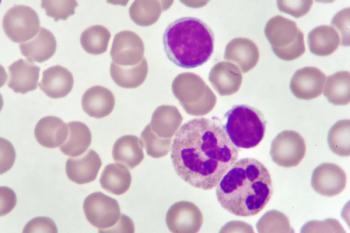
Mei Ka Fong, PharmD, BCOP, said sunitinib was the first targeted therapy for NETs, although other targeted agents are being investigated.
Rodney Pommier, MD, FACS, professor of surgery, division of surgical oncology, school of medicine, Oregon Health & Science University, addresses the questions surrounding the efficacy of perioperative octreotide treatment for patients experiencing a carcinoid crisis.

Rodney Pommier, MD, FACS, professor of surgery, division of surgical oncology, school of medicine, Oregon Health & Science University, discusses what octreotide is and how it is used to reduce carcinoid crisis rates or treat a crisis.

NETs can occur almost anywhere in the body, although they are most common in the gastrointestinal tract and lungs.

Rodney Pommier, MD, FACS, professor of surgery, division of surgical oncology, school of medicine, Oregon Health & Science University, discusses his presentation at the 2021 NANETS Virtual Symposium on a prospective study of carcinoid crisis with no perioperative octreotide.

The FDA also granted Priority Review designation for the toripalimab BLA and set a Prescription Drug User Fee Act action date for April 2022; however, the FDA is not currently planning to hold an advisory committee meeting to discuss the application.

Mei Ka Fong, PharmD, BCOP, said there are multiple treatment approaches for patients with NETs.

TNBC is the most aggressive and lethal form of the disease.

Ciltacabtagene autoleucel (cilta-cel) CAR T-cell therapy is currently being evaluated for the treatment of patients with relapsed and/or refractory multiple myeloma.

Study does not show clinically significant improvements in overall survival but does show benefits in secondary endpoints, which included rates of distant metastases, deaths due to prostate cancer, and PSA failure.

Durvalumab (Imfinzi, AstraZeneca), combined with standard-of-care chemotherapy, demonstrated a clinically meaningful benefit in patients with advanced biliary tract cancer.

Study finds that 16.9% of stomach cancers, 11.9% of endometrial cancers, 11.0% of kidney cancers, 9.3% of colon cancers, 8.1% of esophageal cancers, 6.5% of female breast cancers, and 3.9% of urinary bladder cancers were associated with a low level of exercise.

Multiple strategies can be used to create an individualized approach to therapies and removing barriers for patients with cancer.
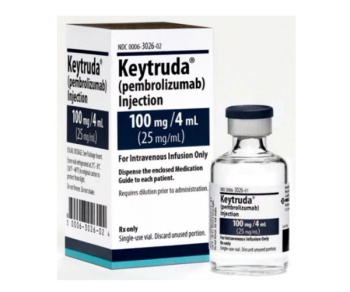
Pembrolizumab (Keytruda) can be used for multiple cancer types, including melanoma, non-small cell lung cancer, and head and neck squamous cell cancer.

Asciminib (Scemblix) approved for patients with Philadelphia chromosome–positive chronic myeloid leukemia (CML) in chronic phase who were previously administered 2 or more tyrosine kinase inhibitors.

The study was designed to evaluate elacestrant as a monotherapy compared to the standard of care for the treatment of estrogen receptor-positive/human epidermal growth factor receptor 2 advanced or metastatic breast cancer.

The analysis found that patients’ quality of life did not change significantly over time during treatment with immune checkpoint inhibitors.

Chemotherapy for colorectal cancer include 5-fluorouracil (5-FU), capecitabine (Xeloda), irinotecan (Camptosar), oxaliplatin (Eloxatin), and trifluridine and tipiracil (Lonsurf).

The phase 2 Elara trial for the follicular lymphoma treatment met its primary endpoints, Novartis says.