

The novel camizestrant-ribociclib combination demonstrated encouraging data in advanced, pre-treated ER+/HER2- breast cancer.
The novel camizestrant-ribociclib combination demonstrated encouraging data in advanced, pre-treated ER+/HER2- breast cancer.

Breast cancer prevention vaccines could have significant positive societal impact by reducing cancer diagnoses.

Novel therapies and personalized treatment plans are improving outcomes for patients with ER-positive breast cancer.
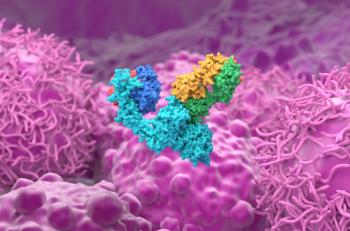
Trastuzumab deruxtecan and trastuzumab emtansine address key challenges such as recurrence and metastases in HER2+ early breast cancer treatment.
Pharmacists can help drive the successful adoption of biosimilars by developing educational programs to address provider and patient concerns.

The combination of elacestrant and abemaciclib showed promising 8.7-month progression-free survival in ER+, HER2- advanced breast cancer, including in patients with ESR1 mutations.

The assessment of tumor-infiltrating lymphocytes can provide valuable insights to guide personalized treatment decisions for breast cancer patients.

At the 2024 San Antonio Breast Cancer Symposium, experts discussed the development, clinical impact, and challenges of antibody-drug conjugates (ADCs).

Both risk-reducing mastectomy and salpingo-oophorectomy were associated with significant improvements among young BRCA carriers with breast cancer.

Assessing pre-treatment TIL levels in young breast cancer patients could help predict response to neoadjuvant chemotherapy.

Experts highlight the importance of dosing and regimen optimization in breast cancer to improve treatment tolerability, reduce toxicities, and improve quality of life for patients.
Rural patients face significant barriers to health care access and affordability that contribute to poor hypertension management.

Komal Jhaveri MD, FACP, shares that the combination of imlunestrant plus abemaciclib further improved progression-free survival compared to imlunestrant alone.

Dose rounding within an acceptable range can provide cost savings and minimize waste, but requires careful interprofessional collaboration and patient education.

According to the report, 75% of survey participants expect pharmacists to oversee these therapies and 58% expect Medicare will require pharmacist involvement.

Virginia Kaklamani, MD, DSc, shares the role of ESR1 mutation testing and combination strategies to optimize endocrine therapy in patients with metastatic HR+/HER2- breast cancer.

Experts discuss advancements in hormone receptor–positive/HER2-negative breast cancer treatment while addressing safety, diversity, and fertility challenges.
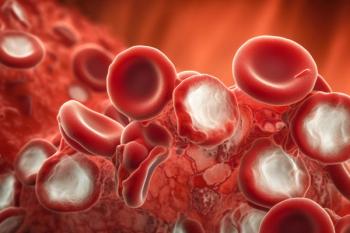
Navtemadlin has demonstrated meaningful efficacy and safety as a monotherapy or combination treatment in various preclinical and clinical trials.

Results suggest that patients commonly receive more than 5 days of treatment, which could be an opportunity for an antimicrobial stewardship initiative.
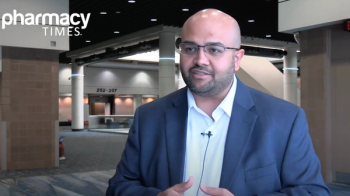
Pharmacists are essential members of the patient care team, leveraging technology like automated IV compounding to standardize processes.

The progress made in areas like scope expansion and reimbursement is encouraging, suggesting a growing recognition of pharmacists’ value within the health care system.

Two studies found a 2-bag regimen of N-acetylcysteine (NAC) resulted in fewer and shorter delays in treatment as well as decreases in cutaneous non-allergic anaphylactoid reactions.
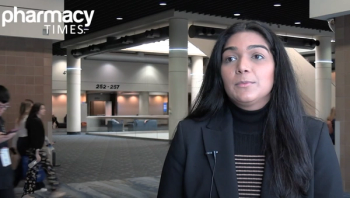
Pharmacists play a crucial role in promoting the appropriate use of broad-spectrum antibiotics to prevent antimicrobial resistance and improve patient outcomes.

The 23-valent pneumococcal polysaccharide vaccine (PPSV23, Pneumovax 23; Merck Sharp & Dohme Corp) demonstrates effective reductions in the risk of hospitalizations.
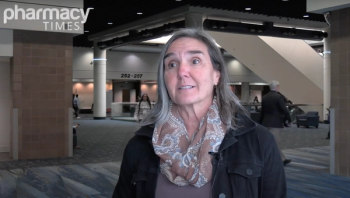
The primary challenge facing rural pharmacies include recruitment and retention of staff, the need for pharmacists to handle multiple roles and expertise, and the impact of burnout and stress.

Adults with epilepsy are underrepresented in most CBD trials, including common etiologies.
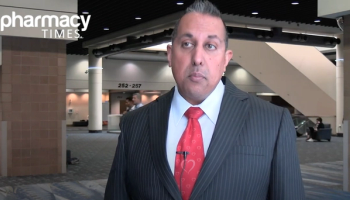
Snehal Bhatt emphasizes the need for patient-specific risk assessment and a thoughtful approach to balancing aspirin's benefits and bleeding risks as new treatment options become available.

Although challenges and obstacles persist, artificial intelligence could help rural and smaller pharmacies close gaps in care.

Pharmacists play a key role in vaccination efforts to prevent respiratory illnesses.

Both statins and newer non-statin medications are important in combination to effectively lower atherogenic lipid levels and reduce cardiovascular risk.