

The designation follows positive phase 2a trial results (NCT05104853) presented at the 2024 AASLD The Liver Meeting.
The designation follows positive phase 2a trial results (NCT05104853) presented at the 2024 AASLD The Liver Meeting.

ALG-801 could present new opportunities to improve treatment and management of patients with pulmonary arterial hypertension, a life-threatening condition.

In a phase 2 trial (NCT05400226), abenacianine helps surgeons visualize tumors in lung during surgery and is safe and well-tolerated in patients.
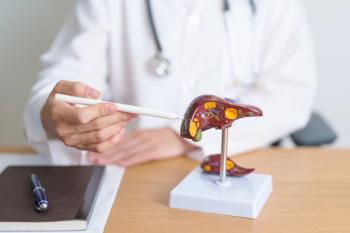
Serplulimab plus HLX04 demonstrates a favorable safety profile in patients with advanced hepatocellular carcinoma.

The late former president played a critical role in advancing cancer care, as well as efforts to eradicate preventable diseases.

These new regulatory developments put CUTX-101 on track to become the first FDA-approved treatment for patients with Menkes disease.

For patients with multiple myeloma who may experience an infection while receiving teclistamab, supplementation with intravenous immunoglobulin (IVIG) can help resolve and prevent serious complications.

Duchenne muscular dystrophy is an incurable neuromuscular disorder that can lead to cardiomyopathy, resulting in heart failure.

It is important for pharmacists to understand what RSV is, who is most affected by it, and what options are out there to prevent serious disease.

Palbociclib demonstrates safety and efficacy in combination with anti-HER2 and endocrine therapies.

This association was also observed in siblings of children with autism spectrum disorder.

Data from a follow-up at 6 months show a reduced risk of all-cause mortality in heart attack patients with anemia who receive a liberal transfusion strategy compared with a restrictive one.
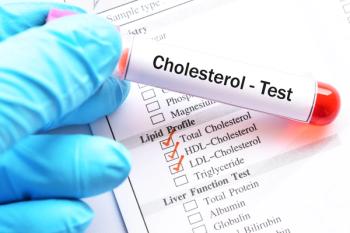
Patients with acute coronary syndrome who were in the high quartile were at significantly higher risk for major adverse cardiovascular events (MACE).
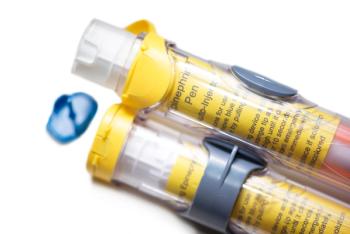
Intranasal epinephrine spray offers a needle-free option for anaphylaxis treatment.

Approximately 61% of individuals said respiratory syncytial virus (RSV vaccination for adults 60 years and older is effective.
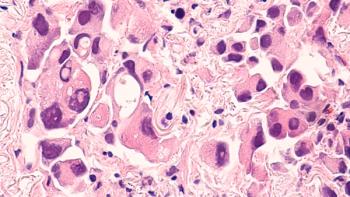
Sunvozertinib was originally approved in China, making it the world’s first and only oral treatment for these patients.

Management of acute otitis media in children involves evidence-based antibiotic prescribing.

A pooled analysis showed regular consumption of coffee and tea was associated with decreased risk of certain cancers.

Calcipotriol in combination with 5-FU triggers Th2 immunity to prevent skin cancer.

The pandemic’s aftermath left lasting tensions in health care.

The analysis shows patients achieved deep and durable responses despite being ineligible for the CARTITUDE-1 trial.

Pharmacists play a vital role in patient advocacy and health care collaboration by ensuring safe medication management, facilitating seamless care transitions, providing education, promoting adherence, and fostering compassion to enhance therapeutic outcomes and patient wellness.

Early diagnosis of chronic kidney disease (CKD) can help optimize treatment and manage the disease to prevent further decline.

Pharmacies can strategically invest in AI technologies to streamline operations and improve patient care while addressing cost challenges and maximizing return on investment in 2025.

Treatment with IVIG leads to high responses 6 months following the initiation of therapy.
New medications like glucagon-like peptide-1 agonists and resmetirom show promise in reversing fatty liver disease and preventing progression.
Pharmacists should be aware of the impacts that anemia in patients being treated for cancer has on daily activities and overall quality of life.
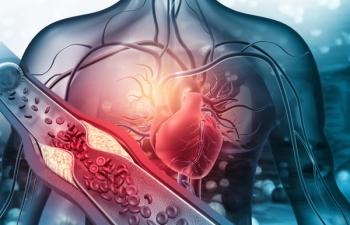
Certain laboratory tests indicate stronger predictions for hospital stay, suggesting pharmaceutical intervention could help reduce the length of cardiovascular-related hospital stay.

Patients with hormone receptor–positive and human epidermal growth factor receptor 2 breast cancer are particularly at risk.

Patients with relapsed, refractory disease achieved deep, durable responses with equecabtagene autoleucel.