

Over 70% of children and young people with long COVID reported improvements in their symptoms within 24 months of their initial positive SARS-CoV-2 test.
Over 70% of children and young people with long COVID reported improvements in their symptoms within 24 months of their initial positive SARS-CoV-2 test.

The model, Deep-IO, shows improved specificity and sensitivity compared with existing predictive biomarkers.

The regulatory decision marks a significant step forward in the treatment of non-tuberculous mycobacteria infections.
Pharmacists can educate patients on controlling risk factors and stay up-to-date on emerging therapies like SGLT2 inhibitors and finerenone that can slow disease progression.
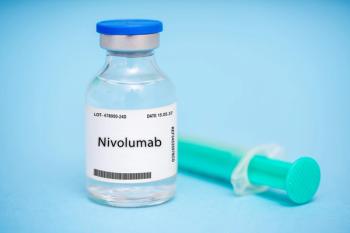
The approval offers patients with solid tumors an alternative to intravenous PD-1 inhibitor administration.
Lp(a) is a critical risk factor for atherosclerotic cardiovascular disease, but current lipid-lowering therapies are largely ineffective at lowering Lp(a) levels.
Administering first-dose antibiotics to septic shock patients via IV push rather than continuous infusion could improve the speed of antibiotic delivery and reduce logistical challenges.
The potential treatments include ivermectin, methylene blue, glucagon-like peptide-1 receptor agonists, and low-dose naltrexone.
Pharmacists are crucial in educating patients, identifying eligible individuals, and promoting uptake of the newly expanded RSV vaccination recommendations for older adults.
Gecacitinib is a novel inhibitor targeting both JAK and ACVR1.
Pharmacists can significantly improve chronic obstructive pulmonary disease (COPD) management by promoting non-pharmacological interventions.

Factors associated with intravenous immunoglobulin (IVIG)-related adverse events include older age, dehydration, and administration of multiple IVIG infusions.
Pharmacists are encouraged to work closely with health care providers to ensure appropriate use of high-cost Intravenous immunoglobulin (IVIG) therapy for BK nephropathy.
Pharmacy Times attended the 2024 San Antonio Breast Cancer Symposium from December 10 to December 13.
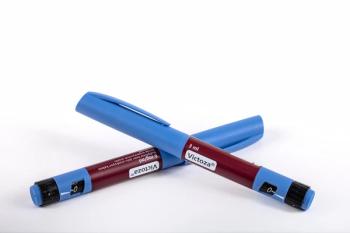
The approval of the generic to liraglutide injection, currently in shortage, could help increase patient access to the type 2 diabetes treatment.
The 2025 GOLD Report emphasizes the importance of tailoring combination treatments based on patient factors like eosinophil counts and exacerbation history.
Pharmacists can optimize IVIG treatment for BK nephropathy in kidney transplant recipients by educating providers and monitoring for infusion reactions.

Concizumab-mtci is a subcutaneous, monoclonal antibody designed to achieve hemostasis in all hemophilia types.

By aligning the pharmacy revenue cycle with the 340B Drug Pricing Program, organizations can maximize revenue capture from medications while ensuring compliance with 340B requirements, leading to enhanced financial performance and improved care for underserved populations.
Pharmacists are essential in preventing the significant health and economic burden of respiratory syncytial virus (RSV) infections in older adults through vaccination.

A study in Lancet Haematology revealed that minority ethnic patients face significantly poorer outcomes after hematopoietic cell transplantation compared to White patients.
VGT-1849A could reduce JAK2 activity, lessening the disease burden faced by individuals with PV while providing a favorable safety profile.

Clinical trials will seek to evaluate the immunogenicity and safety of the LBT-SA7 vaccine.

Rates of GBS were similar between Arexvy and Abrysvo, at 0.12% and 0.11% of total reported events, respectively.

Varicella-zoster vaccination could prevent fatal outcome among individuals with disseminated herpes zoster.
The decision is based off favorable results from the BREAKWATER trial.
Pharmacists identify appropriate patients for new oral and antibody drug conjugate treatments and provide counseling to help patients navigate the evolving treatment landscape.
Compounding pharmacies play a vital role in meeting the unique needs of patients, but pharmacists must adhere to strict safety standards and regulations.
The approval follows positive results from the V005 (NCT03005418) clinical trial.
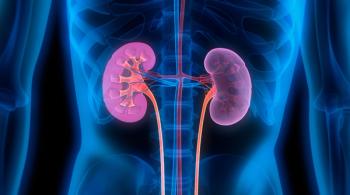
This case highlights the importance of recognizing ICPI-AKI, implementing effective therapeutic interventions, and understanding the clinical context to prevent irreversible renal damage.