Key Takeaways
- The risk profile of compounding hasn't changed; only the scale of demand has. As supply stabilizes, appropriateness should be evaluated patient by patient rather than by shortage status.
- Pharmacists should expect increased FDA and state board scrutiny and operate as if an inspection could happen at any time.
- Robust documentation, vetted API suppliers, trained staff, and routine self-audits aligned with USP 797 standards are essential to staying inspection-ready.
In an interview with Pharmacy Times, Annie Lambert, PharmD, BCSCP, clinical program manager for compliance solutions at Wolters Kluwer, discussed how pharmacists should reassess the appropriateness and risk of compounded glucagon-like peptide-1 (GLP-1) therapies as drug shortages ease, as well as what to expect from FDA and state-level enforcement going forward.
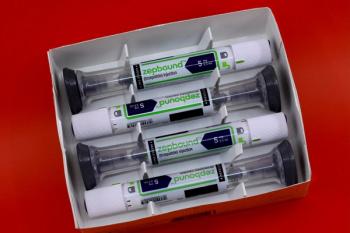
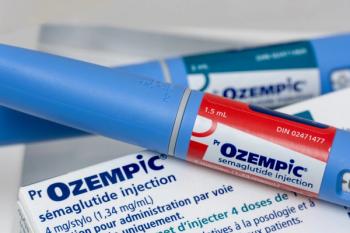
Lambert acknowledged that shortages of semaglutide (Ozempic, Wegovy; Novo Nordisk) and tirzepatide (Mounjaro, Zepbound; Eli Lilly and Company) were real and that compounding played a meaningful role in helping patients access therapy when supply was constrained. However, she stressed that the underlying risk profile of compounding has not changed; what has changed is the scale of demand, which surged amid limited supply and drove a sustained increase in compounding activity. That scale, she noted, brings greater potential for variability in areas like ingredient sourcing, process controls, labeling, and patient instructions. As the supply chain stabilizes, Lambert said the conversation should shift from broad access to individualized appropriateness, with compounding reserved for legitimate clinical scenarios, such as a need for a different dosage form, strength, or formulation not met by an approved product.