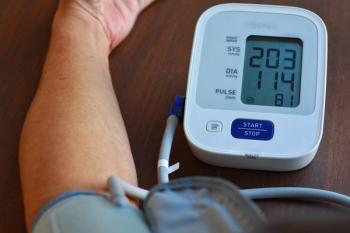
A meta-analysis of 27 trials found 15% lower cardiovascular (CV) event risk per 10-mm Hg SBP reduction, with eGFR declines but no rise in kidney failure.
New findings show chronic kidney disease affects the same share of US adults as in 2013, although the disease is increasingly tied to diabetes and heart conditions.
Chronic kidney disease (CKD) remains common, often undetected, and closely tied to serious cardiovascular outcomes, and a new decade-long analysis shows that its overall prevalence in the United States has not changed since 2013—even as the makeup of who develops it has shifted. Roughly 1 in 7 US adults, or about 15%, had CKD in 2013, and approximately the same share had it in 2023, according to findings published in the New England Journal of Medicine.1,2
Investigators from Boston University Chobanian & Avedisian School of Medicine analyzed records from 25,106 adults 20 years and older using data from the National Health and Nutrition Examination Survey, a rolling national study that collects interviews, physical measurements, and blood and urine samples from a representative sample of Americans. Each participant underwent 2 kidney function tests: estimated glomerular filtration rate from a blood sample and urine albumin-to-creatinine ratio from a urine sample. An abnormal result on either test qualified a participant as having CKD. Investigators tracked how CKD prevalence changed over the study period overall and within subgroups defined by age, sex, race and ethnicity, income, and comorbidities such as diabetes, hypertension, obesity, and heart disease.1,2
Although overall CKD prevalence held flat, the analysis found that the proportion of CKD attributable to diabetes rose from 4.7% to 5.7%, an approximately 30% relative increase, whereas non–diabetes-related CKD remained steady. The study period overlapped with the market introduction of the first therapies specifically indicated to slow kidney disease progression, including sodium-glucose cotransporter 2 (SGLT2) inhibitors and finerenone (Kerendia; Bayer), a nonsteroidal mineralocorticoid receptor antagonist. Despite the availability of these agents, corresponding author Ashish Verma, MBBS, assistant professor of medicine at Boston University Chobanian & Avedisian School of Medicine, said overall CKD rates have not budged, underscoring the need for further research and intervention to address the growing burden of diabetes-related CKD.1,2
“This is the frustrating part of the data, and I'd say so plainly: even as diabetes-associated CKD rose, blood pressure control, glycemic control, and appropriate prescribing of kidney-protective medications all stayed flat and suboptimal,” Verma noted in an interview with Pharmacy Times. “The tools exist; the delivery hasn't moved. That gap is a pharmacist-shaped opening.”
The data also revealed widening gaps by socioeconomic status: The difference in CKD incidence between adults with lower and higher educational attainment grew over the decade, suggesting that social and economic circumstances, not biology alone, help shape who develops kidney disease. CKD prevalence in men appeared to inch upward, whereas rates in women held steady, and Black Americans continued to have CKD rates near 1 in 5—substantially higher than White Americans—with no narrowing of that gap across the 10-year period.1,2
“The burden falls hardest on Black adults, people below the poverty line, and those with less formal education—the same patients for whom the pharmacy is often the front door to care,” Verma explained.
The investigators noted that roughly 1 in 4 Americans with heart disease also has CKD and that the connections between kidney disease, heart failure, and diabetes appear to be strengthening. The findings reflect what the American Heart Association has termed cardiovascular-kidney-metabolic (CKM) syndrome, in which single-organ approaches to care are no longer sufficient. The American Heart Association's (AHA) 2023 presidential advisory formally defined CKM syndrome and called for coordinated, multidisciplinary management of patients with overlapping cardiac, renal, and metabolic risk factors. More recently, AHA and a consortium of other medical organizations released
Verma encouraged pharmacists to “treat heart failure as a screening priority” and “work the cardiac–kidney intersection,” given the established relation between the disease states. With agents like finerenone now approved for indications beyond CKD, such as for patients with heart failure with an ejection fraction of 40% or higher, this “widens the pool of patients pharmacists can identify for heart- and kidney-protective therapy,” according to Verma.
For pharmacists, the findings reinforce the value of proactively screening at-risk patients—particularly those with diabetes, hypertension, or cardiovascular disease—for kidney involvement and of ensuring that eligible patients are offered kidney-protective therapies, such as SGLT2 inhibitors and finerenone, where clinically appropriate. As frontline, accessible members of the care team, pharmacists are well positioned to support medication optimization, adherence, and interdisciplinary coordination for patients navigating overlapping cardiovascular, kidney, and metabolic conditions.1,3
“Pharmacists sit at exactly the point where this population can be found and treated with tools that already exist,” Verma concluded.
Stay informed on drug updates, treatment guidelines, and pharmacy practice trends—subscribe to Pharmacy Times for weekly clinical insights.
Subscribe