

Fluctuations in glycemic delta, a specific measurement of glucose levels, is an indicator of worsened myocardial infarction outcomes, including greater reductions in left ventricular ejection fraction.

Luke Halpern is an associate editor with Pharmacy Times. Luke wrote for Pharmacy Times in the summer of 2023 and assumed a full-time role in June 2024. His work has been featured in Pharmacy Times and the American Journal of Managed Care. He graduated from the University of Massachusetts, Amherst, in May 2024.
Fluctuations in glycemic delta, a specific measurement of glucose levels, is an indicator of worsened myocardial infarction outcomes, including greater reductions in left ventricular ejection fraction.

Enrollment in the Supplemental Nutrition Assistance Program or another food assistance program could help ameliorate food insecurity that contributes to long COVID.

Bumetanide nasal spray provides patients with edema an alternative to burdensome oral or intravenous diuretic options.

A series of PCSK9 inhibitors were found to be tolerable and effective at reducing low-density lipoprotein cholesterol in solid organ transplant recipients.

Use of educational resources at a gastrointestinal office improved pneumococcal vaccine uptake in patients with celiac disease.

In STRIDE-13, the pneumococcal 21-valent conjugate vaccine (PCV21) induced robust immunogenicity in young, high-risk individuals against invasive pneumococcal disease.

Recaticimab significantly lowered low-density lipoprotein cholesterol (LDL-C) levels, showing promise in becoming a future proprotein convertase subtilisin/kexin type 9 (PCSK9) option for cholesterol reduction.

Investigators from the phase 3 COAST 1 trial demonstrated the efficacy and safety of amlitelimab in patients with moderate-to-severe atopic dermatitis.

Experts gathered to discuss the critical need for real-time learning, multidisciplinary collaboration, and comprehensive patient and family support to address unforeseen complications in gene therapy.

Speakers at an ASTCT Gene Therapy Summit highlighted novel conditioning approaches without the use of busulfan, which can cause toxic effects in patients with hematologic malignancies.

Experts at the ASTCT Gene Therapy Summit discussed the multifaceted nature of the gene therapy process for patients with sickle cell disease.
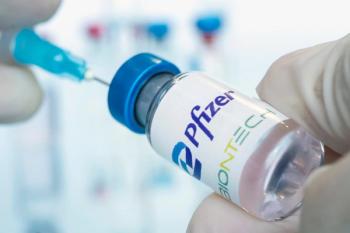
According to phase 3 trial results, Pfizer-BioNTech’s LP.8.1-adapted COVID-19 vaccine demonstrated significant immune responses in older adults and individuals at high risk for severe COVID-19.

The 21-valent pneumococcal conjugate vaccine (PCV21) elicited favorable immunogenicity and safety in infants and toddlers who were coadministered common pediatric vaccines, such as the measles-mumps-rubella vaccine.

E. Camille Vaughan, MD, MS, highlights how pharmacists can build patient trust, encourage vaccination, and use simple strategies to spark conversations with hesitant individuals.

In combination with lipid-lowering therapy, inclisiran allowed patients with hypercholesterolemia to reach their low-density lipoprotein cholesterol (LDL-C) goals without associated muscle-related adverse events.

Joshua K. Sabari, MD, highlights pharmacists’ roles in coordinating access, financial assistance, and early adverse effect management for patients starting zongertinib (Hernexeos).

Joshua K. Sabari, MD, explains zongertinib’s (Hernexeos) favorable safety profile and quality-of-life benefits over intravenous antibody-drug conjugates in patients with HER2-mutated non-small cell lung cancer (NSCLC).

E. Camille Vaughan, MD, MS, addresses how state-level differences and potential new prescription requirements could impact patient access to COVID-19 vaccines this fall.

The trial results, which showed baxdrostat significantly reduced mean seated systolic blood pressure in uncontrolled hypertension, were presented at the 2025 European Society of Cardiology Congress.

Both cemdisiran alone and combined with pozelimab improved the Myasthenia Gravis Activities of Daily Living score in patients with generalized myasthenia gravis.

Joshua K. Sabari, MD, discusses how zongertinib’s inclusion in the National Comprehensive Care Network (NCCN) guidelines represents a game-changing second-line treatment for HER2-mutant non-small cell lung cancer (NSCLC).

Susan Cantrell, RPh, MHL, CAE, CEO of the Academy of Managed Care Pharmacy (AMCP), warns that politicizing the Advisory Committee on Immunization Practices (ACIP) could undermine vaccine trust.

E. Camille Vaughan, MD, MS, highlights the key role pharmacists play in providing clear, trusted guidance for patients seeking COVID-19 vaccines this fall.

Azelastine, commonly used in nasal sprays to combat allergies, was found to reduce the incidence of SARS-CoV-2 among healthy controls in a phase 2 trial.

Allison Hill, PharmD, RPh, highlights the need for pharmacists to leverage resources, collaborate with other providers, advocate on social media, and support rural communities with limited access to care.

A retrospective analysis found widespread lack of low-density lipoprotein cholesterol (LDL-C) goal attainment, posing risks for those at very high cardiovascular risk.

Susan Cantrell, RPh, MHL, CAE, highlights the Equitable Community Access to Pharmacy Services (ECAPS) Act as the top federal priority to preserve pharmacists’ authority in testing, treatment, and immunization services.

Greater effectiveness was seen in children 1 year and older.

Allison Hill, PharmD, RPh, discusses how rapid changes in vaccine schedules and state-level authority highlight the importance of the American Pharmacists Association's advocacy.

Susan Cantrell, RPh, MHL, CAE, CEO of the Academy of Managed Care Pharmacy, stresses the importance of listening, empathy, and science-based communication in pharmacists’ efforts to guide patients through vaccine decisions.