

Samantha Picking, PharmD, highlights pharmacists’ leadership in immunization initiatives, public health collaborations, and the evolving role of community pharmacy in preventive care.

Luke Halpern is an associate editor with Pharmacy Times. Luke wrote for Pharmacy Times in the summer of 2023 and assumed a full-time role in June 2024. His work has been featured in Pharmacy Times and the American Journal of Managed Care. He graduated from the University of Massachusetts, Amherst, in May 2024.
Samantha Picking, PharmD, highlights pharmacists’ leadership in immunization initiatives, public health collaborations, and the evolving role of community pharmacy in preventive care.

New research highlights the enhanced humoral response in lymphoma survivors receiving two doses of the PCV20 vaccine, emphasizing vaccination's critical role in infection prevention.

Although long COVID remains a complex disease, pharmacists are critical team members for patient symptom validation, managing polypharmacy, and navigating therapy access.
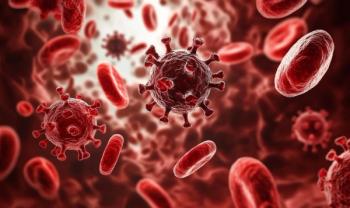
When administering T-cell–modifying therapies, infections during and after treatment are a serious and pertinent risk.

Infectious disease experts provide the latest updates in RSV, pneumococcal disease, whooping cough, and multidrug-resistant tuberculosis.

Experts outline innovative approaches to reduce inequities in diagnostic access and optimize patient outcomes.

From embedded PrEP care to rapid outbreak response logistics, new models are showing how pharmacists can establish successful public health partnerships to enhance patient access and equity.

Increasing vaccine confidence demands that pharmacists move beyond simply sharing facts to utilizing effective communication strategies.

Samantha Picking, PharmD, outlines how Walgreens enhances immunization access through digital innovation, patient engagement, and ongoing pharmacist training.

Pranav Garimella, MBBS, MPH, emphasizes that pharmacists are essential partners in managing chronic kidney disease, ensuring safe medication use, adherence, and coordinated care alongside physicians.

An index of total cholesterol, high-density lipoprotein (HDL), and fasting glucose levels was found to indicate the prevalence of type 2 diabetes in a nationally representative US cohort.

The expanded indications now include adolescents with hidradenitis suppurativa aged 12 and older and pediatrics with uveitis aged 2 and older.

Individuals without a previous heart attack or stroke demonstrated significant cardiovascular risk reduction when treated with evolocumab.

Ron Lanton outlines enforcement uncertainty and downstream effects on biosimilars, specialty drugs, and pharmacy supply chains under most favored nation pricing proposals.

Steven Pipe, MD, highlights the growing importance of pharmacists in hemophilia care as new therapies expand treatment complexity and require specialized expertise.

In a Swedish cohort, young women with symptomatic long COVID were found to be at higher risk of postural orthostatic tachycardia syndrome (POTS), conferring additional burden.

Ron Lanton explains that increased pharmaceutical tariffs could drive up costs, reduce margins, and strain pharmacy supply chains, with few mitigation options available.
ACIP updates COVID-19 vaccine guidance, emphasizing shared decision-making, while addressing safety concerns and access issues for patients and pharmacists.
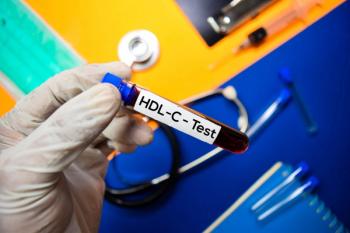
The ratio of high-density lipoprotein cholesterol (HDL-C) to low-density lipoprotein cholesterol (LDL-C) can predict cardiovascular disease (CVD) risk in patients with and without diabetes.

Compared with lower-valent vaccines and PPSV23, higher-valent pneumococcal conjugate vaccines were more cost-effective, especially in high-income countries.

Pharmacists’ medication expertise strengthens clinical care and supports a more collaborative, team-based approach to patient health.

The pharmaceutical giant will reportedly lower its drug prices to align with most-favored-nation status.

A hybrid chatbot that evaluates stages of change in pneumococcal vaccination desires while providing artificial intelligence (AI)-based Q&A opportunities improved uptake in older adults.

Ron Lanton advises pharmacies to maintain compliance, explore contingency options, and stay engaged with policymakers during the government shutdown.

As one of the most prescribed medications worldwide, proton pump inhibitor use could serve as a bulwark against severe outcomes in hospitalized adults with COVID-19.

A retrospective analysis found no associations between lipid parameters and the success of blood stem cell mobilization in a cohort of healthy donors.

Christian Ruff, MD, highlights pharmacists as essential clinical partners who help optimize drug selection, dosing, and safety for patients with complex needs.

Pharmacists’ accessibility and expertise make them essential allies for patients managing weight through medication, Donna Ryan explains.

Vaccination with 23-valent pneumococcal polysaccharide vaccine did not reduce the rates of acute coronary syndrome and ischemic stroke in a randomized clinical trial.
Craig Beavers discusses recent developments in hypertension management and the clinical implications of the Bax Hypertension and KARDIA-3 trials with Shelby Tungate from the UNC Eshelman School of Pharmacy.