

In patients with ST-segment elevation myocardial infarction, lowering low-density lipoprotein cholesterol to optimal levels prevented neoatherosclerosis, a complication following stent implantation.

Luke Halpern is an associate editor with Pharmacy Times. Luke wrote for Pharmacy Times in the summer of 2023 and assumed a full-time role in June 2024. His work has been featured in Pharmacy Times and the American Journal of Managed Care. He graduated from the University of Massachusetts, Amherst, in May 2024.
In patients with ST-segment elevation myocardial infarction, lowering low-density lipoprotein cholesterol to optimal levels prevented neoatherosclerosis, a complication following stent implantation.

A series of workplace factors were found to increase the risk of long COVID, including close contact with colleagues and commuting through public transportation.

The novel agent has demonstrated efficacy in symptomatic and less severe patients with obstructive hypertrophic cardiomyopathy in thorough phase 3 clinical trials.

Serotypes included in the pneumococcal 21-valent conjugate vaccine (PCV21) cause outsized disease and economic burden in Norwegian patients with pneumococcal disease.

COVID-19 vaccination significantly lowers severe illness and preterm birth risks for pregnant individuals.

FDA approves Fesilty, a new fibrinogen concentrate, offering hope for effective treatment of congenital fibrinogen deficiency and acute bleeding episodes.

Previously approved for patients 12 years and older, berotralstat now gives younger patients a treatment option to manage sudden hereditary angioedema attacks.

The FDA has approved etripamil as the first and only self-administered nasal spray for adults with paroxysmal supraventricular tachycardia (PSVT), offering a rapid, effective treatment that can be used outside of health care settings.

New findings highlight the need for pneumococcal booster vaccinations in children with sickle cell disease to maintain immunity and prevent serious complications.

Asundexian shows promise in reducing ischemic stroke risk without increasing major bleeding, offering hope for secondary stroke prevention.

Teclistamab combined with daratumumab and hyaluronidase shows significant efficacy in relapsed multiple myeloma, potentially redefining treatment standards.

Explore the advancements and challenges of allogeneic CAR T-cell therapies, including immune rejection and innovative engineering strategies for cancer treatment.

Specialty pharmacy services are helping improve IBD care by supporting patient education, access, and confidence in biosimilars

Pharmacists play a vital role in preventing maternal and neonatal mortality by understanding pregnancy-specific medication needs and emergency care strategies.

Fitusiran and concizumab are transforming treatment options and patient outcomes in hemophilia A and B with or without inhibitors.
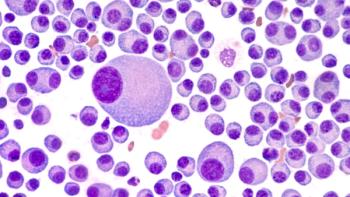
Pharmacists play a crucial role in optimizing CAR-T therapy outcomes by guiding bridging therapy decisions and enhancing patient safety through proactive collaboration.

Pharmacists enhance multiple myeloma care by managing cytokine release syndrome and advocating for safe vaccination strategies at ASH 2025.

Experts discuss the complexities of gene therapy for sickle cell disease, emphasizing patient support, psychosocial factors, and long-term care considerations.

New research reveals that effective bridging therapy before cilta-cel infusion significantly enhances safety and long-term outcomes in patients with multiple myeloma.
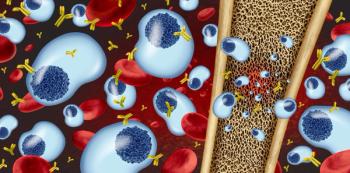
In an analysis of the intention-to-treat population of the BENEFIT study, investigators demonstrated improved sustained minimal residual disease negativity with the Isa-VRd regimen in newly diagnosed multiple myeloma (NDMM).

Experts at the ASH Annual Meeting and Exposition in Orlando, Florida, explored innovative strategies and treatments for improving outcomes in diffuse large B-cell lymphoma.

The American Society of Hematology (ASH) Annual Meeting and Exposition will feature the latest news, clinical trial updates, and key opinion leaders in the hematology field.
The Advisory Committee on Immunization Practices (ACIP) voted to recommend individual-based decision-making for parents when deciding when or if to give their child the birth dose of the hepatitis B virus vaccine.

Shivang Joshi, MD, MPH, RPh, FAHS, highlights Symbravo’s non-substitutability, multi-mechanistic design, and key safety considerations for pharmacists across care settings.

Implementing a best practice advisory into physicians’ electronic health records improved lipid therapy initiation and diagnoses of hyperlipidemia and hypercholesterolemia.

Shivang Joshi, MD, MPH, RPh, FAHS, outlines essential counseling points on dosing, timing, contraindications, and rebound headache risks when dispensing Symbravo.
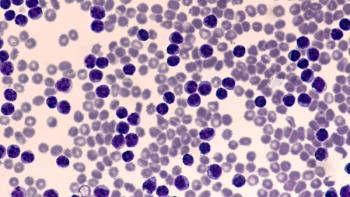
Pirtobrutinib’s indication was expanded for patients with chronic lymphocytic leukemia or small lymphocytic lymphoma, allowing for treatment in earlier lines of therapy.

The pneumococcal 13-valent conjugate vaccine (PCV13) was effective at preventing pneumococcal lower respiratory tract infection (LRTI) in older patients from Thailand.

A 3-month resistance exercise program helped improve walking distance, grip strength, and other parameters of physical health in patients with long COVID.

Shivang Joshi, MD, MPH, RPh, FAHS, discusses how Symbravo’s multimechanistic fixed-dose design may address gaps in acute migraine therapy for patients who do not respond to single-agent treatments.