

A large retrospective study funded by the CDC indicates broad additional protection against COVID-19, especially for older adults and immunocompromised patients.

Luke Halpern is an associate editor with Pharmacy Times. Luke wrote for Pharmacy Times in the summer of 2023 and assumed a full-time role in June 2024. His work has been featured in Pharmacy Times and the American Journal of Managed Care. He graduated from the University of Massachusetts, Amherst, in May 2024.
A large retrospective study funded by the CDC indicates broad additional protection against COVID-19, especially for older adults and immunocompromised patients.
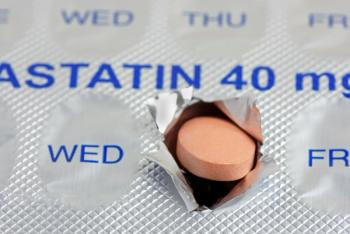
Statins such as simvastatin do not have additional antidepressive effects in combination with standard escitalopram treatment in patients with comorbid major depressive disorder (MDD) and obesity.

Receiving a COVID-19 vaccination vastly reduced the risk of long-term hospitalization, necessitating dialysis, and morbidity in patients hospitalized with acute kidney injury related to SARS-CoV-2 infection.
Adam James, PharmD, and Chris Altman, PharmD, discuss renewed public scrutiny of thimerosal, its limited use in vaccines today, and how new guidance may affect pharmacists and patient confidence moving forward.

Millions of seniors and Medicare beneficiaries managing chronic conditions have new options for medication delivery and adherence support.

The fibroblast growth factor receptor 2b (FGFR2b)-inhibiting bemarituzumab demonstrated improvements in overall survival and other key secondary end points compared with placebo in first-line gastric cancer.

Debra Patt, MD, PhD, MBA; and Houston Holmes, MD, discuss the ramifications of the FDA's removal of REMS requirements for approved chimeric antigen receptor (CAR) T-cell (CAR T) therapies.

Patients with inflammatory rheumatic diseases may have a protective effect against serious COVID-19 outcomes once they receive a pneumococcal vaccination.

Previously indicated to reduce the risk of end-stage kidney disease, cardiovascular death, and hospitalization for heart failure (HF) in chronic kidney disease, finerenone is now approved for patients with HF directly, offering a new treatment option.

Complete response letters, which indicate reasons why a drug could not be approved in its current form, offer insightful information to drug developers on the inner mechanisms of the FDA’s approval process.

Gustavo Alva, MD, a board-certified psychiatrist, discusses the importance of mental health awareness among pharmacists and patients.

By closing the gap on patients who are recommended lipid-lowering therapies but do not receive them, researchers say that thousands of cardiovascular events could be prevented and billions of dollars would be saved.

mRNA-1273, marketed as Spikevax by Moderna, is now fully approved for individuals aged 6 months through 64 years with high-risk features for severe COVID-19.

In a community of older adults, initiating a pneumococcal vaccination support program reduced annual pneumonia-related mortality by 25%, demonstrating broad public and individual health benefits.
The lawsuit alleges that Health and Human Services (HHS) Secretary Robert F. Kennedy Jr. violated the law when issuing new guidance for COVID-19 vaccination.

Experts discussed the promising future of pericarditis treatment.

The new formulation contains little IgA, reducing possible risks associated with infusion in patients with primary immunodeficiency.

Sunvozertinib becomes the first and only targeted approval treatment for patients with non-small cell lung cancer (NSCLC) harboring epidermal growth factor receptor (EGFR) exon 20 insertion mutations.

Stroke, myocardial infarction, and all-cause death were included in the composite of adverse cardiovascular events.

Six months following discharge from the hospital, adults who battled community-acquired pneumonia were at heightened risk of losing the ability to perform activities and experiencing poor quality of life.

Lung transplant recipients were found to be at heightened risk of developing secondary lung infections, including bacterial and fungal infections, due to unique risk factors.
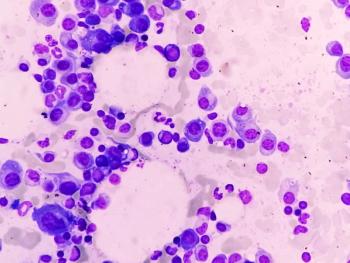
The treatment becomes the first approved BCMAxCD3 bispecific antibody with the potential to achieve biweekly or monthly dosing in patients with relapsed/refractory multiple myeloma.

Pharmacists and clinicians collaborate to carefully manage rilonacept therapy.

FDA removes REMS for CAR T-cell therapies, enhancing patient access while ensuring safety in cancer treatment.

Across 3 different manufacturing lots, V116 (21-valent pneumococcal conjugate vaccine) demonstrated consistent immunogenicity and efficacy against S pneumoniae, which causes pneumococcal diseases.

The FDA approves emapalumab-lzsg as the first treatment for macrophage activation syndrome in Still disease, offering a new treatment approach for patients with the rare condition.

With the Advisory Committee on Immunization Practices recommending that adults receive thimerosal-free influenza vaccines, the preservative that was phased out of most childhood vaccines in 2001 has reentered the public eye.

Intravenous immunoglobulin (IVIG) use over an extended period in patients with chronic inflammatory demyelinating polyneuropathy (CIDP) was potentially associated with a reduced incidence of cancer over time, although more research is necessary.
The Advisory Committee on Immunization Practices (ACIP) voted 5-1, with 1 voter abstaining, to recommend that adults receive seasonal influenza vaccines that do not contain the preservative thimerosal.

Explore the latest FDA-approved novel drugs transforming treatment options for various conditions, enhancing patient care and outcomes in community and specialty pharmacy.