A 5-level model for classifying AI-enabled pharmacy systems may help health systems advance to new levels of pharmacy autonomy.

Gillian McGovern is an editor at Pharmacy Times®. She graduated from Rowan University in 2023 with a BA in Writing Arts and concentrations in Publishing & Writing for the Public, Technical & Professional Writing, and Creative Writing.
A 5-level model for classifying AI-enabled pharmacy systems may help health systems advance to new levels of pharmacy autonomy.
This episode covers the importance of considering vaccine timing, selection, and hesitancy in patients on immunomodulating and immunosuppressive therapies, along with emerging data linking several vaccines to reduced dementia risk.

Melissa Seifert, PharmD, of UPMC Health Plan, explains how managed care pharmacists guide DMT selection and address adherence barriers in patients with MS.

A clinical pharmacy specialist at UPMC Health Plan discusses how pharmacists help select disease-modifying therapies, address adherence barriers, and coordinate whole-person care for those with MS.

The podcast will cover relevant areas in psychiatry, new literature and clinical data, new drugs, and other topics that are coming down the pipeline.
In this new show, host Megan Maroney, PharmD, BCPP, FAAPP, will examine therapies, trends, and clinical decisions shaping care for psychiatric conditions.

The approval is supported by clinical data from 2 studies.

The therapy is administered via an intratumoral injection every 2 weeks for 8 consecutive doses.

Jessica Lewis-Gonzalez, PharmD, BCOP, discusses how pharmacists can layer mediator-symptom management with cytoreductive or targeted therapy in systemic mastocytosis (SM) and interdisciplinary communication.

The approval clears the way for a new vaccine option for older adults ahead of the 2026-2027 flu season.
Guest Jenelle Montgomery, PharmD, BCACP, CPP, joins Erica Marini to review key updates from the 2026 Consortium of Multiple Sclerosis Centers Annual Meeting.

Although the FDA committee's vote does not change what is currently legally available, it signals where the regulatory landscape is heading in the future.
Agitation associated with Alzheimer disease carries clinical challenges, and Auvelity's approval can reshape treatment selection, safety monitoring, and the pharmacist's role.

Erica Marini, PharmD, MS, BCPS; and Millad Sobhanian, PharmD, BCPS, unpack Auvelity's approval, efficacy data, and safety profile for treating agitation in Alzheimer disease.

Hackensack Meridian Health uses a multifaceted approach to diversion auditing and DEA/state reporting requirements, and is beginning to integrate artificial Intelligence (AI) to shift surveillance from a reactive to a proactive process.

Deepika Nayyar outlines how HMH built a multidisciplinary drug diversion prevention program and shares the core elements any institution needs to detect and respond to diversion effectively.

The review combines mechanistic and real-world evidence to guide health care professionals through different scenarios in the MS treatment space.

The autoinjector provides an accessible, at-home option for patients with chronic kidney disease or heart failure who need treatment for fluid buildup.

As 2026 wildfire smoke from Canada blankets the US, pharmacists can facilitate early refills, counsel on protective measures, and help patients understand when worsening symptoms require emergency care.

Erica Marini, PharmD, MS, BCPS, the host of "Mind the Meds," discusses the show's format, guest conversations, and upcoming episodes covering CAR T therapy and a Consortium of Multiple Sclerosis Centers Annual Meeting roundup.

A new toxicological risk assessment builds on 2024 findings that raised consumer concern, offering pharmacists reassuring data to share with patients.

The new drug application's submission is supported by data from the phase 3 clinical studies SynAIRgy and LunAIRo.

Pharmacists proactively identify red flags for early detection, navigate complex insurance and access barriers for high-cost disease-modifying therapies, and serve as educators across settings.

If approved, AXS-12 would be a potentially valuable new option for a symptom that significantly impairs the daily functioning of those with narcolepsy.

The approval of the drug combination is supported by findings from the phase 3 VIKTORIA-1 clinical trial.
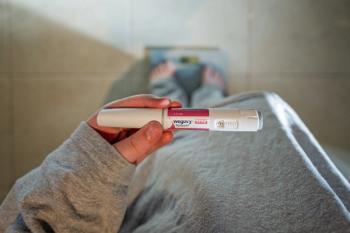
This FAQ breaks down which drugs are covered by the program, who qualifies, how to process claims correctly, and what pharmacists need to know to counsel patients through this landmark shift in obesity drug access.

This approval marks the first time patients can begin treatment with home administration either by themselves or their caregiver.

Kasey Malotte, PharmD, BCPS, discusses the new credential’s strengths and areas for growth as well as why a stronger training ecosystem is necessary for long-term impact.

The regimens are pembrolizumab plus enfortumab vedotin-ejfv (EV) and pembrolizumab with berahyaluronidase alfa-pmph and EV.

Ennumo is approved for the same indications as its reference product, Neulasta (pegfilgrastim).