

The indication is for the treatment of adult and pediatric patients who weigh at least 30 kg.

Gillian McGovern is an editor at Pharmacy Times®. She graduated from Rowan University in 2023 with a BA in Writing Arts and concentrations in Publishing & Writing for the Public, Technical & Professional Writing, and Creative Writing.
The indication is for the treatment of adult and pediatric patients who weigh at least 30 kg.

The approval is supported by findings from the MK-3475A-D77 study.
Additionally, the FDA granted a provisional interchangeability designation to both biosimilars.

Cemiplimab was also superior in improving progression-free survival, objective response rate, and duration of response in patients with non–small cell lung cancer (NSCLC).

In a recent study, machine learning demonstrated its ability to predict progression to end-stage renal disease among patients with chronic kidney disease (CKD).
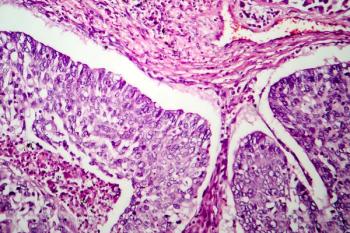
When combined with an anti–PD-L1 therapy, tarlatamab significantly improves overall survival in patients with extensive-stage small cell lung cancer (ES-SCLC).

A panel of 4 experts discussed the most favored nation (MFN) initiative and its impacts on research and development, market and payer distributions, and pharmacists and patients.

The findings were presented at the 2025 American Heart Association Hypertension Scientific Sessions and published in the Journal of the American Society of Nephrology.

Patients with inflammatory bowel disease (IBD) who switched to the biosimilar reported adverse events, but these are believed to stem from health anxiety.

Investigators emphasize that early cardiovascular risk assessments and preventive strategies are necessary for women with polycystic ovarian syndrome (PCOS).

The treatment was generally well-tolerated in patients with ROS1-positive (ROS1+) non–small cell lung cancer (NSCLC).

The 2 abstracts, which were presented at the European Society of Cardiology 2025 Congress, utilized data from the CDC WONDER database.

Pavblu, a biosimilar to Eylea, also showed no clinically meaningful differences in efficacy, safety, and immunogenicity in patients with neovascular age-related macular degeneration (nAMD).

A chief pharmacy officer emphasizes the vital role of pharmacists in enhancing patient care, advocating for recognition, and integration within health care systems.

Compared with docetaxel, adagrasib shows significant progression-free survival (PFS) benefits in patients with non–small cell lung cancer (NSCLC).

FDA approves a new extended-release suspension formulation of risperidone for schizophrenia, expanding treatment options for patients.

Compared with rivaroxaban, abelacimab significantly lowered bleeding risk in patients with atrial fibrillation regardless of kidney function.

This decision is believed to redefine how biological drugs will be developed, approved, and made affordable for patients.

The approval of 2 denosumab biosimilars, Bildyos and Bilprevda, enhances access to affordable bone health treatments for patients.

The subcutaneous injection for maintenance treatment enhances accessibility and reduces infusion time for patients.

Future research should focus on optimizing drug design, mitochondrial biogenesis regulation, and establishment of treatments for acute kidney injury (AKI).

The action is supported by 3 ongoing clinical trials, which are evaluating izalontamab brengitecan (iza-bren) in non–small cell lung cancer (NSCLC) and other diseases.

The FDA updated sparsentan's REMS, easing monitoring requirements, enhancing treatment access for IgA nephropathy patients, and supporting kidney function preservation.
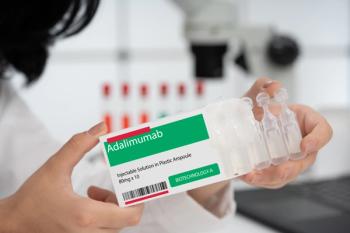
Biosimilars can be a more affordable and accessible treatment option for patients with rheumatoid arthritis (RA) and psoriatic arthritis (PsA).

Oral selective estrogen receptor degraders (SERDs) are a promising line of treatments for patients with breast cancer.

The action is significant for patients with extensive-stage small cell lung cancer (SCLC), a population with limited treatment options.
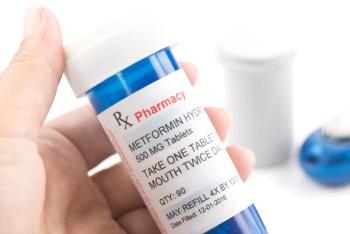
If long-term efficacy results are positive, metformin can become an accessible, affordable treatment option for autosomal dominant polycystic kidney disease (ADPKD).
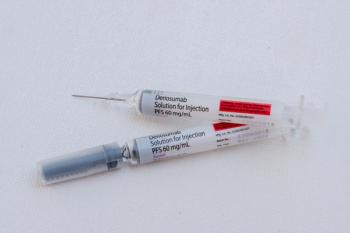
When treating patients with bone metastases, the biosimilar demonstrated equivalent safety and efficacy to its reference product.
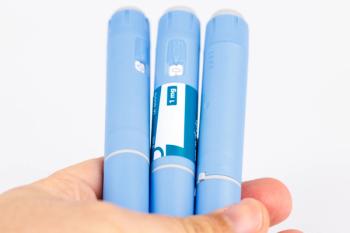
A new biosimilar, LY05008, shows comparable efficacy and safety to dulaglutide in managing type 2 diabetes mellitus (T2DM) in Chinese adults.

New research confirms that switching from tocilizumab to its biosimilar, Avtozma, maintains efficacy and safety in patients with rheumatoid arthritis (RA).