

Launching sustainable, effective CGT programs requires a road map for strategy, operations, access, finance, quality, and pharmacy.

Gillian McGovern is an editor at Pharmacy Times®. She graduated from Rowan University in 2023 with a BA in Writing Arts and concentrations in Publishing & Writing for the Public, Technical & Professional Writing, and Creative Writing.
Launching sustainable, effective CGT programs requires a road map for strategy, operations, access, finance, quality, and pharmacy.

Milsaperidone is indicated for acute treatment of manic or mixed episodes associated with bipolar I disorder and the treatment of schizophrenia in adults.
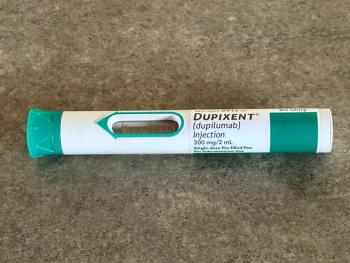
VOYAGE trial data show dupilumab improves pediatric asthma control and lowers exacerbations versus placebo, with higher remission and lung function gains earlier.

Phase 2 trial data support the safety and efficacy of remibrutinib in adults with peanut allergy.

Data show the peanut allergy sublingual immunotherapy (SLIT) tablet is well-tolerated across ages, offering promising sublingual immunotherapy desensitization with manageable adverse effects.

AAAAI 2026 highlights STMC-103H live biotherapeutic, showing reduced atopic disease risk in at-risk infants—potentially an early microbiome intervention for atopic dermatitis and food allergy.
![Patient with hives (chronic spontaneous urticaria [CSU]) -- Image credit: suriya | stock.adobe.com](https://cdn.sanity.io/images/0vv8moc6/pharmacytimes/f7c28cd2ba0b3498c4a0de7219e357228265f4ac-5472x3648.jpg?w=350&fit=crop&auto=format)
Remibrutinib, an oral Bruton tyrosine kinase inhibitor for chronic spontaneous urticaria (CSU), delivers itch and hive relief within 12 hours and sustains improvements through week 1.

Data presented at AAAAI 2026 show tapinarof cream improves sleep for children as young as 2 years with atopic dermatitis, easing nighttime disruption.

The approval is supported by findings from the phase 1 Beamion LUNG-1 clinical trial.

The approval for the oral, fixed-duration chronic lymphocytic leukemia (CLL) regimen was based on results from the phase 3 AMPLIFY trial.

Study authors suggest that VA and health care professionals should educate patients on the medical evidence, gaps, policies, and laws related to cannabis.

With this action, dupilumab has become the first and only FDA-approved treatment for allergic fungal rhinosinusitis.

The authors urge air quality interventions to promote and support dementia prevention strategies.

A pressure vibration device can cut propofol injection pain in patients undergoing surgeries, matching low-dose ketamine without extra adverse events.

The biosimilar is a cost-effective treatment for patients with conditions caused by cancer treatment.

Universal aspirin at the first prenatal visit lowers severe preeclampsia rates in high-risk pregnancies, delaying onset without raising hemorrhage or placental abruption risk.

ALZ-801, an oral anti–amyloid oligomer therapy, shows cognitive, functional, and brain-volume benefits in the mild cognitive impairment (MCI) stage of Alzheimer disease, with supportive biomarkers and no edema risk.

Both formulations were also well-tolerated and withdrawal was rare.

The label change removes boxed warnings of cardiovascular disease, breast cancer, and probable dementia from certain hormone replacement therapy products.

The Break Up Big Medicine Act aims to address structural conflicts of interest.

The updates allow for patients of reproductive age to complete pregnancy tests at home during or after treatment.

The most pronounced association was observed when individuals consumed 2 to 3 cups of caffeinated coffee per day.

Intranasal ketamine may remain a potentially viable treatment method for acute pain.

The HHS secretary overstated preliminary research showing the benefits of a keto diet in patients with schizophrenia who remain adherent to medications.

In addition to increased prevalence, the age of diagnosis has also decreased.

Study results suggest young participants who survived cancer have difficulty in areas such as memory, attention, and ability to process information compared with those who did not have cancer.
The FDA cited human factors unrelated to the drug's efficacy as the reason for rejection.

The authors suggested that future research investigate emerging blood-based biomarkers and explore temporal associations between sleep duration and Alzheimer disease biomarker changes.

The FDA prioritizes centanafadine's review for ADHD treatment, offering a novel, once-daily oral option for diverse patient needs.

CMS announces the selection of 15 high-cost drugs for Medicare price negotiations, aiming to reduce prescription costs for older adults and taxpayers.