

Conference Coverage
Latest News

Apr 01, 2026 | Commentary
The Quiet Consolidation of Pharmacy Data

FDA Approves Orforglipron, First GLP-1 Pill Without Time, Food, or Water Restrictions
Apr 01, 2026

FDA Approves Higher-Dose Regimen of Nusinersen for Spinal Muscular Atrophy
Apr 01, 2026

Intermittent Fasting Yields Comparable Weight Loss Outcomes With Standard Dieting
Apr 01, 2026
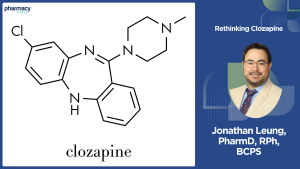
Rethinking Clozapine: Why Early Awareness Matters in Treatment-Resistant Schizophrenia
Apr 01, 2026



Advertisement
Shorts

0:29
Raising Awareness for Women's Cardiovascular Care
8 hours ago
by
Alexandra Gerlach, Content Producer(+1 more)

0:38
2026 Guideline Updates for Dyslipidemia
a day ago
by
John Bucheit, PharmD, BCACP(+1 more)

2:18
Clarify When Patients Truly Need Antiseptic Cleansers
2 days ago
by
Nadia Ahmad, PharmD(+1 more)

1:27
Beyond CRS and Neurotoxicity: Underappreciated Adverse Events With Bispecific T-Cell Engagers
6 days ago
by
Megan May, PharmD, BCOP, FHOPA, FAPO(+2 more)

1:04
Making Evidence-Informed Decisions When irAE Data Falls Short
6 days ago
by
Emma Jones, PharmD, BCOP(+1 more)

1:16
The Truth About Vaccine Preservatives and Safety
8 days ago
by
Sharon Nachman, MD(+1 more)

2:33
Help Patients See Through Misleading Skin Care “Hacks”
9 days ago
by
Nadia Ahmad, PharmD(+1 more)

0:25
Inside Anti-Doping: What Elite Athletes Need to Know About USADA Responsibility
12 days ago
by
Tabitha Peterson, PharmD(+1 more)

0:27
FDA Approves New Oral Peptide for Plaque Psoriasis
13 days ago
by
Linda Stein Gold, MD(+1 more)

1:00
Eczema Is Not Just Dry Skin, It's a Systemic Issue
15 days ago
by
Jessica Hui-Beckman, MD(+1 more)
Podcasts

Videos




Continuing Education















Advertisement
All News
Advertisement

Explore OTC case studies focused on pain management.

Selinexor plus ruxolitinib significantly improved spleen volume reduction in JAK inhibitor–naive myelofibrosis, supporting its potential as a novel frontline combination strategy.

Martinez Sanchez describes early signs of Parkinson disease, how treatment adapts, and how ambulatory pharmacists fine-tune treatment, adherence, and hope amid new therapies.

Clinical pharmacist specialists emphasized the pharmacist's role closing the gap between guideline recommendations and patient access to CGMs and automated insulin delivery.

In a phase 2a trial, the oral NLRP3 inhibitor VTX3232 significantly reduced systemic and liver inflammation markers—including hsCRP and IL-6—independent of weight loss, suggesting a promising new approach to lowering cardiovascular risk in patients with obesity.
A phase 3 trial found that the oral PCSK9 inhibitor enlicitide significantly outperformed existing oral therapies in lowering LDL cholesterol.
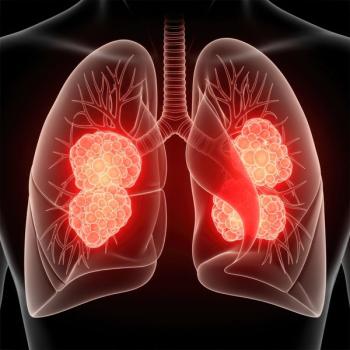
New research identifies caspase-8 loss as a key driver of inflammatory reprogramming and tumor recurrence in small cell lung cancer.
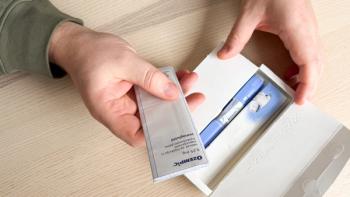
From a pipeline exploding with oral and injectable options to emerging evidence in liver disease, substance use disorder, and kidney disease, Emily Eddy, PharmD, laid out the full scope of incretin therapy's expanding reach at APhA 2026.


New data show that pharmacist-led interventions in independent community pharmacies can move the needle on A1C, blood pressure, and stroke risk, even in rural and underserved settings.
Advertisement


The trial's success offers the first robust evidence for targeted pharmacologic intervention in adolescent oHCM.


For decades, the medical community has operated under a reactive model for the most potent cholesterol-lowering drugs, largely reserving them for secondary prevention.

At APhA 2026, Damika Walker, PharmD, RPh, argued that closing stubbornly low adult vaccination rates requires a shift in how pharmacists approach every patient encounter.

The findings emphasize that when it comes to the complex machinery of human blood pressure, more drug is not always better.
With updated recommendations for adults aged 50 and older, pharmacy teams are uniquely positioned to bridge gaps in care through community engagement and proactive clinical assessments.

A community-based initiative is proving that the path to heart health for Black men may not start in a physician’s office, but in the barber’s chair.

Historically, dulaglutide was a preferred choice because it was proven to reduce major adverse cardiovascular events in the REWIND trial.
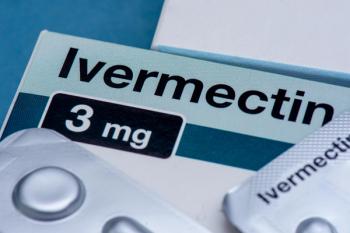
Ivermectin, fenbendazole, and mebendazole have gained traction as alternative cancer therapies despite a lack of clinical evidence.

The RECOVER-AUTONOMIC trial underscores the necessity of better clinical end points to assess interventions in the long COVID population.

CHAMPION-AF may potentially lead to a shared decision-making process between a lifetime of medication and a one-time catheter-based procedure.

Advertisement
Advertisement
Trending on Pharmacy Times
1
FDA Approves Orforglipron, First GLP-1 Pill Without Time, Food, or Water Restrictions
2
Fluvoxamine Significantly Reduces Long COVID Fatigue in Landmark Randomized Trial
3
Sleep Apnea as a High-Risk Comorbidity in HFpEF
4
SENTRY Trial Data Demonstrate Significant Spleen Volume Reduction With Selinexor in Myelofibrosis
5