

Opinion|Videos|April 1, 2026
Pharmacist-Led Strategies to Improve Identification and Uptake of CDK4/6 Inhibitors in Breast Cancer
Five-year NATALEE updates show ribociclib boosts invasive disease-free survival in broader early breast cancer risk groups, guiding therapy choice.
Advertisement
Episodes in this series
In Pharmacist-Led Strategies to Improve Identification and Uptake of CDK4/6 Inhibitors in Breast Cance, our panel delves into the following critical questions:
How are pharmacists identifying patients who are eligible for CDK4/6 inhibitors and how are you best communicating this to providers?
How can pharmacists get patients and providers to buy into these therapies?
Led by Rose DiMarco, PharmD, the breast cancer panelists discuss pharmacists playing a critical role in identifying patients who are eligible for CDK4/6 inhibitors in the early breast cancer setting by reviewing medical records, assessing risk factors, and monitoring adherence to guideline-recommended criteria. They often collaborate closely with oncologists and care teams to ensure eligible patients are considered for therapy and that any potential barriers to treatment are addressed. Communication with providers is key, and pharmacists have found that presenting clear, evidence-based summaries of trial data—along with individualized patient risk profiles—can help facilitate informed discussions. Faculty highlighted strategies to encourage both patients and providers to buy into these therapies, including patient education, shared decision-making, and emphasizing the long-term survival benefits observed in clinical trials. Despite this, CDK4/6 inhibitors remain underutilized, with studies indicating that on
Throughout the conversation, the experts provide a comprehensive reflection on the field and the factors that may shape how clinicians approach care moving forward.
Our next episode, CDK4/6 Inhibitors in Metastatic Breast Cancer: Approvals and Clinical Considerations, further explores the FDA-approved CDK4/6 inhibitors for metastatic breast cancer and the pivotal clinical trials that supported their regulatory approval. Faculty also discuss the use of these agents in patients with visceral crisis, including available evidence and clinical considerations for this high-risk population.
Advertisement
Related to this article
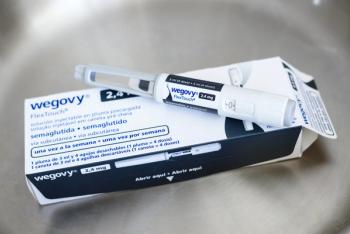
Post hoc STEP UP data at EASD 2026 show liver fat fell from 8.8% to 3.1% at 72 weeks in a 55-person MRI subgroup, though no placebo comparison was reported.

Despite the controversy surrounding mRNA's role in the COVID-19 response, the technology's broader promise—to prevent, treat, and even cure a host of diseases—is coming into focus.
Age is the leading factor in influenza vaccine selection, and vaccination remains effective well beyond the ideal September-to-October window.

As Pharmacy Technician Day approaches, the CEO of the Pharmacy Technician Certification Board argues that real recognition means career ladders, consistent scope regulations, and investment in certification.

William J. Peppard, PharmD, explains how emerging suzetrigine findings after knee arthroplasty connect opioid stewardship with functional recovery and the pharmacist’s role in ensuring treatment access.

Tor Härnqvist, MD, discusses immune testing after invasive pneumococcal disease, serotype-informed vaccine selection, and pharmacists' role in supporting patients on immunoglobulin therapy.

In adults with type 2 diabetes at high cardiovascular (CV) risk, the oral GLP-1 RA also improved HbA1C and weight, with less hypoglycemia but more GI events.
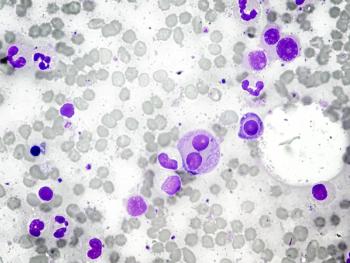
In an interview with Pharmacy Times, LINKER-SMM1 study investigator Paula Rodríguez-Otero, MD, PhD, a hematologist at Clínica Universidad de Navarra in Pamplona, Spain, explains how researchers selected high-risk patients and how she weighs infections against the potential to prevent progression to active disease.
Advertisement
Advertisement
Trending on Pharmacy Times
1
Butter, Beef Tallow, and LDL: Where Dietary Guidelines Diverge
2
Why Patients Fear Statins Will Affect Their Memory
3
Suzetrigine After Knee Replacement: Are Fewer Opioid Prescriptions Enough?
4
Orforglipron Shows CV Safety vs Insulin Glargine in ACHIEVE-4
5