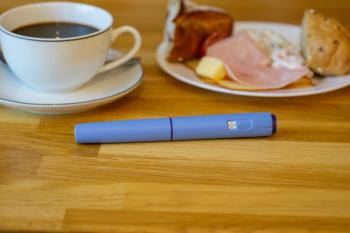
REDEFINE 1 analyses presented at The Menopause Society 2026 meeting found mean weight loss of 23.1% to 26.7% across pre-, peri-, and postmenopausal women.
A community-based initiative is proving that the path to heart health for Black men may not start in a physician’s office, but in the barber’s chair.
In the familiar social atmosphere of the neighborhood barbershop, a new kind of life-saving transformation is taking place. According to groundbreaking data presented at the American College of Cardiology 2026 Scientific Sessions (ACC.26), a community-based initiative is proving that the path to heart health for Black men may not start in a physician’s office but in the barber’s chair.1
The results of the study, led by Joseph E. Ravenell, MD, MS, and his team at New York University Grossman School of Medicine, highlight a significant breakthrough in addressing one of the most persistent health disparities in the United States. Black men face a disproportionately high burden of hypertension, a “silent killer” often exacerbated by systemic social barriers and limited access to traditional health care.2 To bridge this gap, researchers developed the Community-to-Clinic Linkage Implementation Program (CLIP), a community health worker–driven initiative designed to prevent the onset of high blood pressure.1
Although previous research data have demonstrated that barbershops are effective locations for treating and controlling existing hypertension, the CLIP study represents the first rigorous test of whether these community hubs can be used for prevention.
“Barbershops are effective sites to increase awareness, treatment, and control of hypertension among Black men,” the researchers noted, adding that the effect of such programs on preventing the disease had remained largely untested until now.1
The trial, a cluster randomized controlled trial, focused on 22 barbershops across Staten Island, New York. Researchers enrolled 430 Black men who presented with elevated blood pressure or untreated stage 1 hypertension, based on the 2017 ACC/American Heart Association guidelines. The participant demographics underscored the program’s necessity: The mean age was just 38 years, yet 74% of participants had less than a high school education, only 51% had health insurance, and a mere 24% had a regular primary care doctor.1
The core of the CLIP study was to determine the most effective way to implement this health intervention. The 22 shops were divided into 2 groups to compare implementation strategies. The barbershop facilitation–guided support model involved 11 shops receiving direct, ongoing assistance to implement the CLIP program. The other 11 shops used a self-directed strategy, in which participants received the necessary information to implement CLIP but lacked a dedicated facilitator. The program itself was comprehensive, using community health workers to provide blood pressure screening, referrals for social needs, direct linkage to medical care, and lifestyle counseling.1
The results, tracked over 18 months, were both surprising and encouraging. Researchers found that the self-directed strategy was just as effective—and in some metrics, slightly more so—than the more resource-intensive facilitated strategy.1
At the 12-month mark, the self-directed group had a 1.0–mm Hg decrease in systolic blood pressure, whereas the facilitated group showed no change. By 18 months, the data showed a 1.7–mm Hg difference in favor of the self-directed strategy.
Perhaps most importantly, both strategies achieved a critical clinical goal: They blunted the expected age-related rise in blood pressure. Typically, as men in this demographic age, their systolic blood pressure begins a steady climb. The CLIP intervention effectively halted that progression.
The study also tracked “incident hypertension,” or the development of more severe stage 2 hypertension. In the facilitated group, only 3% of men progressed to stage 2, compared with 7% in the self-directed group. Despite these slight variations, the overarching conclusion was clear: Both methods worked.
One of the most striking aspects of the study was the level of community engagement. Retention rates were exceptionally high, with 90% of participants remaining in the study at 12 months and 95% at 18 months. This suggests that the barbershop setting creates a level of trust and consistency that traditional clinical settings often struggle to maintain with this specific population.1
The implications for public health are vast. By demonstrating that a self-directed model is effective, the study suggests that these programs can be scaled more easily and at a lower cost than those that require constant professional facilitation.
“Community-engaged implementation strategies can have major implications for the prevention of hypertension in Black men,” the study concluded.1 As the medical community looks for ways to lower the barriers to care, the CLIP program offers a blueprint for meeting patients where they are—right in the heart of their own communities.