A new analysis finds a significant weight loss edge for tirzepatide under one estimand but not another; no head-to-head trial exists at these doses.
The approval is supported by clinical data from the ATTAIN-1 and ATTAIN-2 trials.
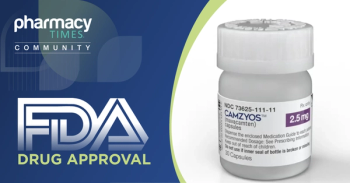
The FDA approved orforglipron (Foundayo; Eli Lilly) for the treatment of adults with obesity or overweight with weight-related medical problems. According to the news release announcing its approval, orforglipron should be used alongside a reduced-calorie diet and increased physical activity.1
"There is no single path that works for everyone living with overweight or obesity," Joe Nadglowski, president and CEO of the Obesity Action Coalition, said in a news release. "New treatment options expand choice and help more people find care that fits their lives, their goals, and where they are in their journey—whether they're just starting to explore treatment or looking for a different long-term approach."1
Orforglipron is a once-daily small molecule (nonpeptide) oral glucagon-like peptide-1 receptor agonist that can be taken any time of the day without restrictions on food and water intake. In addition to chronic weight management, orforglipron is being studied as a potential treatment for type 2 diabetes, obstructive sleep apnea, osteoarthritis knee pain, hypertension, peripheral artery disease, and stress urinary incontinence. Additionally, the FDA announced that orforglipron has been approved as the fifth agent under the Commissioner’s National Priority Voucher pilot program, which aims to expedite the approval of applications that address critical national health priorities.2
“This approval demonstrates what the FDA can achieve when we eliminate delays and prioritize fast and thorough work from the agency and industry partners,” FDA Commissioner Martin Makary, MD, MPH, said in a news release. “By cutting idle time and maintaining constant communications with the company throughout the review process, we completed this national priority review with outstanding efficiency, while upholding the FDA’s gold-standard science. This reflects the level of performance the public should expect from the FDA.”2
Clinical data from the 72-week, randomized, double-blind, placebo-controlled phase 3 clinical trials, ATTAIN-1 (NCT05869903)3 and ATTAIN-2 (NCT05872620),4 helped support the agent’s approval. To assess the efficacy and safety of orforglipron, ATTAIN-1 enrolled patients with obesity and overweight with hypertension, dyslipidemia, obstructive sleep apnea, or cardiovascular disease who did not have diabetes, and ATTAIN-2 enrolled patients with obesity or overweight with type 2 diabetes. Results from these respective trials were published in the New England Journal of Medicine and The Lancet.1,5,6
A total of 3127 patients were randomly assigned to receive 6, 12, or 36 mg of orforglipron or placebo. The findings demonstrated that the mean change in body weight from baseline to week 72 was −7.5% (95% CI, −8.2 to −6.8) with 6 mg of orforglipron, −8.4% (95% CI, −9.1 to −7.7) with 12 mg of orforglipron, and −11.2% (95% CI, −12.0 to −10.4) with 36 mg of orforglipron, as compared with −2.1% (95% CI, −2.8 to −1.4) with placebo (P < .001 for all comparisons with placebo). Additionally, among the patients in the orforglipron 36-mg group, 54.6% had a reduction of 10% or more, 36.0% had a reduction of 15% or more, and 18.4% had a reduction of 20% or more, as compared with 12.9%, 5.9%, and 2.8% of the respective patients receiving placebo.5
Of note, orforglipron significantly improved waist circumference, systolic blood pressure, triglyceride levels, and non–high-density lipoprotein cholesterol levels compared with placebo.5
A total of 1613 participants were randomly assigned, following a dose-escalation phase, to receive 6 (n = 329), 12 (n = 332), or 36 mg (n = 322) of orforglipron, or placebo (n = 630), as an adjunct to lifestyle modification. Among the 1444 patients who completed the study, baseline body weight was about 101.4 kg, body mass index 35.6, and hemoglobin A1c (HbA1C) 8.05% (64.4 mmol/mol).6
The mean percent change in body weight from baseline to week 72 was approximately –5.1% (95% CI, –6.0 to –4.2) with 6 mg (estimated treatment difference [ETD], –2.7 [95% CI, –3.7 to –1.6]; P < .0001), –7.0% (95% CI, –7.8 to –6.2) with 12 mg (ETD, –4.5 [95% CI, –5.5 to –3.6]; P < .0001), and –9.6% (95% CI, –10.5 to –8.7) with 36 mg orforglipron (ETD, –7.1 [95% CI, –8.2 to –6.1]; P < .0001), compared with approximately –2.5% (–3·0 to –1.9) with placebo (all P < .0001). All prespecified weight and cardiometabolic measures, including HbA1c were observed to have statistically significant improvements with orforglipron.6
In ATTAIN-1, adverse events (AEs) resulted in treatment discontinuation in approximately 5.3% to 10.3% of the patients in the orforglipron groups, and in 2.7% of those in the placebo group. The most common AEs were gastrointestinal effects, which were mostly mild to moderate in severity.5
In ATTAIN-2, treatment discontinuations due to AEs were higher for orforglipron (6.1%–9.9%) compared with placebo (4.1%). The most common AEs with orforglipron were mild to moderate gastrointestinal events, which predominantly occurred during dose escalation. There were 10 deaths reported during the study, of which 6 were with orforglipron and 4 with placebo; however, the investigators determined that all deaths were unrelated to the study treatment, except for 1 patient in each of the placebo and 12-mg orforglipron group.6
"People living with obesity need treatment options that meet them where they are—and for many, a once-daily pill that can be taken with no food or water restrictions can offer them greater flexibility in how they approach their treatment," explained Deborah Horn, DO, medical director of the UT Physicians Center for Obesity Medicine and Metabolic Performance at McGovern Medical School at UTHealth Houston. "With [orforglipron], we now have an oral option that delivered an average of 12.4% weight loss at the highest dose in clinical trials—addressing both the clinical realities of obesity and the practical challenges patients face every day."1