
Conference Coverage
Latest News

Oct 18, 2026 | News
Breast Cancer Treatment Ends, But The Medication Questions Don’t
Diuretics, eGFR, and Intensive BP Lowering in CKD: What to Watch
Oct 17, 2026

Researchers Target Viral Fusion for Universal Flu, HIV Vaccines
Oct 16, 2026

5 Breast Cancer Advances in 2026—And The Questions They Leave Unanswered
Oct 16, 2026
VAX-31 Meets All Primary End Points vs PCV20 and PCV21 in Pivotal Phase 3 OPUS-1 Trial
Oct 16, 2026



Advertisement
Shorts

0:43
Why Targeting a Constrained Epitope May Make COVID-19 Monoclonal Antibodies More Durable
3 days ago
by
Michael Mina, MD, PhD(+1 more)
0:43
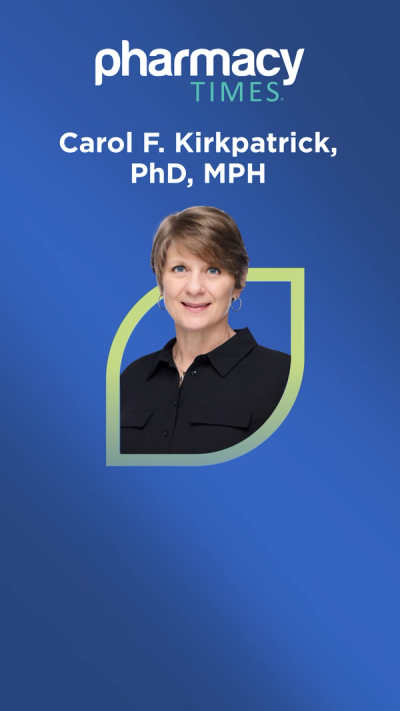
Butter, Beef Tallow, or Plant-Based Oil: Which Raises LDL Most?
6 days ago
by
Carol F. Kirkpatrick, PhD, MPH, RDN, FNLA(+1 more)
1:03
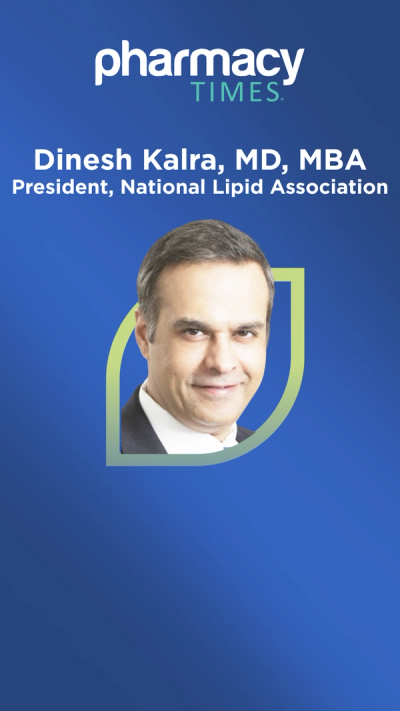
Pharmacists Help Close Gaps in Lipid Care and Lp(a) Testing
7 days ago
by
Dinesh Kalra, MD, MBA, FNLA, FACC, FAHA(+1 more)
0:49
Lp(a) Testing Now Recommended Once for All Adults
11 days ago
by
Dinesh Kalra, MD, MBA, FNLA, FACC, FAHA(+1 more)
0:48
Inside the LIBERTY Study: Testing mRNA Vaccination and Monoclonal Antibodies Side by Side
12 days ago
by
Michael Mina, MD, PhD(+1 more)

0:48
Meeting Patients Where They Are: Pharmacists and HIV Prevention
18 days ago
by
Kevin Astle, PharmD, BCPS, BCACP, AAHIVP, CDCES(+1 more)
0:42
Why Pharmacists Should Pair Pneumococcal Vaccination With Tobacco Screening
19 days ago
by
Robin Corelli, PharmD(+1 more)
1:12
Highlighting the Work of Ambulatory Care Pharmacists
a month ago
by
Kelsey Norman, PharmD, BCCP, BCACP(+2 more)
1:45
New England Ambulatory Care Pharmacists Have a Community With NEIAP
a month ago
by
Katelyn O'Brien, PharmD, BCPS, CDCES, BC-ADM(+3 more)
2:14
The Importance of NEIAP to Ambulatory Pharmacy
a month ago
by
Jennifer Goldman, PharmD, RPh, CDCES, BC-ADM, FCCP(+2 more)






Advertisement
All News
Advertisement

A year after FDA approval in heart failure (HF) with LVEF of 40% or higher, new ACC guidance and trial subanalyses are shaping how pharmacists use finerenone.
Neither the lipoprotein(a) [Lp(a)]–lowering antisense oligonucleotide nor the IL-6 inhibitor cut CV events in phase 3, but patients with high Lp(a) may still bring questions to pharmacists.

Pharmacists make a difference in patients’ lives through MTM services.
Peptide cancer vaccines target neoantigens to boost T cells, with promising melanoma and pancreatic trials hinting at a new era in immunotherapy.

AI tools in pharmacy education risk eroding critical thinking, lab competency, and patient safety if used as substitutes for foundational learning.

The Main Street Pharmacy Access Act would let Medicare pay pharmacists for care they can already legally provide, if pharmacies have the time.

Ali A. Habib, MD, discusses how NIMBLE’s hospitalization findings complement symptom outcomes for investigational cemdisiran and highlights pharmacists’ role in vaccination tracking and infection-risk counseling.
Rather than requiring a new trial, the FDA extended evidence from carcinoma in situ to high-grade papillary-only disease, a new approach for this setting.
Pharmacists can address patient fears about fentanyl by distinguishing illicit from prescribed opioids and promoting safe, empathetic, evidence-based opioid use.

Nationwide Danish data presented at EASD 2026 link a widening cancer gap in type 2 diabetes largely to obesity-related cancers.
Advertisement

Each October, the pharmacy profession pauses to recognize technicians' decades-long evolution, from on-the-job trainees to nationally certified health care professionals.

Peer Reviewed
Creating institution-specific, literacy-friendly chemotherapy education sheets resulted in patient education materials with higher readability scores than similar materials from common chemotherapy education sites.

In an era of rapidly evolving technology, we remain in a people-powered world.

Victoria P. Werth, MD, discusses how litifilimab’s 52-week AMETHYST findings inform treatment expectations and timely reassessment of persistent cutaneous lupus symptoms.

In an interview with Pharmacy Times, Victoria P. Werth, MD, professor of dermatology at the University of Pennsylvania and chief of dermatology at the Philadelphia VA Medical Center, discusses why meaningful improvement extends beyond skin clearance and how response timing affects patients with difficult-to-control disease.

Experts on Lp(a) testing, statin myths, cognitive safety, and the 2025-2030 Dietary Guidelines share counseling points from the National Lipid Association's Fall Clinical Lipid Update meeting.

As psychedelic therapies advance through clinical development, pharmacists should prepare for potential roles in their safe, evidence-based integration into patient care.

How oncology pharmacy leaders fight burnout with stay surveys, smarter schedules, and recognition—building resilient teams through loss and turnover.

At-home chemotherapy for HR+ breast cancer works best when pharmacists guide oral regimens, boosting adherence, safety, and affordable access.

Managing medication safety in specialized populations requires a shift from standardized dosing to precise, patient-specific customization.

In an interview with Pharmacy Times, Ali A. Habib, MD, clinical professor of neurology at the University of California, Irvine, discusses what the hospitalization findings mean for patients and why they should be viewed as supportive evidence
Emergency and ICU pharmacists would be most likely to see pneumonic plague. An expert reviews first-line agents, alternatives, and postexposure prophylaxis.

A former residency program director unpacks why this debate keeps resurfacing, and why some reasons people give for skipping residency may not hold up the way they think they do.
Advertisement
Advertisement
Trending on Pharmacy Times
1
Finerenone Expands MRA Options as Pharmacists Address Underrecognized HFpEF
2
Finerenone in Heart Failure: Evidence and Practice a Year Later
3
Breast Cancer Treatment Ends, But The Medication Questions Don’t
4
Diuretics, eGFR, and Intensive BP Lowering in CKD: What to Watch
5