Key Takeaways
- New triglyceride agents are markedly more potent. Olezarsen and plozasiran lower triglycerides 60% to 80% versus 10% to 30% for older agents, with FCS and severe hypertriglyceridemia as their first key roles in preventing pancreatitis.
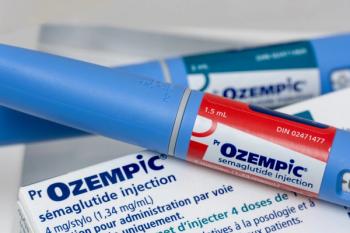
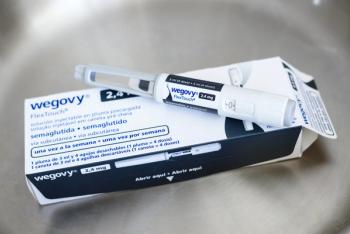
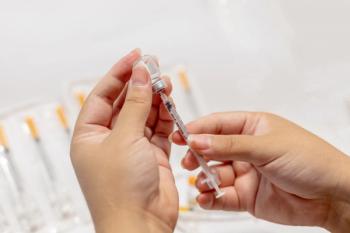
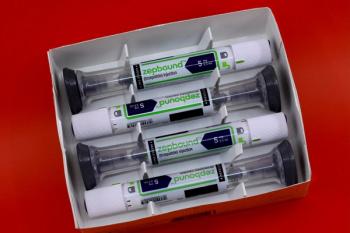
- Device and storage counseling matter as much as the drug. Pharmacists should master each injectable's technique and storage requirements and educate patients accordingly.
- Watch closely for adverse effects with limited real-world data. Pharmacists should monitor efficacy and stay vigilant for unexpected reactions as use expands.
In an interview with Pharmacy Times, Jeremy L. Johnson, PharmD, BCACP, CDCES, BC-ADM, professor of pharmacy practice at the Southwestern Oklahoma State University College of Pharmacy, discussed newer triglyceride-lowering therapies and the practical counseling and monitoring points pharmacists should prioritize with the latest lipid agents. The discussion was based on a presentation he gave at the 2026 Association of Diabetes Care and Education Specialists Annual Conference in Columbus, Ohio.
For patients with elevated triglycerides who may be at risk of pancreatitis, Johnson explained that older agents lower triglycerides only in the 10% to 30% range and carry limited evidence for atherosclerotic cardiovascular disease risk reduction. The newer agents, olezarsen (Tryngolza; Ionis Pharmaceuticals) and plozasiran (Redemplo; Arrowhead Pharmaceuticals), are far more potent, cutting triglycerides roughly 60% to 80%. Both are subcutaneous injectables—plozasiran is dosed quarterly—and both are indicated for severe hypertriglyceridemia in familial chylomicronemia syndrome (FCS), which Johnson expects to be their primary initial role. He noted that olezarsen has also received approval for high triglycerides above 500 mg/dL, giving it a place in therapy that overlaps with some traditional options.
On counseling and monitoring, Johnson said efficacy monitoring is the immediate priority to confirm the medication is working. These agents have been well tolerated in trials, with some injection-site reactions but few notable adverse effects, so he urged pharmacists to stay alert for unexpected reactions given the limited real-world data. He also emphasized device familiarity: Because auto-injectors and prefilled syringes vary, pharmacists should counsel patients carefully on technique and storage, noting that some agents require refrigeration, whereas others are stable at room temperature for up to 90 days. Johnson closed by calling it an exciting time in lipid management, with potent new tools helping patients reach stricter low-density lipoprotein goals—below 55 mg/dL for the highest-risk patients—that are otherwise difficult to achieve.