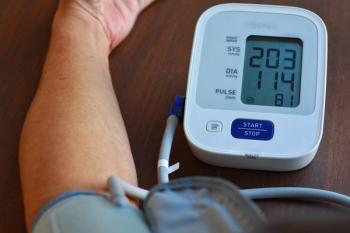
A meta-analysis of 27 trials found 15% lower cardiovascular (CV) event risk per 10-mm Hg SBP reduction, with eGFR declines but no rise in kidney failure.
FDA grants accelerated approval to atacicept-vymj for IgA nephropathy proteinuria, backed by ORIGIN clinical trial results.
The FDA has granted accelerated approval to atacicept-vymj (Trutakna; Vera Therapeutics) to reduce proteinuria in adults with primary IgA nephropathy at risk of disease progression. The approval marks the first therapy to target both B-cell activating factor (BAFF) and a proliferation-inducing ligand (APRIL), 2 cytokines that play key roles in the underlying pathophysiology of IgA nephropathy.1
IgA nephropathy is the most common primary glomerular disease worldwide and develops when abnormal IgA antibodies accumulate within the kidneys, triggering inflammation and progressive renal damage. Over time, patients may develop worsening proteinuria, declining kidney function, and, in many cases, kidney failure. Approximately half of patients with IgA nephropathy progress to kidney failure or death within 10 to 20 years of diagnosis if the disease advances.2
Atacicept is administered as a once-weekly subcutaneous injection. By simultaneously inhibiting BAFF and APRIL, the therapy reduces the production of pathogenic IgA antibodies that contribute to immune complex formation and kidney injury.1,2
The approval is supported by findings from the ongoing phase 3 ORIGIN 3 clinical trial (NCT04716231), a randomized, double-blind, placebo-controlled study evaluating atacicept in adults with biopsy-confirmed IgA nephropathy receiving optimized supportive care.1,2
A prespecified interim analysis included 203 patients, of whom 106 were randomly assigned to atacicept 150 mg once weekly and 97 to placebo. The primary end point was the percentage change from baseline in the 24-hour urinary protein-to-creatinine ratio at week 36.2
Treatment with atacicept resulted in an approximate 45.7% reduction in proteinuria compared with a 6.8% reduction in the placebo group, representing a geometric mean between-group difference of 41.8 percentage points (95% CI, 28.9-52.3; P <.001).2 Similarly, the FDA reported an average 46% reduction in proteinuria after 9 months of treatment compared with placebo.1
Although reduction in proteinuria is considered an important surrogate marker associated with improved kidney outcomes, the FDA noted that atacicept received accelerated approval based on this end point. Whether treatment ultimately slows long-term decline in kidney function has not been established and will require confirmation through completion of the ongoing phase 3 trial.1
Because atacicept suppresses aspects of the immune system, pharmacists should counsel patients regarding the increased risk of infections and reinforce the importance of monitoring for signs and symptoms throughout treatment.1 Patients should be evaluated for active infections before initiating therapy, and clinicians should avoid administering live vaccines within 30 days before starting atacicept or during treatment because of the potential for impaired immune responses and vaccine-related infection risk.1
In the interim phase 3 analysis, adverse events (AEs) occurred in approximately 59.3% of patients receiving atacicept compared with 50.0% of patients receiving placebo. Most AEs were mild or moderate in severity.2 Pharmacists can play an important role in educating patients about appropriate injection technique, adherence to weekly administration, infection prevention strategies, and the need to promptly report signs of illness.
The approval provides a novel targeted option for patients with IgA nephropathy, a disease in which persistent proteinuria remains one of the strongest predictors of long-term kidney disease progression. By targeting 2 key immune pathways simultaneously, atacicept-vymj represents a mechanistically distinct approach compared with previously available therapies.1,2
The FDA also granted atacicept-vymj priority review and breakthrough therapy designation for this indication, emphasizing the unmet need for effective therapies in IgA nephropathy. Continued approval, however, remains contingent upon verification of clinical benefit through the ongoing confirmatory study evaluating long-term preservation of kidney function.1
Stay informed on drug updates, treatment guidelines, and pharmacy practice trends—subscribe to Pharmacy Times for weekly clinical insights.
Subscribe