In an interview with Pharmacy Times, City of Hope researchers discuss a preclinical platform designed to redirect CAR T cells after infusion and how pharmacists could help bring this adaptable approach into clinical practice.
Deanna Horner, PharmD, BCPS, discusses how payers, employers, and health plans can approach GLP-1 coverage by balancing patient access, affordability, clinical value, and long-term cost considerations.
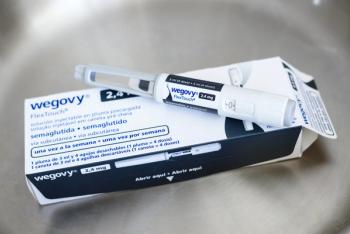
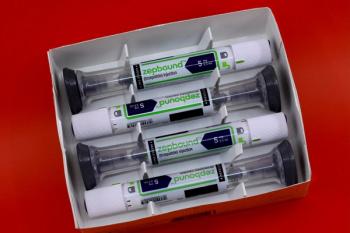
In an interview with Pharmacy Times, Deanna Horner, PharmD, BCPS, executive vice president of Eversona Enterprise Direct Strategy, discussed how payers, employers, and health plans can approach GLP-1 coverage as demand for these therapies continues to grow. Horner explained that sustainable access will likely require models that balance clear clinical eligibility, predictable patient costs, transparent pricing, and integrated support services.
Horner noted that July 1 marked the start of the CMS Medicare GLP-1 bridge program, an 18-month demonstration project intended to evaluate how access could be expanded through structured eligibility criteria, centralized administration, and set patient cost sharing. Although Medicare currently covers GLP-1 therapies for certain non–weight loss indications, Horner said the demonstration may help inform future approaches for patients seeking these therapies for weight management. She added that direct models, including those used by Eversona, may also offer important lessons by streamlining onboarding, improving transparency, and supporting patients and employers outside traditional coverage pathways.
The conversation also addressed how payers and employers should define the value of GLP-1 therapies beyond acquisition cost. Horner explained that coverage decisions must consider both clinical and practical factors, including indication, patient goals, safety, affordability, and the population being served. She emphasized that the long-term benefits of GLP-1 therapies, such as cardiovascular risk reduction, may not be realized for several years, creating challenges for employers and payers operating within annual budgets.
For employers, Horner said earlier markers of value may include improvements in conditions such as obstructive sleep apnea, which could reduce absenteeism and presenteeism. Overall, she highlighted the need for a hybrid approach that incorporates clinical outcomes, medical cost offsets, patient access, and payer sustainability.
Stay informed on drug updates, treatment guidelines, and pharmacy practice trends—subscribe to Pharmacy Times for weekly clinical insights.
Subscribe