
In a Swedish study of 482,000 heart failure hospitalizations, cold effects emerged days later, whereas heat effects appeared almost immediately.
In a Swedish study of 482,000 heart failure hospitalizations, cold effects emerged days later, whereas heat effects appeared almost immediately.
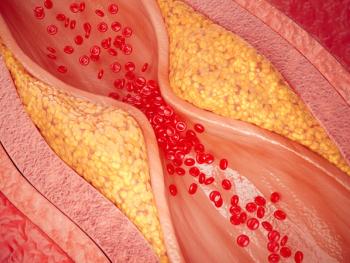
At NEIAP 2026, Kelsey Norman, PharmD, walked through how VESALIUS-CV, Lp(a)HORIZON, and CKM guidelines change pharmacist-led lipid care.
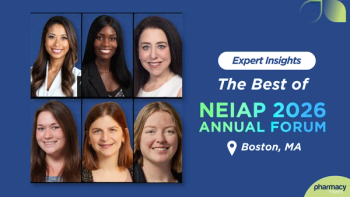
Experts from the NEIAP 2026 Annual Forum share how pharmacists are driving hypertension, lipid, cardiorenal, obesity, and CDTM care as primary clinical decision-makers.
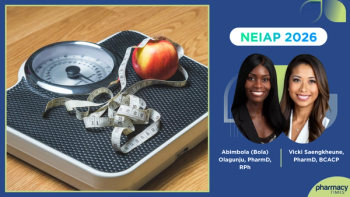
Bola Olagunju, PharmD; and Vicki Saengkheune, PharmD, stress that medication is an important tool in the care of patients with obesity, and improving one disease state can help others improve as well.
Katelyn O'Brien, PharmD, emphasizes sick-day management and preprocedure holds to lower euglycemic DKA risk with sodium-glucose cotransporter 2 (SGLT2) inhibitors.
With a dual glucose-ketone monitor now available, pharmacists must interpret the data and give patients a clear DKA action plan, Goldman says.
Kelsey Norman, PharmD, says addressing provider inertia and asking about adherence at every visit are central to proprotein convertase subtilisin kexin type 9 (PCSK9) inhibitor success.
Updated guidelines call for earlier primary aldosteronism screening in stage 2 hypertension, opening a clear role for pharmacists, says Anthony Ishak.
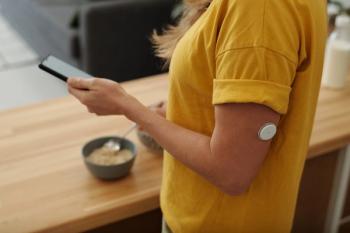
At the 2026 New England Institute of Ambulatory Care Pharmacists (NEIAP) Annual Forum, Jennifer Goldman detailed how monitoring data drive engagement—and how a new dual sensor readies pharmacists for ketone alerts.
Vicki Saengkheune, PharmD; and Bola Olagunju, PharmD, describe a collaborative clinic where pharmacists titrate therapy, provide counseling, and remove access barriers.

Jackie Burke, PharmD, has advice for strengthening collaborative drug therapy management (CDTM) in a year: ask leaders what they need, then pilot one focused, trackable, reportable workflow.

Jackie Burke, PharmD, says the widest collaborative drug therapy management (CDTM) gap is operational—implementing workflows and showing outcomes, not proving pharmacists' clinical expertise.
The strongest antiobesity medication candidates are chosen by overall health and comorbidities like heart failure, CKD, and sleep apnea, not weight alone.

Katelyn O'Brien, PharmD, says a shared view of cardio-kidney-metabolic syndrome lets pharmacists unify care across endocrinology, cardiology, and nephrology.

Kelsey Norman, PharmD, says pharmacists' longer visits and collaborative practice agreements make them well positioned to get patients to low-density lipoprotein (LDL) goals.

Anthony Ishak, PharmD, explains how the PREVENT risk estimator helps pharmacists calibrate dose intensity and move stage 2 patients to combination therapy.

In addition to the upcoming Annual Forum in September, New England Institute of Ambulatory Care Pharmacists (NEIAP) provides practical education and networking opportunities to support ambulatory care pharmacists.

Katelyn O'Brien, PharmD, BCPS, CDCES, BC-ADM, discusses the New England Institute of Ambulatory Care Pharmacists (NEIAP) Annual Forum and previews key topics of discussion.
Jennifer Goldman, PharmD, RPh, CDCES, BC-ADM, FCCP, shares the history and mission of NEIAP and explains how the organization provides practical education and networking opportunities.
In addition to explaining how NEIAP has evolved over time, Katelyn O'Brien, PharmD, BCPS, CDCES, BC-ADM, previews key topics at the upcoming September meeting.