
From AI-driven dispensing to grassroots advocacy wins, here are the key insights Pharmacy Times gathered at McKesson ideaShare 2026 in Denver.
From AI-driven dispensing to grassroots advocacy wins, here are the key insights Pharmacy Times gathered at McKesson ideaShare 2026 in Denver.

Specialty dispensing and infusion services offer real opportunity—but the path requires careful planning, sequencing, and the right resources.

Sandie Kueker, RPh, shares how advocacy and a strong medication synchronization program have helped her independent pharmacies expand clinical services and better serve rural communities.
Emily Flaugher discusses how Health Mart Atlas tools and emerging legislative momentum are helping independent pharmacies navigate reimbursement challenges and unlock new revenue opportunities.
This OPC interview discusses emerging personalized immunotherapy approaches in melanoma, evolving toxicity management strategies, and the future role of cancer vaccines in cutaneous oncology.
Kim Nguyen, PharmD, discusses findings from her OPC abstract on cardiovascular toxicities and drug-drug interactions associated with BTK inhibitors, highlighting strategies for individualized treatment selection and patient monitoring.
Single-cell findings presented at EHA 2026 identify B cells as potential drivers of immune dysregulation in acquired hemophilia A.

Ammoxetine is a novel SNRI derived from duloxetine, exhibiting a 3- to 10-fold greater potency.
Leonard Egede explains why PHQ-9 screening belongs in every cardio-kidney-metabolic (CKM) syndrome risk assessment—and how community pharmacists can reach patients the formal system misses.
Pharmacy streamlines bispecific programs with tailored operations, scheduling, order sets, and reimbursement checkpoints.

Pharmacists cut through probiotic hype by matching strains and doses to evidence, checking shelf-life potency, and navigating confusing regulations.

This abstract was presented at the Oncology Pharmacists Connect (OPC) meeting in Austin, Texas, from June 18 to 19, 2026.

Human connection is often the first casualty of rising prescription counts and constant interruptions.

This abstract was presented at the Oncology Pharmacists Connect (OPC) meeting in Austin, Texas, from June 18 to 19, 2026.

This abstract was presented at the Oncology Pharmacists Connect (OPC) meeting in Austin, Texas, from June 18 to 19, 2026.
This OPC interview discusses the growing importance of molecular testing, care coordination, and oral oncology therapies in optimizing outcomes for patients with gastrointestinal malignancies.
The growing importance of comprehensive biomarker testing, toxicity management, and the expanding role of targeted therapies in early-stage thoracic malignancies.

This abstract was presented at the Oncology Pharmacists Connect (OPC) meeting in Austin, Texas, from June 18 to 19, 2026.
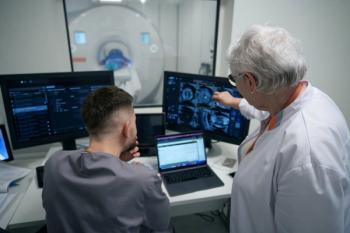
This abstract was presented at the Oncology Pharmacists Connect (OPC) meeting in Austin, Texas, from June 18 to 19, 2026.
Crystal Lennartz, PharmD, MBA, discusses independent pharmacy resilience, recent industry recognitions, and new tools announced at McKesson ideaShare 2026 to support pharmacy growth and transparency.
Leaders of the newly launched Psychedelic Pharmacists Foundation discuss pharmacists' critical role in psychedelic-assisted therapy and patient education.
This OPC interview discusses emerging standards of care in genitourinary cancers, the growing role of molecular testing and minimal residual disease monitoring, and how oncology pharmacists can optimize treatment management.

Three finalist pharmacies shared the mindsets, tools, and community-rooted strategies driving their operational success and patient-centered care.
This OPC interview discusses practice-changing updates from ASCO and EHA, including advances in bispecific antibodies, breast cancer treatment strategies, and multiple myeloma sequencing considerations.
Chris Van Norman discusses how technology, automation, and dedicated frontline teams keep the company's supply chain resilient and patient-focused.

This abstract was presented at the Oncology Pharmacists Connect (OPC) meeting in Austin, Texas, from June 18 to 19, 2026.

Oncology pharmacists step into precision care—tracking mRNA vaccines, frailty-guided supportive therapy, NGS actionability, and new thoracic targets.

Two pharmacy owners share real-world strategies for integrating artificial intelligence (AI) and automation to boost efficiency, expand clinical capacity, and elevate patient care.
Nancy Lyons, vice president and chief pharmacy officer at Health Mart, explains how McKesson Amplify and pharmacist-told patient care stories are driving advocacy wins for independent pharmacies at the state and federal levels.

New GI cancer data highlight emerging targeted therapies, ctDNA-guided surveillance, and pharmacist-led workflows to boost outcomes.