

Pharmacies can position themselves as leaders in immunization services.
Pharmacies can position themselves as leaders in immunization services.

McKesson is helping to address financial challenges facing independent pharmacies.

Zahra Mahmoudjafari, PharmD, MBA, BCOP, FHOPA, discusses the impact of CAR T cell and bispecific therapies in treatment of patients with hematological malignancies.

Rose DiMarco, PharmD, BCPS, BCOP, shares insights into the evolving treatment landscape for patients with breast cancer with specific mutations.

Shahida Choudhry, PharmD, shares her journey in pharmacy ownership.

Scott Soefje, PharmD, MBA, BCOP, FCCP, FHOPA, discusses the crucial role pharmacists play in providing supportive care for patients with cancer.

Benefits of semaglutide on cardiovascular outcomes, such as death, non-fatal myocardial infarction, and non-fatal stoke, were also presented at the session at American Diabetes Association 84th Scientific Sessions.

Jordyn P. Higgins, PharmD, BCOP, discusses the evolving treatment landscape for small cell lung cancer (SCLC).

Teplizumab (Tzield; Sanofi) has the potential to delay type 1 diabetes and the onset of stage 3 diabetes, but must be started in stage 1 of the disease.

Questions arise around equity and revenue challenges.

Food is medicine is a framework of policy and behavioral interventions, improving population health through access to healthy foods to increase food and nutrition security.

Niki Shah Vice President of Impact Innovation and Activation at McKesson, discusses efforts to advance health equity and access through community pharmacy initiatives.

W. Timothy Garvey expressed concern over limited access to effective obesity medications like Ozempic due to shortages and high costs, urging stakeholders to work together on developing solutions.

Semaglutide significantly improved heart failure symptoms and quality of life through weight loss and direct effects on heart tissue.

Adding a community health worker can improve the overall health equity for your patients.
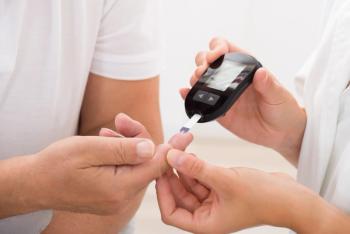
Potential concerns surrounding GLP-include pancreatitis, pancreatic cancer, colorectal cancer, suicide and other phycological effects, and thyroid cancer.

Jennifer Goldman discusses the importance of collaborative care between providers like endocrinologists, cardiologists, primary care physicians, and pharmacists to manage diabetes and prevent cardiovascular events.
There are approximately 98 million individuals have prediabetes, but approximately only 15 million actually know they have prediabetes.

Semaglutide was found to have effects on glycemia, inflammation, and heart failure outcomes in sub analyses.

Based on these results, tirzepatide could be first medication approved for treatment of obstructive sleep apnea in patients with obesity.

Managing these treatments involves many considerations, including glycemic control and nutrition, among others.

The quadruplet regimen added bortezomib to the current standard of care, which is a triplet regimen of isatuximab, lenalidomide, and dexamethasone for patients with transplant-ineligible, newly diagnosed multiple myeloma (NDMM TI).

Presenters at the American Diabetes Association 84th Scientific Sessions analyzed potential developments in treatment for patients with diabetes and diabetic kidney disease.

There are numerous challenges with cell and gene therapies in oncology, such as accessibility, cost, and prior authorizations, as well as the need for improved education and training within the oncology community.

The study shows that tirzepatide significantly improves secondary outcomes in patients with sleep apnea.

Tim Mok, PharmD, BCOP, BCPS, discusses innovative therapies that are changing the treatment options available for patients with hematologic malignancies.

With improved technology and innovations for diabetes, it is essential for health care providers and health agencies to collaborate to combat rising rates of diabetes.

Niki Shah Vice President of Impact Innovation and Activation at McKesson, previews the 2024 McKesson ideaShare conference.
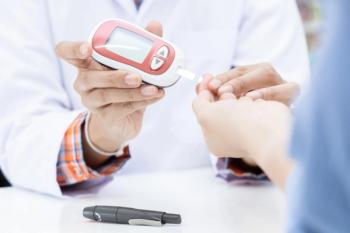
American Diabetes Association Scientific Sessions speaker Ivan de Araujo emphasizes the importance of the pharmacist’s role in diabetes care and his hopes for the future of care.

Fostering communication and shared terminology is key.