

Anthony Blaszczyk, PhD, explains the intricacy of CGT manufacturing demands, best practices, and how USP is supporting developers.
Anthony Blaszczyk, PhD, explains the intricacy of CGT manufacturing demands, best practices, and how USP is supporting developers.
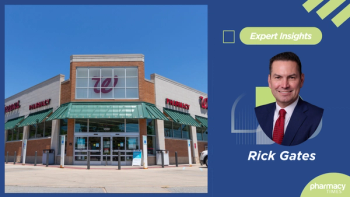
Walgreens’ hybrid pharmacist model combines in-store and centralized responsibilities to improve workforce flexibility.

Insights on the growth of sports pharmacy and the increasing demand for pharmacist expertise in athlete care.

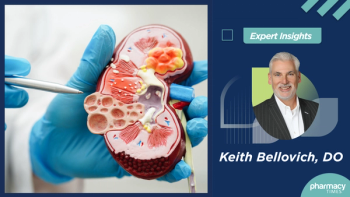
Risk-based screening, early symptom recognition, and patient engagement can help pharmacists detect chronic kidney disease and prevent progression.

Pharmacists guide women through updated menopause hormone therapy labels, rising demand, patch shortages, and personalized risk-benefit counseling.

There is a growing need to integrate pharmacists into sports medicine teams, where their expertise in medication safety, chronic disease management, and supplements can significantly enhance athlete care and performance.
This interview highlights the importance of integrating holistic health, lifestyle coaching, and medication management to create more effective, patient-centered care.

Pharmacists play a critical role in bridging athlete performance and safety, emphasizing foundational health habits, addressing supplement misconceptions, and supporting mental health through frequent, trusted patient interactions.

Travis Tygart, JD, discusses the growing risks of supplements and the critical need for education and vigilance to protect athletes and uphold clean sport.
Nilhan Uzman, MS, BPharm, discusses how pharmacists elevate athlete care by guiding safe use of medicines and supplements, debunking “natural” myths, and strengthening clean sport teams.

Pharmacist Kyle Fischer, PharmD, APh, explains how antifibrotic therapy, drug interactions, and pharmacist–physician collaboration guide ILD care.

Pharmacists play a critical and evolving role in sports medicine by optimizing medication use, guiding safe supplementation, and delivering personalized, prevention-focused care to support athlete performance and overall health.
Keith Bellovich, DO, explains how SARS-CoV-2–driven inflammation contributes to kidney injury and may reveal previously undiagnosed chronic kidney disease.
How pharmacists are uniquely positioned to support athlete health, performance, recovery, and regulatory compliance through medication expertise and interdisciplinary care.
Erin Dorval, PharmD, highlights the pharmacist’s role in safe athlete pain management, emphasizing appropriate NSAID use, alternative therapies, and emerging trends such as personalized care and wearable-driven performance optimization.

Ahead of the Sports Pharmacy Summit, Erin Dorval, PharmD, highlights the pharmacist’s role in optimizing athlete performance and recovery through safe medication use, careful supplement evaluation, and a holistic, risk-minimizing approach to care.
The National Association of Boards of Pharmacy (NABP) opens the door to the Occupational English Test (OET) as an alternative English exam for foreign pharmacy graduate certification.
Brandon Welch, PharmD, highlights the expanding role of sports pharmacists in medication safety, anti-doping, and personalized athlete care.
Joseph Saseen, PharmD, addresses statin intolerance and misinformation and provides a look at aggressive new LDL targets and emerging therapies not yet captured in the 2026 guidelines.
Pulse by NABP is revolutionizing drug supply chain oversight and patient safety.
Deucravacitinib offers a targeted, well-tolerated oral option for patients with psoriatic arthritis, with efficacy comparable to biologics and meaningful benefits in patient-reported outcomes.

NABP weighs OET and best-section scoring to ease FPGEE path while boosting pass rates and safeguarding patient care.
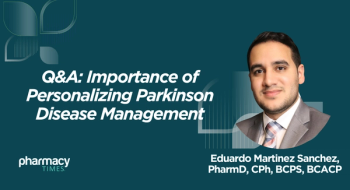
Martinez Sanchez describes early signs of Parkinson disease, how treatment adapts, and how ambulatory pharmacists fine-tune treatment, adherence, and hope amid new therapies.

Experts from NABP and the Arkansas State Board of Pharmacy explain how Pulse by NABP equips pharmacists and regulators with real-time drug supply chain verification tools.
Pharmacists' role in lipid management takes center stage with the 2026 dyslipidemia guideline update.

Eduardo Martinez Sanchez, PharmD, CPh, BCPS, BCACP, discusses key counseling points, the importance of individualizing disease management, and promising therapies to keep an eye on.

Learn how NABP’s FPGEC verifies foreign pharmacists and why TOEFL English proficiency standards remain central to US patient safety.
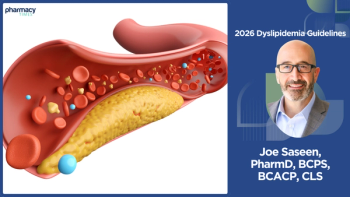
Joseph Saseen, PharmD, explains the 2026 dyslipidemia guidelines' push for universal lipoprotein A screening, clarifies when apolipoprotein B testing adds value, and outlines how new FDA-approved therapies fit into the updated lipid-lowering treatment algorithm.
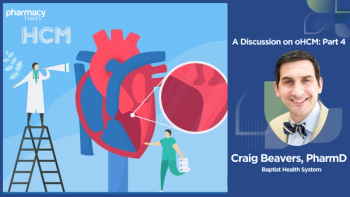
Craig Beavers urges pharmacists to engage with obstructive hypertrophic cardiomyopathy (oHCM) management and explains how the alignment between mavacamten's clinical trial data and real-world outcomes validates its role as a safe, effective, and sustainable long-term therapy.