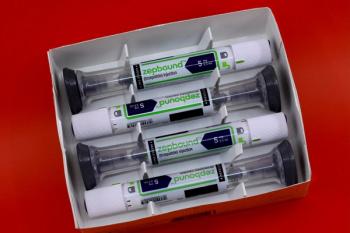
In the phase 2 ZUPREME 1 trial, the once-weekly amylin analog was well tolerated, with nausea mostly mild and limited to dose escalation.
How pharmacists are uniquely positioned to support athlete health, performance, recovery, and regulatory compliance through medication expertise and interdisciplinary care.
Ahead of the
This conversation has been lightly edited for clarity.
Pharmacy Times: As a clinical sports pharmacy specialist, how do you define the pharmacist’s role within a multidisciplinary sports medicine team, and where do you see pharmacists adding the most value?
Alexis Brown, PharmD: Pharmacists add the most value by leveraging their medication expertise to support the sports medicine team and fill gaps in care. This may include checking for drug interactions or therapeutic duplications, staying up to date on guideline changes, and monitoring outcomes. Pharmacists can make the greatest impact through direct communication with athletes. Establishing themselves as the go-to resource for drug information helps ensure athletes’ health, safety, and eligibility while optimizing performance.
Pharmacy Times: How are advances in areas like hydration strategies, sleep optimization, and recovery science influencing how pharmacists support athlete performance today?
Brown: These are all areas that pharmacists are well equipped to address, working alongside athletic trainers, sports nutritionists, and dietitians. Although pharmacists may not be directly involved in activities such as hydration testing or developing training plans, there are opportunities to support sports medicine teams in implementing recovery strategies. A key component of this role is providing athlete education on topics such as sleep hygiene, ingredients in recovery products, and how these factors relate to performance.
Pharmacy Times: Are there any emerging therapies, medications, or technologies you’re seeing gain traction in sports medicine that pharmacists should be aware of?
Brown: Digital health tools and wearables are becoming increasingly advanced, offering significant potential to incorporate biometric data—such as resting heart rate, heart rate variability, and sleep insights—into pharmacists’ assessments. However, it is important to understand how these data are validated before using them for clinical decision-making.
Pharmacy Times: How do you approach counseling athletes on injury recovery and pain management while minimizing risks such as overuse, dependency, or delayed healing?
Brown: The most important thing to remember is that every athlete is different, with individual goals for performance and overall health. Conducting a thorough interview helps paint a clearer picture of each athlete’s needs and where pharmacists can step in. Pharmacists are uniquely positioned to provide a safe space for athletes to discuss concerns related to injuries, including pain management.
When counseling athletes, my goal is to provide clear guidance on safe use and red flag symptoms, empowering them to take a more active role in managing their health. In sports pharmacy education, the concept of pharmacophysiology—how pharmacologic therapies interact with the body’s physiologic systems—is central. Being able to explain how specific medications or supplements may affect processes such as energy production, bone repair and healing, or pain signaling pathways is a valuable way to support athletes’ performance and recovery.
Pharmacy Times: What unique considerations should pharmacists keep in mind when working with collegiate athletes, particularly in relation to NCAA regulations and antidoping policies?
Brown: University of Southern California has an incredible Olympic legacy, with more than 60 current and former Trojans competing at the 2024 Paris Olympics. As a result, many of its athletes compete internationally and are part of the registered testing pool. This means they are subject not only to NCAA antidoping regulations but also to those of the WADA.
For pharmacists working with collegiate athletes, it is essential to understand the differences between these regulatory frameworks and recognize when one takes precedence over the other. It is equally important to stay up to date on any changes and proactively share relevant updates with the athletic medicine team.
Pharmacy Times: Looking ahead, how do you see the role of sports pharmacy evolving in collegiate and professional athletics, and what opportunities exist for pharmacists to become more involved in this space?
Brown: Although dedicated sports pharmacy positions remain limited, many pharmacists are already performing the functions of a sports pharmacist. Many professional teams partner with a “preferred” pharmacy, and pharmacists in these settings may not formally identify as sports pharmacists, but they regularly work with athletes. As collegiate and professional sports continue to grow more competitive, it is likely that more pharmacists will begin to carve out roles within this space.
The USC Mann School of Pharmacy Executive Sports Pharmacy Certificate program, which is open to current pharmacy students and practicing pharmacists, offers a valuable opportunity for those seeking more formal training in this emerging field.
Stay informed on drug updates, treatment guidelines, and pharmacy practice trends—subscribe to Pharmacy Times for weekly clinical insights.
Subscribe