
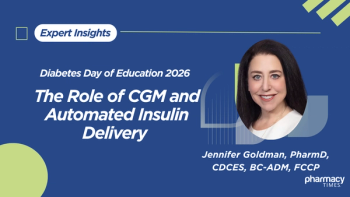
Jennifer Goldman, PharmD, CDCES, BC-ADM, FCCP, discusses how continuous glucose monitoring (CGM) technology and automated insulin delivery systems are transforming pharmacists’ roles.
Jennifer Goldman, PharmD, CDCES, BC-ADM, FCCP, discusses how continuous glucose monitoring (CGM) technology and automated insulin delivery systems are transforming pharmacists’ roles.
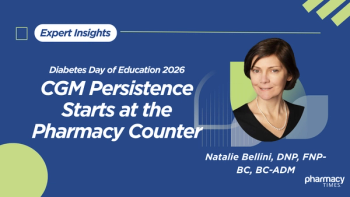
Natalie Bellini, DNP, FNP-BC, BC-ADM, explains why continuous glucose monitor (CGM) persistence so often breaks down after initiation and how pharmacists can intervene at the point of dispensing.
Pharmacists lead antifungal and antibiotic stewardship beyond hospitals, using rapid diagnostics, vaccines, and equity to curb resistance.
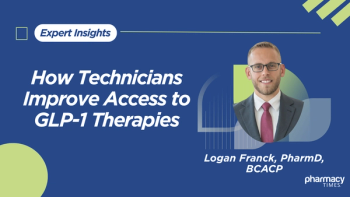
Pharmacy technicians are vital to obesity care, improving access, adherence, and patient engagement in increasingly complex treatment pathways.
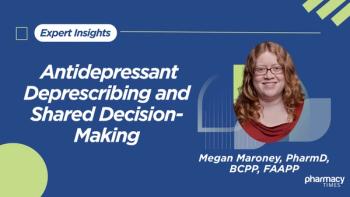
Maroney discussed the pharmacist’s role in patient education, safe medication management, and incorporating broader treatment strategies into individualized mental health care plans.
Rhonda Monroe discusses her harrowing journey as a 3-time heart attack and stroke survivor, highlighting the critical importance of patient self-advocacy.
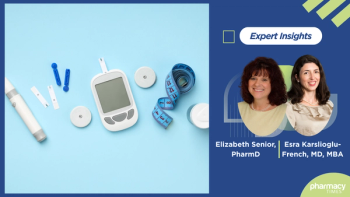
Integrated pharmacist-led care models help to improve diabetes outcomes, expand CGM use, and reduce costs through proactive, multidisciplinary patient management.
Marilyn Bulloch, PharmD, discusses the persistent burden of hepatitis B, evolving adult vaccination recommendations, and how pharmacists can improve vaccine uptake through accessible, stigma-free patient counseling.

Pharmacy technicians are essential for navigating access barriers, addressing misconceptions, and supporting adherence in obesity care.
Pharmacy technicians are increasingly central to obesity care, supporting medication access, workflow efficiency, and patient engagement in ambulatory settings.
Technician-led strategies are accelerating antiretroviral therapy access and improving long-term adherence for patients with HIV.

Expanding education, safety responsibilities, and patient support roles are elevating the importance of pharmacy technicians in cancer care.
Education, safety protocols, and evolving responsibilities are transforming the role of pharmacy technicians in cancer care.
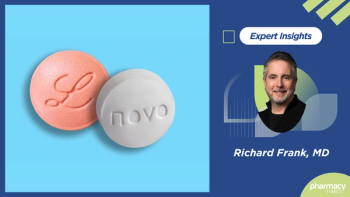
A new oral GLP-1 therapy could reshape obesity treatment by improving access, convenience, and patient uptake compared with injectable options.

Ambulatory pharmacists can address mental health gaps, tackle stigma and SDOH, and power collaborative care, improving adherence and patient quality of life.
Optimizing biomarker testing workflows and pharmacist involvement can improve precision oncology decision-making in non–small cell lung cancer.
Remote therapeutic monitoring (RTM) improves patient outcomes, reduces hospitalizations, and supports sustainable oncology care delivery.
Andel's direct-to-employer model partners with Eli Lilly and other pharma companies to offer flexible, insurance-free GLP-1 access that benefits employers, patients, and manufacturers.
Pharmacists help prevent communication breakdowns and improve coordination across oncology care teams.

Coordinated pharmacist-led outreach, e-consults, and continuous glucose monitoring support improve diabetes outcomes, increase guideline-based therapy use, and impact total cost of care.
The need for data-driven, multidisciplinary care and the critical role of pharmacists in managing the growing complexity of oncology treatment
Pharmacists are enabling the shift to outpatient bispecific antibody care through education, SOP development, and care coordination.
Cardinal Health’s 2026 Advanced Therapies Report found strong provider momentum for expanding advanced therapy administration into community settings.
Pharmacists are central to implementing bispecific antibody therapies through clinical expertise, operational leadership, and care coordination.
Fran Gregory, PharmD, outlines the expanding landscape of advanced therapies and the pivotal role specialty pharmacies play in bringing these complex treatments to community-based providers and patients.
Pharmacists support evidence-based treatment decisions, coordinate multidisciplinary care, and optimize precision oncology outcomes.
Integrated EMR systems and coordinated pharmacy operations can streamline biomarker-driven treatment decisions and improve patient outcomes.
Pharmacists can help standardize biomarker testing and improve access to targeted therapies in non–small cell lung cancer.
Pharmacists can help optimize TKI therapy in CML through education, adherence support, toxicity monitoring, and collaboration with care teams.

NABP’s new uniform pharmacy law exam streamlines multistate licensure, reshapes MPJE prep, and speeds pharmacist mobility in 2026.