

Pharmacists play a big role in biomarker testing, patient selection, and counseling on immune checkpoint inhibitor therapy in endometrial cancer.
Pharmacists play a big role in biomarker testing, patient selection, and counseling on immune checkpoint inhibitor therapy in endometrial cancer.

Researchers discuss how GLP-1 receptor agonists may be associated with improved survival outcomes in breast cancer and what clinicians should consider as use of these therapies continues to grow.
Erin Zacholski, PharmD, BCOP, discusses the critical role of biomarker testing, immune checkpoint inhibitor selection, and pharmacist-led patient counseling in recurrent and metastatic endometrial cancer management.
Joe DePinto of McKesson outlines the workflow barriers slowing CGT migration to community oncology, the reimbursement reforms needed to scale access, and the pharmacist’s pivotal role in making it all work.
Joe DePinto of McKesson discusses how payers, providers, and employers diverge on CGT reimbursement—and why outcomes-based payment models may hold the key to broader patient access.

Bundibugyo Ebola spreads in DRC and Uganda as the WHO declares a public health emergency of international concern; learn the case counts, travel alerts, and pharmacist readiness steps.

Adding immune checkpoint inhibitors to carboplatin and paclitaxel has become the new frontline standard for advanced or recurrent endometrial cancer.

A board-certified psychiatric pharmacist breaks down how systemic fragmentation, access barriers, and policy gaps are undermining schizophrenia treatment—and what must change.
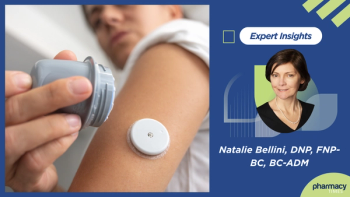
Natalie Bellini, DNP, FNP-BC, BC-ADM, breaks down how updated ADA guidelines have broadened eligibility for continuous glucose monitors, automated insulin delivery systems, and continuous ketone monitoring.
On World Schizophrenia Day, a psychiatric pharmacist details how EHR fragmentation drives medication errors in schizophrenia care, and why provider recognition is essential to fixing it.

Susan Cornell, PharmD, CDCES, FAPhA, FADCES, explains how pharmacists should approach continuous glucose monitoring (CGM) report review and explains why individualized patient education is key.

GLP-1 receptor agonists, molecular profiling, and biomarker-driven treatment strategies may help improve outcomes and personalize care for patients at risk for or diagnosed with endometrial cancer.
Amy Hess-Fischl, MS, RDN, LDN, BC-ADM, CDCES, explains how pharmacists can better leverage underutilized continuous glucose monitoring (CGM) app features and address the education gaps that prevent patients from achieving long-term CGM persistence.
GLP-1 receptor agonists could influence endometrial cancer prevention, obesity management, fertility preservation, and molecularly guided treatment strategies in gynecologic oncology.
Nicole C. Pezzino, PharmD, BCACP, CDCES, explains why reimbursement gaps, workflow constraints, and the emotional burden of wearing a continuous glucose monitor (CGM) are limiting CGM success and how pharmacists can improve outcomes.

Prior authorizations, injection site shortages, and care transition failures are undermining LAI antipsychotic adherence in patients with schizophrenia, one pharmacist explains.
Diana Isaacs, PharmD, BCACP, BC-ADM, CDCES, FADCES, FCCP, explores the most significant advancements in continuous glucose monitoring (CGM) and automated insulin delivery in 2026.

Ashlan Kunz Coyne, PharmD, MPH, discusses treating Pseudomonas–Stenotrophomonas coinfections, co-culture insights, and smart empiric therapy amid rising resistance.
Pharmacists push antimicrobial stewardship into clinics and long-term care, tackling antifungal resistance, rapid diagnostics, vaccines, and public health leadership.

Emerging evidence surrounding GLP-1 receptor agonists and progestin therapies could influence preventive care strategies and endometrial cancer risk reduction in high-risk patients.
Jennifer Goldman, PharmD, CDCES, BC-ADM, FCCP, discusses how continuous glucose monitoring (CGM) technology and automated insulin delivery systems are transforming pharmacists’ roles.
Natalie Bellini, DNP, FNP-BC, BC-ADM, explains why continuous glucose monitor (CGM) persistence so often breaks down after initiation and how pharmacists can intervene at the point of dispensing.
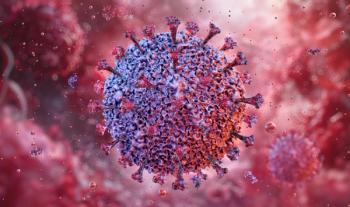
Pharmacists lead antifungal and antibiotic stewardship beyond hospitals, using rapid diagnostics, vaccines, and equity to curb resistance.

Pharmacy technicians are vital to obesity care, improving access, adherence, and patient engagement in increasingly complex treatment pathways.
Maroney discussed the pharmacist’s role in patient education, safe medication management, and incorporating broader treatment strategies into individualized mental health care plans.
Rhonda Monroe discusses her harrowing journey as a 3-time heart attack and stroke survivor, highlighting the critical importance of patient self-advocacy.

Integrated pharmacist-led care models help to improve diabetes outcomes, expand CGM use, and reduce costs through proactive, multidisciplinary patient management.

Marilyn Bulloch, PharmD, discusses the persistent burden of hepatitis B, evolving adult vaccination recommendations, and how pharmacists can improve vaccine uptake through accessible, stigma-free patient counseling.

Pharmacy technicians are essential for navigating access barriers, addressing misconceptions, and supporting adherence in obesity care.

Pharmacy technicians are increasingly central to obesity care, supporting medication access, workflow efficiency, and patient engagement in ambulatory settings.