

A member of the cardio-kidney-metabolic syndrome (CKM) guideline writing committee outlines steps pharmacists can take to ensure the kidney component of CKM is not overlooked.
A member of the cardio-kidney-metabolic syndrome (CKM) guideline writing committee outlines steps pharmacists can take to ensure the kidney component of CKM is not overlooked.
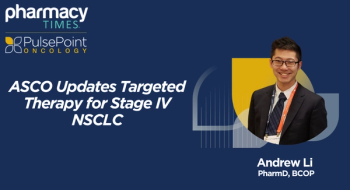
Andrew Li, PharmD, BCOP, discusses key targeted therapy updates in the 2026 ASCO living guideline for stage IV non–small cell lung cancer and how pharmacists can help manage treatment-related toxicities and access barriers.

Boston University researchers say flat chronic kidney disease (CKD) prevalence conceals a growing diabetes-linked burden, and pharmacists have a key role in closing screening gaps.
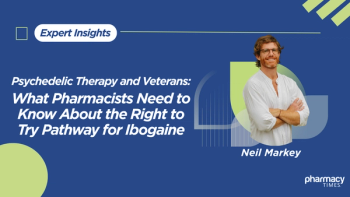
Beckley Retreats CEO Neil Markey discusses how the recent executive order on psychedelic therapies for veterans could reshape access to ibogaine and other investigational treatments.

Kasey Malotte, PharmD, BCPS, discusses the new credential’s strengths and areas for growth as well as why a stronger training ecosystem is necessary for long-term impact.

In addition to the upcoming Annual Forum in September, New England Institute of Ambulatory Care Pharmacists (NEIAP) provides practical education and networking opportunities to support ambulatory care pharmacists.
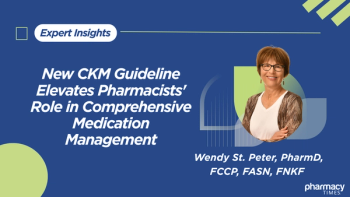
Wendy St Peter, PharmD, explains how the new cardio-kidney-metabolic (CKM) syndrome guideline supports pharmacist-led medication management, staging tools, and deprescribing.

Katelyn O'Brien, PharmD, BCPS, CDCES, BC-ADM, discusses the New England Institute of Ambulatory Care Pharmacists (NEIAP) Annual Forum and previews key topics of discussion.
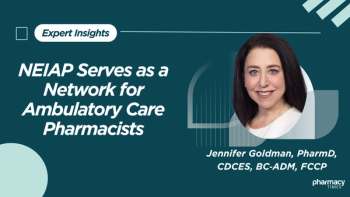
Jennifer Goldman, PharmD, RPh, CDCES, BC-ADM, FCCP, shares the history and mission of NEIAP and explains how the organization provides practical education and networking opportunities.
In addition to explaining how NEIAP has evolved over time, Katelyn O'Brien, PharmD, BCPS, CDCES, BC-ADM, previews key topics at the upcoming September meeting.
AZA Allsop, MD, PhD, outlines what REMS-style safety monitoring could look like for psychedelic therapies and why top institutions are investing heavily.

Yale's AZA Allsop, MD, PhD, on psychedelics as medicine vs wellness tools, and why naturalistic research settings matter for the field.
Timothy Clifford, PharmD, outlines how quality-of-life impact, comorbid conditions, and prior therapy failures guide biologic selection for CRSwNP.
Aderonke Adeboye, PharmD, discusses the clinical red flags that signal a patient with CSU needs advanced therapy and how specialty pharmacists guide treatment selection and support long-term adherence for biologics and emerging oral agents.
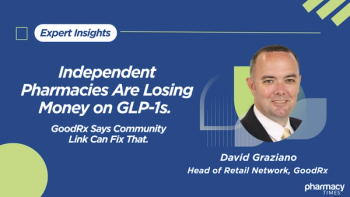
GoodRx's David Graziano breaks down how fluctuating acquisition costs, narrow formularies, and retrospective reimbursement adjustments are squeezing independent pharmacies—and what solutions exist to help them remain competitive.
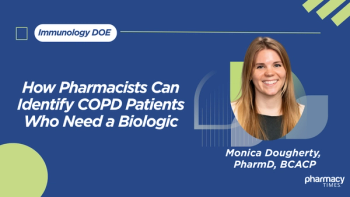
Monica Dougherty, PharmD, BCACP, explains how the 2026 GOLD guideline updates use blood eosinophil counts to guide biologic therapy decisions for patients with COPD.
Lavinia Salama, PharmD, joins Craig Beavers, PharmD, to discuss implementing the 2026 CKM guidelines in clinical practice.
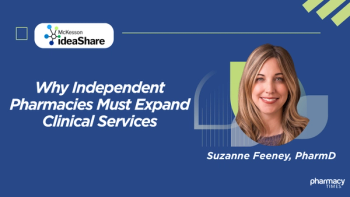
Suzanne Feeney, PharmD, explains why expanding clinical services—from immunizations to chronic disease management—is a critical growth strategy for independent pharmacies navigating reimbursement pressures and shifting legislation.
Shahida Choudhry, PharmD, discusses earning McKesson ideaShare's inaugural Trailblazer Award, building an integrated primary care and pharmacy model, and using advocacy and social media to elevate independent pharmacy.
Chiadi Ndumele, MD, breaks down the cardiovascular-kidney-metabolic syndrome (CKM) guideline's glucagon-like peptide-1 (GLP-1) and kidney-protective therapy guidance—and the pharmacist's role in coordinated care.
In this interview, Chris Elder, PharmD, BCOP, discusses major themes from OPC 2026, including advances in immunotherapy delivery, practical applications of ASCO and EHA data, and the expanding role of oncology pharmacists in optimizing patient care.
In this interview, Sonia Amin Thomas, PharmD, BCOP, AFMCP, INHC, discusses common challenges in precision medicine implementation and how oncology pharmacists can build expertise in biomarker interpretation, pharmacogenomics, and multidisciplinary care.
Findings from a retrospective analysis show that montelukast prophylaxis significantly reduced rituximab infusion-related reactions, particularly among patients receiving treatment for oncology indications.
Sandie Kueker, RPh, shares how advocacy and a strong medication synchronization program have helped her independent pharmacies expand clinical services and better serve rural communities.
Emily Flaugher discusses how Health Mart Atlas tools and emerging legislative momentum are helping independent pharmacies navigate reimbursement challenges and unlock new revenue opportunities.
This OPC interview discusses emerging personalized immunotherapy approaches in melanoma, evolving toxicity management strategies, and the future role of cancer vaccines in cutaneous oncology.
Leonard Egede explains why PHQ-9 screening belongs in every cardio-kidney-metabolic (CKM) syndrome risk assessment—and how community pharmacists can reach patients the formal system misses.
This OPC interview discusses the growing importance of molecular testing, care coordination, and oral oncology therapies in optimizing outcomes for patients with gastrointestinal malignancies.
The growing importance of comprehensive biomarker testing, toxicity management, and the expanding role of targeted therapies in early-stage thoracic malignancies.
Crystal Lennartz, PharmD, MBA, discusses independent pharmacy resilience, recent industry recognitions, and new tools announced at McKesson ideaShare 2026 to support pharmacy growth and transparency.