



Pain Management
Latest News
Advertisement
Latest Videos

































































Advertisement
More News

While staffing challenges mean health leaders may have to shift priorities and resources, one area where we shouldn’t scale back is in our efforts to mitigate health care drug diversion.

In the report published by The Lancet, the group provides a brief history of drug use and addiction, describes the opioid landscape, and includes 7 recommendations.
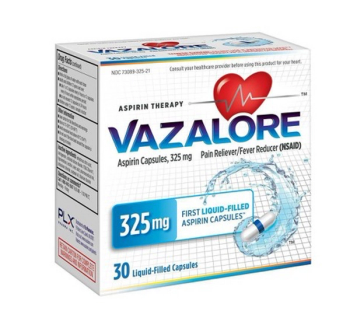
Vazalore has been shown to cause fewer stomach-related adverse effects than traditional aspirin.
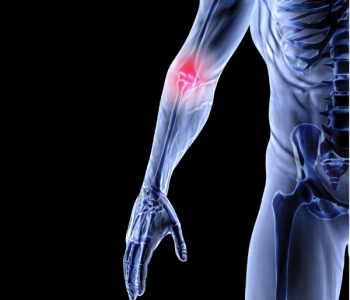
Pain from golfer's elbow may spread into the forearm and wrist.
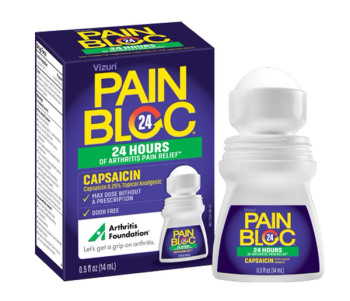
PainBloc inhibits joint pain from arthritis at the source.

Growing pains may be linked to a lowered pain threshold or, in some cases, to psychological issues.

Gout is characterized by sudden, severe attacks of pain, swelling, redness, and tenderness in one or more joints, most often in the big toe.

Patient engagement can support pharmacists in discovering a wider range of potential drug interactions while promoting medication safety.
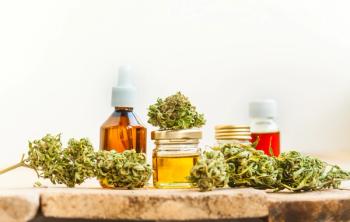
The drug is made from Ananda’s Liquid Structure technology that creates new potential for cannabidiol therapeutics, such as facilitating voluntary opioid sparing.
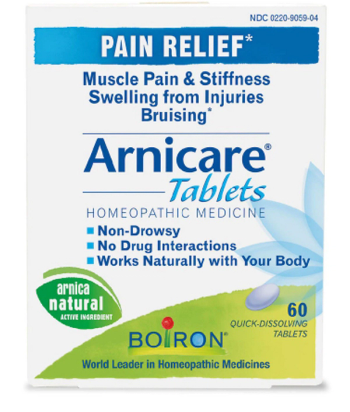
Arnicare temporarily relieves muscle pain and relieves stiffness due to minor injuries.
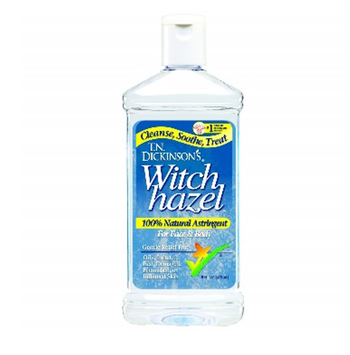
Witch hazel is used for conditions such as diarrhea, mucus colitis, and various other skin irritations.
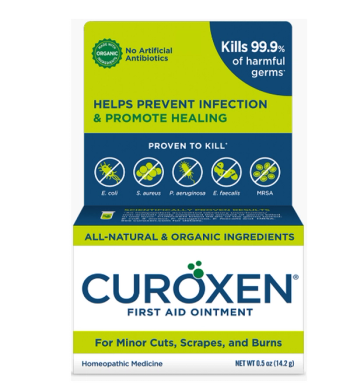
Curoxen helps to prevent infection and treats cuts, scrapes, blisters, and burns.
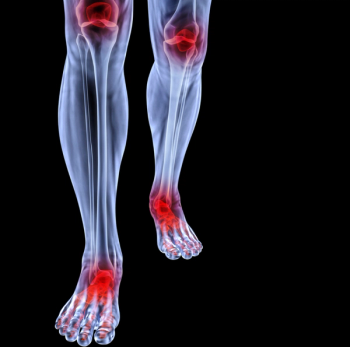
Foot drop is a sign of an underlying neurological, muscular, or anatomical problem.
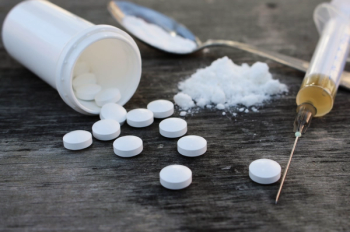
Study suggests that emergency physicians prescribe naloxone to patients who overdose.

Symptoms of fibrous dysplasia include bone pain, swelling, bone deformity, bone and fractures.
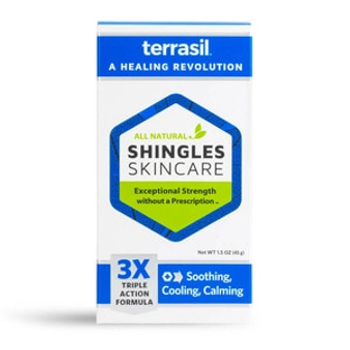
Terrasil Shingles Skincare helps to alleviate pain, itching, burning, and irritation associated with shingles.
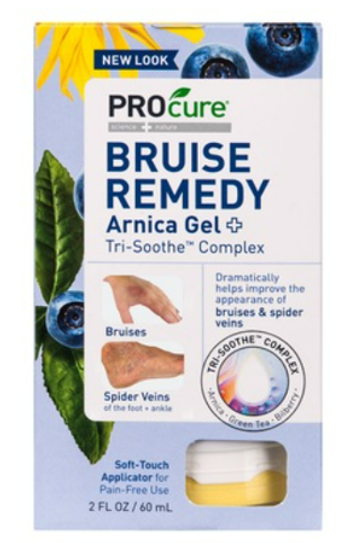
The Bruise Remedy gel contains a botanical formula to relieve and soothe bruising.
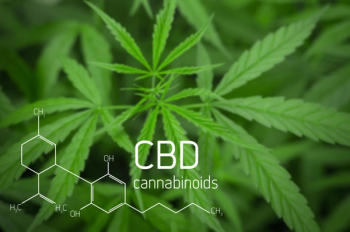
Major metabolites for cannabinoids may interfere with two families of enzymes that help metabolize a wide range of drugs prescribed for a variety of conditions.

At week 16, 56.4% of patients receiving tofacitinib achieved an Assessment in SpondyloArthritis International Society 20 response.
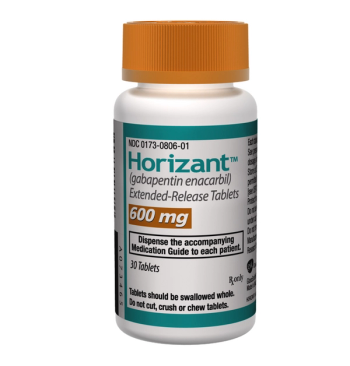
Gabapentin enacarbil treats moderate-to-severe primary restless leg syndrome and postherpetic neuralgia.

The car crashes occurring on December 24 and December 31 due to impaired driving account for approximately 50% of all traffic fatalities a year.

The risk of developing frozen shoulder increases during recovery from a medical condition or procedure that prevents arm movement.

Jaime Bridges, opioid outreach coordinator at Orlando Health Orlando Regional Medical Center, and Kris Smith, PharmD, clinical pharmacy specialist for internal medicine at Orlando Health Orlando Regional Medical Center discuss how COVID-19 has affected the opioid crisis and what opioid-free pain management options are available as alternatives.
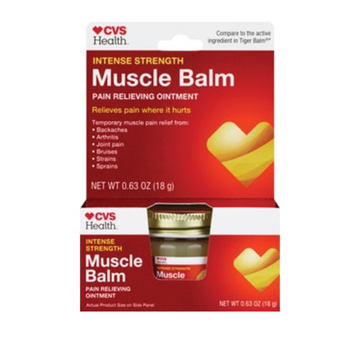
Tiger Balm is frequently used for the relief of back pain, joint pain, stiffness, sprains, and arthritis pain.
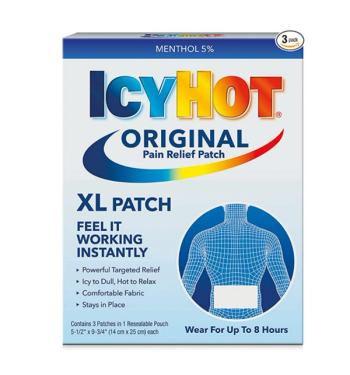
IcyHot contains salicylate, an aspirin-like product.
Advertisement
Advertisement