

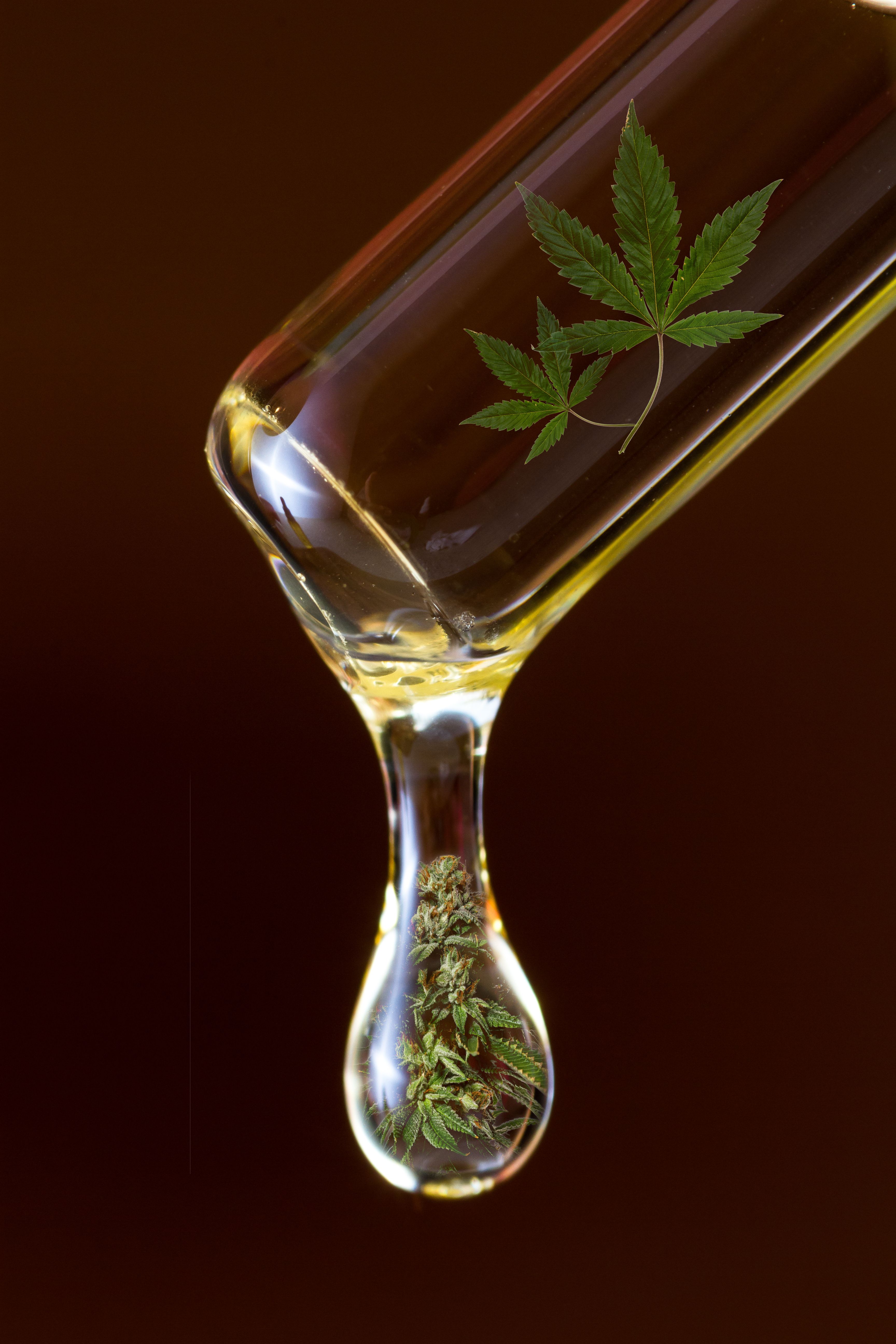



















































































The study found that of 568 patients surveyed, 15% had used cannabis within the past 3 years, with half of the users reporting using it regularly and mostly for medical purposes.
The study found that of 568 patients surveyed, 15% had used cannabis within the past 3 years, with half of the users reporting using it regularly and mostly for medical purposes.
Although earlier research has shown slight reductions in opioid abuse rates, this analysis is the first to show statistically significant year-to-year declines.
This webcast discusses a number of topics pertaining to the substance use epidemic and updates in the use of naloxone especially during the COVID-19 pandemic.

For any patient in hospice, the advent of myriad therapeutic interventions can help achieve comfort and pain relief.

One afternoon, an emergency department pharmacist receives a medication order to verify. It’s for 10 mg of morphine through IV. The pharmacist notices the dose is unusually high and realizes it could potentially be lethal.
The types of SUDs investigated were tobacco, alcohol, opioid, cannabis, and cocaine.
Eliminating Kickbacks in Recovery Act of 2018 Is an attempt to eliminate ‘patient brokering’.

Study suggests up to 75% of online pharmacies are illegitimate and pose serious health concerns.
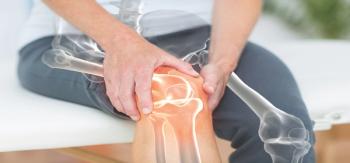
Investigators found that approximately 36% of the patients studied received a dosage strength of 250 mg of morphine over a 5-day period, above the CDC’s threshold for risky opioid prescribing.

In the United States, it is estimated that 34 million school hours and $45 billion are lost each year to unplanned dental care.
New online training program is being deployed in response to data indicating a surge in opioid-related overdoses during the COVID-19 pandemic.

Olicerdine is indicated for patients with severe pain who require an intravenous opioid when alternative treatments prove inadequate.
The Department of Health and Human Services awarded $101 million, mostly to rural communities, to fight the opioid epidemic.

With a growing number of products containing cannabidiol and kratom available in the marketplace, many pharmacists and pharmacy students are increasingly being asked to discuss the use of these products.
Perhaps no other health care worker has been exposed to the opioid epidemic more frequently than pharmacy technicians and pharmacists.
In a recent statement, the FDA provided some guidelines for health care professionals when prescribing or renewing an opioid analgesic or medicine to treat opioid use disorder.
The FDA released a recent statement explaining that it is now recommending all pharmacists discuss naloxone with patients when prescribing opioid pain relievers or medicines to treat opioid use disorder (OUD).
The results of a level 1 trauma center study have shown that ibuprofen injection (Caldolor, Cumberland Pharmaceuticals) significantly reduces the quantity of opioids required to manage pain after a traumatic injury with fracture.
The medication is indicated for the relief of mild to moderate pain caused by acute musculoskeletal disorders.
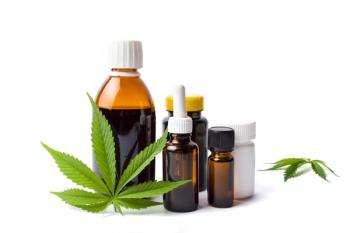
With medicinal cannabis research in its infancy, many health care providers are unsure how to provide accurate counseling and appropriate treatment to their patients.
Health care compliance analytics can be used to roll out institution-wide training and education programs to deter sloppy or nefarious behavior related to controlled substances.
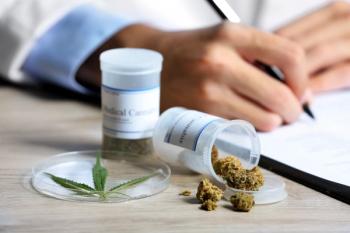
The study concluded that pharmacists reportedly scored higher on the knowledge test than neurologists and nurse practitioners.

Low back pain is one of the leading reasons people seek medical care and the number 1 cause of disability globally.
Women are more likely to receive multiple opioid prescriptions, study finds.
Peripherally acting M-opioid receptor antagonists can improve quality of life but differ variably by impact from concomitant medications.