





Pain Management
Latest News
Advertisement
Latest Videos







Shorts


Podcasts































































































Advertisement
More News

Suzetrigine prescriptions approached 1 million in the first half of 2026 as reimbursed access expanded, signaling growing adoption of nonopioid acute pain treatment.

A cone snail venom–derived peptide selectively inhibited the norepinephrine transporter and reduced inflammatory pain behavior without sedation in mice.

July 2026 brought advances in nonopioid drug development, opioid stewardship, procedural analgesia, cancer pain, pediatric medication safety, and understanding the genetic basis of fibromyalgia.
The FDA approved Tylenol with Naproxen, the first OTC fixed-dose combination of acetaminophen and naproxen sodium, for up to 12 hours of relief from minor aches and pains in patients 12 years and older.

In an interview with Pharmacy Times, Erin J. Walsh, PharmD, RPh, MS, MCST, discusses how VER-01 could reshape the role of cannabis-derived medicines in chronic pain care, the evolving role of pharmacists, and why pharmaceutical cannabinoids and whole-plant cannabis should be viewed as complementary therapeutic options rather than competitors.

Some commonly used treatments for chronic low back pain may offer limited benefit while increasing risks, underscoring the need for pharmacists to support evidence-based, patient-centered care.

Pharmacist-led pathways, multimodal analgesia, and patient-centered opioid stewardship may help improve acute pain management while balancing opioid safety, adequate pain relief, and access to emerging nonopioid options.
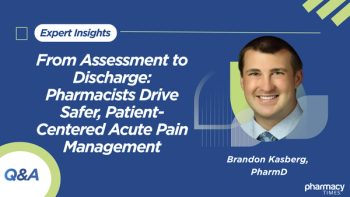
In an interview with Pharmacy Times, Brandon Kasberg, PharmD, discusses how pharmacists can help individualize multimodal acute pain regimens, reduce unnecessary opioid exposure, and support safer transitions from inpatient or postoperative care to the outpatient setting.

Emerging data on psychedelics demonstrate efficacy in preventing cluster headaches.

Kasey Malotte, PharmD, BCPS, discusses the new credential’s strengths and areas for growth as well as why a stronger training ecosystem is necessary for long-term impact.

A study published in JAMA Network Open of opioid-naive patients with acute pain found that opioids were typically used in low doses and for short periods, but pain often lasted longer than expected, and leftover medication was common.
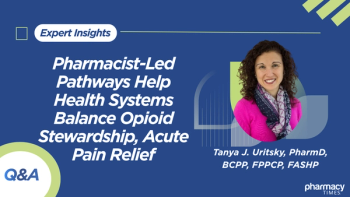
Tanya J. Uritsky, PharmD, BCPP, FPPCP, FASHP, discusses multimodal analgesia, acute pain pathways, opioid-tolerant patients, suzetrigine, and pharmacist-led interventions across health systems with Pharmacy Times.

A systematic review of 23 randomized trials suggests melatonin may modestly reduce musculoskeletal pain and improve sleep, although pharmacists should emphasize uncertain dosing, supplement quality, and the need to use it only as an adjunct to individualized pain care.
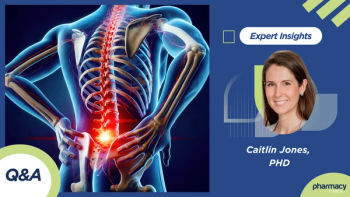
In an interview with Pharmacy Times, Caitlin Jones, PhD, discusses why high-risk, low-benefit treatments for chronic low back pain require greater scrutiny.
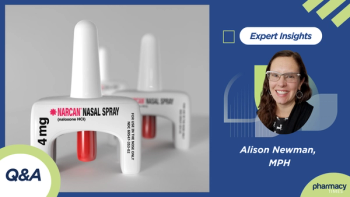
In an interview with Pharmacy Times, Alison Newman, MPH, program operations specialist with the Center for Community-Engaged Drug Education, Epidemiology & Research at the Addictions, Drug & Alcohol Institute at the University of Washington, discusses the significance of OTC naloxone availability and the barriers that remain despite the introduction of additional products.

Pharmacy Times speaks with Caitlin Jones, PHD, on opioids, spinal cord stimulators, and treatment-related harms in chronic low back pain.

As multimodal analgesia and novel therapies such as suzetrigine expand treatment options, nonopioid approaches are playing an increasingly important role in acute pain management while helping reduce reliance on opioids.
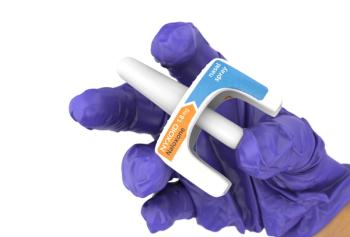
The FDA approved Rextovy, a 4-mg OTC naloxone nasal spray, expanding public access to a lifesaving opioid overdose reversal medication and increasing the availability of nonprescription treatment options.

Cannabinoids may offer modest, condition-specific analgesic benefits as adjunctive therapy in select chronic pain populations, but current evidence supports a limited role due to inconsistent efficacy, heterogeneity in studies, and safety and pharmacologic concerns.

Vertanical's investigational cannabis-derived therapy VER-01 received FDA breakthrough therapy designation after positive phase 3 data demonstrated significant pain reduction and improved tolerability in patients with chronic low back pain.

Jessica Geiger, PharmD, weighs ketamine in palliative care—pain relief, opioid-sparing evidence, stigma, and safety considerations for hospice patients.

Minimizing sedation, cognitive impairment, and addiction risk are key priorities.

As medetomidine rapidly displaces xylazine as a fentanyl adulterant, pharmacists must recognize its distinct toxidrome, understand why naloxone alone is insufficient, and support updated harm reduction strategies in an increasingly complex overdose landscape.

Pharmacy Times interviews Benjamin Kematick, PhD, BCACP, BCPMP, and explores the safety profile of Levorphanol compared with methadone, including potential reductions in risks such as accumulation, QT prolongation, and drug interactions, as well as its implications for clinical workflows and the pharmacist’s role in supporting safe opioid rotation, monitoring, and patient counseling.
Pharmacy Times interviews Benjamin Kematick, PhD, BCACP, BCPMP, and examines how levorphanol compares to methadone in pharmacology and clinical efficacy, as well as the key evidence supporting its use and the practical barriers clinicians face when transitioning between the two agents in complex pain management.
Advertisement
Advertisement