






























































































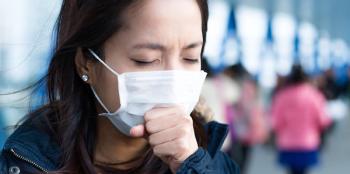
The survey, administered by the National Community Pharmacists Association (NCPA), aimed to evaluate how pharmacists and their patients are handling concerns about 2019-nCoV.
The survey, administered by the National Community Pharmacists Association (NCPA), aimed to evaluate how pharmacists and their patients are handling concerns about 2019-nCoV.
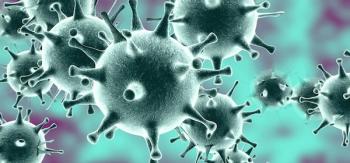
Tedros Adhanom, PhD, director general of WHO, concluded his statements in the WHO press conference by reiterating that while 2019-nCoV is of global concern, it should not lead to widespread panic.
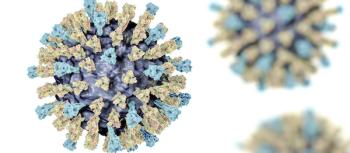
Pharmacists can administer the MMR vaccine without a prescription in most states and US territories.

The Clinical Advisor program detects potential issues with antibiotic prescribing and sends near real-time alerts to health care providers through means that include mobile devices.

In a tele-briefing Thursday, the CDC also reiterated that the threat to the general public in the US is still low.

The virus, first seen in Wuhan, China, is characterized by mild to severe respiratory illness, including fever, cough, and shortness of breath.

Fidaxomicin is a macrolide antibacterial medicine indicated to be used to treat infections that are proven or strongly suspected to be caused by C. difficile.

A case of the virus that reportedly originated in Wuhan City, China has been confirmed in Washington State.
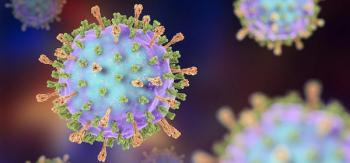
Since 2006, the CDC has tracked increases in cases and outbreaks about every 5 years.
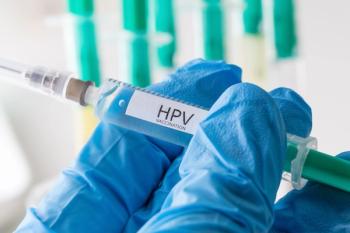
The CDC has reported 34800 new cancer diagnoses linked to HPV annually, and the virus is predicted to account for more than 90% of all cervical and anal cancers, more than 60% of all penile cancers, and 70% of all oral cancers.

These 5 developments, including epidemic forecasting and inhaled antibiotics to treat pneumonia, have global research behind them.
Krutika Mediwala, PharmD, BCPS, discusses the effects that institutional policies can have on antimicrobial stewardship in health systems. This video was filmed at the ASHP (American Society of Health-System Pharmacists) 54th Midyear Clinical Meeting & Exhibition in Las Vegas.
Lisa Dumkow, PharmD, BCIDP, a clinical pharmacist of antimicrobial stewardship, discusses outpatient stewardship and why it's vital for health system pharmacists. This video was filmed at the 2019 ASHP Midyear Meeting Clinical Meeting & Exhibition in Las Vegas.

InsightRx, a company specializing in precision medicine, and Premier Inc, a health care improvement company, have partnered to individualize medication dosing for drugs used to treat infectious diseases.

Officials with the FDA have expanded the use of Melinta Therapeutics’ delafloxacin (Baxdela) to include treatment of adult patients with community-acquired bacterial pneumonia caused by designated susceptible bacteria, but the drug’s availability will be delayed for this new indication.

A first-in-human trial evaluating the safety, pharmacokinetics, and fecal microbiome effects of a novel DNA polIIIC inhibitor demonstrated the antibacterial’s promise as a potential treatment alternative to vancomycin for the treatment of Clostridioides difficile.
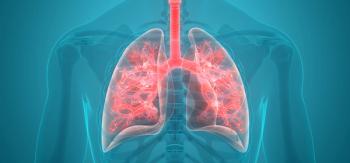
The newly published guidelines answer 16 core questions about the diagnosis and treatment of CAP in adults. The guidelines are more narrow in scope than previous versions and focus primarily on the care of a patient with active pneumonia.
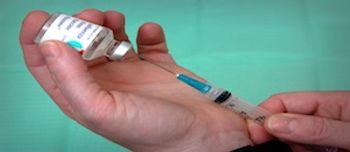
The NFID released data that revealed only 52% of adults in the country plan to get vaccinated against the flu this season.


Continuing education to improving adult pneumococcal immunization rates.

Meningitis is a deadly condition that affects up to 1 million people per year globally.1

A binational team of investigators at the University of California, Davis, has conducted the first comprehensive study to examine the risk factors for Rocky Mountain spotted fever in Mexicali, Mexico. They found that citywide, just 1 in 1000 ticks was infected with the disease, but in certain neighborhoods, about 1 in 10 ticks was infected.

Brown Bagging is an essential educational and safety tool for helping treat community-acquired pneumonia.
The study presented at the 29th European Congress of Clinical Microbiology and Infectious Diseases (ECCMID) in Amsterdam, Netherlands was a phase 2 randomized, active-controlled, double-blinded trial (N=444). All participants were ages 60 to 64 years.
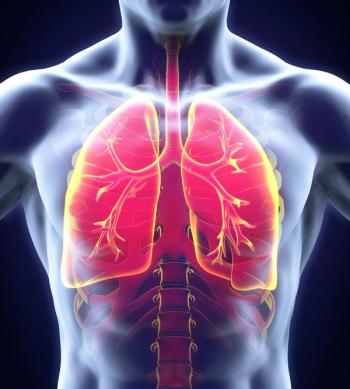
A triad of techniques can reduce the likelihood of infection, and pharmacy teams can help patients with all of them.