
































































































Investigators from the University of Houston find that 45% of the positive samples were from the soles of shoes.
Investigators from the University of Houston find that 45% of the positive samples were from the soles of shoes.

When it comes to maximizing therapeutic opportunities for the treatment of individuals with toxoplasmosis, pharmacists and other health care professionals understand the value of care coordination.

Labcorp’s collection kit can simultaneously detect the coronavirus and influenza A/B in individuals aged 2 years and older, and results can be determined in 1 to 2 days.
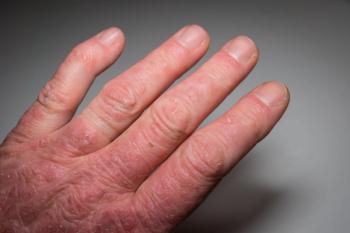
The main factors behind the vaccine hesitancy are the potential adverse effects post-vaccination and effect on their autoimmune conditions, as well as lack of trial data, an analysis shows.
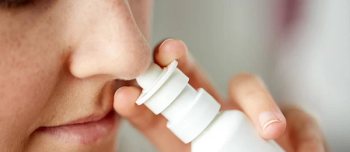
Individuals who used intranasal corticosteroids prior to being infected were about 22% less likely to be hospitalized from severe COVID-19 than those who did not.
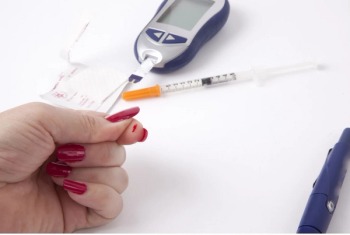
T2D is associated with a higher mortality risk linked to the coronavirus than individuals with T1D.
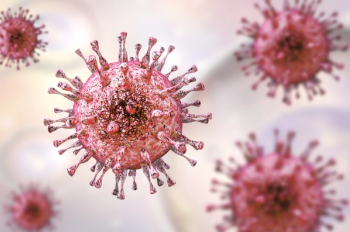
Ten quiz questions to assess your knowledge on common symptoms and treatments for genital herpes.
It demonstrated 93.2% efficacy 14 days afterward and greater than 90% for 4 or more months.

Several studies have shown that a pharmacist’s presence on a sepsis team has a statistically significant impact on patient outcomes, with pharmacists taking on several roles during patient management.
These patients had comparable levels of antibodies to individuals without the disease after a 2-dose course of the vaccination.

Stanford research results show that of nearly 39,000 individuals, just 22 had potential allergic reactions, and all recovered.

Investigators at the IMT School for Advanced Studies say that future rollouts should focus on workers, which would help avoid another lockdown.
PrEP simplifies management of the virus by eliminating the need for immune globulin and decreasing the number of doses needed.
Recent study results show that vitamin D may offer protection against critical disease and death.
The National Institutes of Health’s studies aim to research the long-term effects of the coronavirus.

New research results show that patients with mild coronavirus produce antibodies that are able neutralize the infection.
Aaron Clark, DO, medical director of value based care at Ohio State University and clinical associate professor of family medicine, discusses vaccine hesitancy and racial disparities around flu vaccinations.

Study results show that individuals who are unvaccinated are 5 to 7 times more likely to seek medical care because of the predominant strain of the coronavirus.
Results of a new study show that the vaccines seldomly reach the area that were heavily affected by the pandemic, because of ethnic, racial, and socioeconomic disparities.
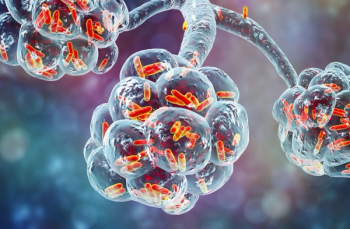
The results of a study show that with proper antibiotic treatments and therapy, clinical outcomes for those with community-acquired pneumonia do not differ.
Investigators have found bNAbs for HIV, hepatitis C, and influenza, among others.


The agency also advised that fully vaccinated individuals can resume many activities without wearing a mask or social distancing.
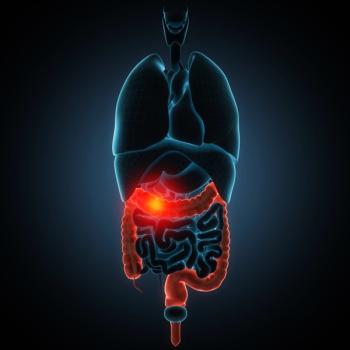
Further, while there is ambiguity surrounding the treatment of IBD flare in patients with CDI, case reports suggest corticosteroid initiation after appropriate antibiotic therapy may be effective.

Developing an antimicrobial stewardship program is arduous but valuable; commitment from leadership is the first step.