




































































































EUA restriction for hospitalized patients was basis for lawsuit that advanced several arguments.
EUA restriction for hospitalized patients was basis for lawsuit that advanced several arguments.

A lack of understanding of the burden and preventability of non-ventilator-associated hospital-acquired pneumonia contribute to hospitals’ limited attention to the infection.

Study findings may help guide efforts to develop effective HIV vaccines and antibody-based HIV treatments.

Patients with HIV were no less likely to show a worse clinical presentation following tecovirimat treatment.

Patients with C. difficile who received clonal bacteria populations via biotherapeutic injection were able to repopulate their microbiota with commensal bacteria.

Similarities between the symptoms of Clostridioides difficile infection and Crohn disease may cause confusion for health care providers.

Authorized for use in professional point-of-care settings, the nucleic acid amplification diagnostic tool delivers results in 25 minutes.

Eflapegrastim-xnst subcutaneous injection (Rolvedon) reduces infections related to febrile neutropenia in adults with nonmyeloid malignant tumors who are being treated with certain anticancer drugs.

The main cause of C. diff infection remains antibiotic use and overuse.

Removing the word ‘risk’ from discussions of HIV PrEP and focusing more on environment and empowerment concerns are beneficial in this patient population.

Any living person with HIV should be screened for hepatitis B and C upon diagnosis, with annual screenings recommended for those with additional risk factors.

Pharmacists on duty decline to dispense the medication to manage COVID-19, raising question about self-determination.

Rezafungin (Rezzayo; Cidara Therapeutics Inc, Melinta Therapeutics LLC) is the first new treatment option approved for individuals with candidemia and invasive candidiasis in more than a decade.
Expert Cmdr. Jennifer Lind, PharmD, MPH, MBA, discussed how her work in the CDC and the USPHS is a unique path for pharmacists interested in public health.
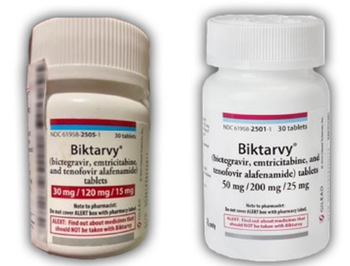
Clinical decision support, packaging changes can help stop errors related to the HIV medication.

Findings from the ongoing Adult Respiratory Syncytial Virus phase 3 trial suggest RSVPreF3 OA vaccine is effective and safe for individuals aged 60 years and older.

Nightlife transmission of COVID-19 affected a larger number of younger individuals but caused fewer household outbreaks in 2020.

Study results indicates that the injectable antiretroviral therapy can benefit patients who are historically underserved and may face treatment barriers, including those with mental illness.

Many laws also allow physicians to decide which information they disclose to guardians or fail to address inadvertent breaches of confidentiality through insurance billing and claims.

Ideally, older patients receive vaccinations by October, but disease activity often peaks in February or March.

Including the ThinPrep Pap Test improves access to the benefits of the human papillomavirus (HPV) assay, which is the only FDA-approved assay that tests for an extended set of HPV types individually.

Case studies highlight questions about shingles.
Letermovir is the only drug approved for prophylaxis of cytomegalovirus (CMV) infection for patients who are CMV-seropositive and have received an allogeneic HSCT.
Under the EUA, the Xpert Mpox test is considered authorized for use in moderately complex point-of-care settings using the GeneXpert Xpress system.

US adults have a slightly stronger preference for fewer adverse events in relation to pediatric COVID-19 vaccination, study results show.