



























































































Inhibiting particle release and infectivity could lead to a cure for HIV-1.
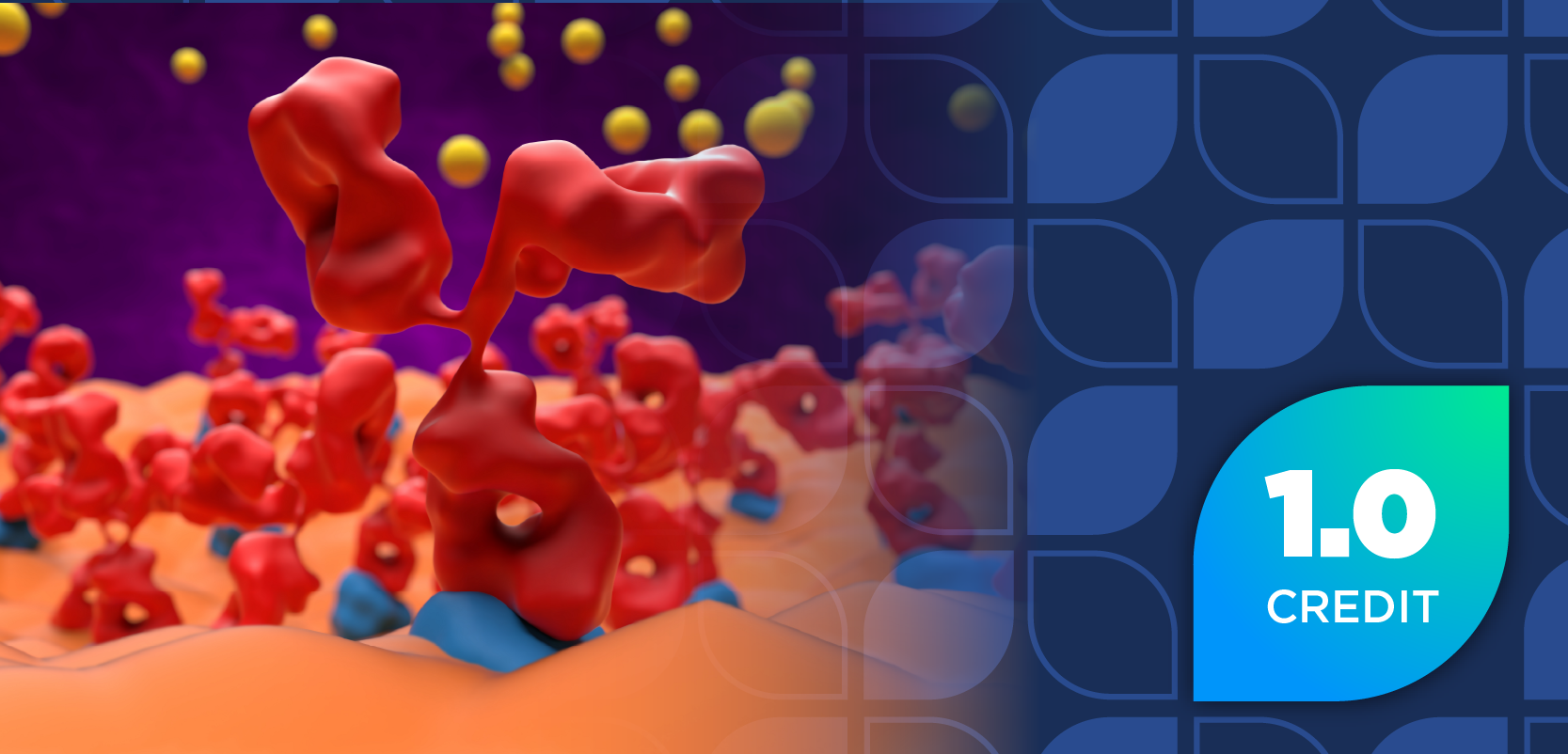
Inhibiting particle release and infectivity could lead to a cure for HIV-1.

Antibiotic resistance is making gonorrhea increasingly harder to treat, the World Health Organization (WHO) warned in a recently published report.
Reports confirm 10 hepatitis A-related deaths in Detroit area over the past year.

Mathematical model brings scientists a step closer to developing total viral suppression strategies among patients with HIV.
Sharp Spike Underscores Need for New Treatments

New diagnoses and prevalence of HIV is illustrated by demographics, location, and social determinants of health.
Two common, inexpensive antimicrobials may have greater clinical benefit for patients with methicillin-resistant Staphylococcus areus (MRSA) skin abscesses than previously thought.
HIV disproportionately affects blacks and Latinos, who are less likely to receive ongoing care.
The National HIV Testing Day annual campaign takes place on June 27th.
Scientists solve protein structures to reveal new treatment developments for diseases such as Ebola virus, Lyme disease, and tuberculosis .
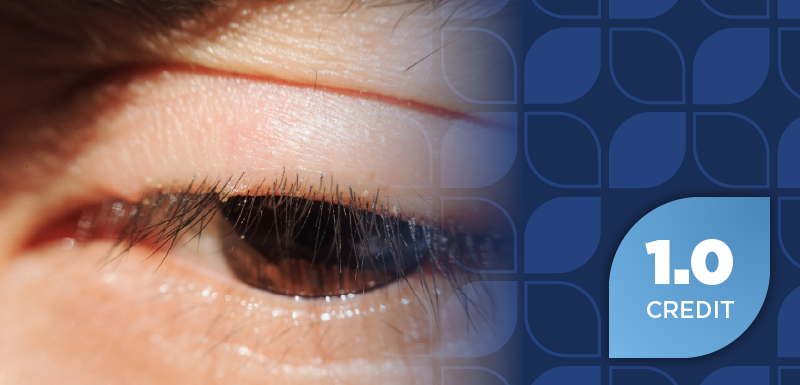
Patients with HIV-associated sensory neuropathy have a decrease in corneal nerve fiber density and an increase in corneal nerve tortuosity.

Achieving linkage to care and viral suppression among patients with HIV improves overall wellbeing and prevents new infections.
Scientist map all mutations that help HIV evolve away from PGT151.
Gel is 3 times more effective among women with Lactobacillus-dominate microbiome.
HIV-positive women had higher rates of acquiring HPV and lower rates of clearing HIV infection.

Mutated MDA5 may not recognize human rhinoviruses.
Medications that suppress viral loads aid HIV-infected men who want children.

HIV/AIDS is the number 1 killer among women of reproductive age.
Men who have sex with men had the highest number of HIV diagnoses.

Treatment de-escalation would reduce adverse events, treatment costs, and the need for virological monitoring.
Top news of the day from across the health care landscape.

The TZA test is faster, more cost-effective, and less labor-intensive than the current test for finding dormant HIV cells.

Gilead plans to file for approval of novel HIV drug in the United States and Europe this year.

HIV-positive individuals are twice as likely to die of smoking than the disease.

Scientists project combining prevention programs could avert up to 40,000 HIV infections over 20 years among injection drug users.